
Table of Contents
Why Cuenca Is One of the Best Places for a Dental Getaway
Cuenca, Ecuador, has become a top destination for travelers seeking high-quality dental care at lower prices. The city blends a modern healthcare scene with a pleasant climate, walkable historic streets, and a lively expat community. If you’re considering combining dental work with a little R&R, Cuenca’s accessibility, English-speaking practices, and many skilled clinicians make it a practical choice.
Before You Book: Practical Research Steps
Begin your planning months in advance. Good preparation reduces surprises and protects your health and wallet. Key early steps include:
- Identify the procedure you need and collect records from your home dentist (x-rays, intraoral photos, treatment history).
- Join Cuenca-focused expat/dental tourism groups on Facebook and read patient testimonials—not just clinic websites.
- Ask clinics for a written treatment plan, full cost breakdown, timelines, and warranties for crowns/implants.
- Confirm what diagnostics the clinic requires (e.g., CBCT/3D scans for implants) and whether they perform them onsite.
Choosing the Right Clinic and Dentist
Not all clinics are equal. Look beyond price and seek providers who prioritize sterilization, credentials, and clear communication. Practical tips when evaluating clinics:
- Verify local credentials: ask whether the dentist is registered with the Colegio de Odontólogos del Azuay and confirm professional certifications.
- Request recent before-and-after photos of similar cases and ask for references—a clinic that treats international patients should provide these.
- Ask about sterilization routines: autoclave cycles, single-use disposables, and infection-control protocols.
- Check whether the clinic uses modern diagnostics (digital x-rays, CBCT scans) and CAD/CAM for crowns, which reduces visits and improves accuracy.
- Confirm who will place implants or perform sedation—experienced oral surgeons and a licensed anesthetist are essential if sedation is planned.
Costs and Payment: What to Expect in Cuenca
Ecuador uses the US dollar, which simplifies comparisons. Dental costs in Cuenca are generally lower than in the U.S., Canada, or Western Europe, often by 40–70%. Typical range examples (always confirm with the clinic):
- Routine cleaning and exam: affordable, often under $50–$80.
- Crowns (porcelain): widely variable, often $250–$600 per crown depending on materials and lab.
- Single dental implant: ranges commonly between $800–$1,800 depending on implant brand, abutment, and crown.
Payment methods vary: many clinics accept credit cards, bank transfers, and cash. Always request a detailed receipt and a written warranty or guarantee policy describing what is covered and for how long (for example, porcelain crowns often have a one- to five-year remake warranty). If a price is dramatically lower than others, ask why.
Timeline and Sample Itineraries
Different procedures require different time commitments. Here are two practical itineraries to help you plan travel time and accommodation.
Short Visit: Cleanings, Fillings, Crowns (3–7 days)
- Day 1: Arrival, initial consultation and diagnostics (x-rays, impressions if needed).
- Day 2: Treatment—cleaning, fillings, or tooth preparation for crowns.
- Day 3–5: Final crowns delivered (many clinics use CAD/CAM same-day or labs that can produce crowns within 48–72 hours).
- Buffer days: leave 1–2 extra days in case adjustments are needed.
Longer Visit: Implants or Extensive Restorative Work (2–8 weeks)
- Phase 1 (1–3 days): Initial exam, CBCT scan, and implant planning.
- Phase 2 (Surgery day): Implant placement and temporary crown if appropriate; plan 24–48 hours of rest after surgery.
- Healing: Osseointegration usually takes 3–6 months. Many patients return home with temporary restorations and schedule the final crown later, or stay for a staged approach if you prefer the final restoration onsite.
- Follow-ups: schedule one or two short check-ups before departure if possible.
Where to Stay: Neighborhoods and Practical Tips
Choosing the right neighborhood can ease recovery and commuting to the clinic. Popular areas among dental travelers:
- El Centro Histórico: Steps from Parque Calderón, historic architecture, plenty of hotels and restaurants—ideal if you want to be near clinics and city life.
- San Sebastián: Trendy, slightly quieter streets with boutique guesthouses—good for rest after procedures.
- Hermano Miguel / Río Tomebamba: Close to parks and riverside walks, easy access to clinics on Av. Ordóñez Lasso or Av. Las Américas.
Book accommodation with kitchen access if you have dietary needs post-op, and aim to be within a short taxi ride of your chosen clinic. Many expats use Airbnb, smaller hotels, or long-stay options for extended healing periods.
Language, Communication, and What to Ask
Many dentists and staff speak some English, especially those who regularly treat foreigners, but don’t assume fluency. To ensure clear communication, prepare a list of questions and documents in Spanish and English:
- What brand of implant and type of crown will you use? Ask for specifics and photos of the prosthetic.
- Can you provide a written treatment plan with detailed pricing, step-by-step procedures, and timelines?
- Who will perform follow-up care if I return home early? Do you coordinate with dentists abroad?
- Ask about emergency protocols and contact numbers for after-hours care.
If you’re not comfortable in Spanish, bring a bilingual friend, hire a local translator for initial consultations, or use high-quality translation apps and have the clinic confirm important details in writing.
Safety and Sterilization: What to Insist On
Your safety comes first. Ask the clinic to explain its infection control procedures. Important red flags and positive indicators include:
- Positive: Visible autoclave with printed cycle records, disposable items for single use, staff wearing appropriate PPE, and digital records management.
- Red flags: Unwillingness to explain sterilization, poor clinic hygiene, or staff who seem untrained in basic infection control.
A responsible clinic will welcome questions and provide documentation. If a practice reacts defensively, consider it a warning sign.
Aftercare and Recovery Tips Specific to Cuenca
Cuenca sits at roughly 2,500–2,600 meters (about 8,400 feet). Altitude can affect bleeding, swelling, and how you respond to anesthesia—especially important for sedation and surgical procedures. Practical aftercare advice:
- Stay hydrated but avoid alcohol and smoking during the first 72 hours after surgery—both slow healing and increase complications.
- Expect mild swelling, which may peak 48–72 hours after surgery; pack cold packs and plan for gentle rest rather than strenuous hikes during this time.
- Carry prescribed antibiotics and analgesics; if you have a preferred pain medication, consult both your home provider and the Cuenca clinic before travel.
- Plan low-impact activities—museum visits, short riverside walks, café time—until your clinician clears you for more energetic excursions.
Combining Treatment with Sightseeing: Smart Day Trips While Recovering
Cuenca offers gentle attractions that are easy on recovery days. Consider:
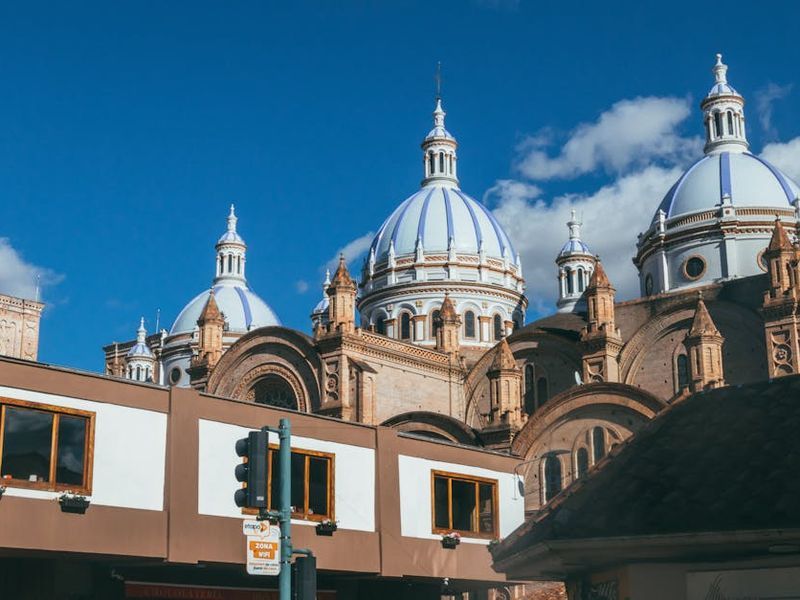
- Parque Calderón and the Cathedral area for short, flat walks and cafés.
- Museo Pumapungo and its archaeological gardens—great for slow exploration.
- The Tomebamba riverwalks and artisan markets in San Sebastián for light strolling and souvenir hunting.
- For a scenic drive, the Cajas National Park is beautiful but high-altitude and involves bumpy roads—best reserved for later in recovery.
Keep your itinerary flexible and prioritize rest immediately after invasive procedures.
Insurance, Guarantees, and What to Do If Something Goes Wrong
Before traveling, check whether your travel insurance covers medical complications from elective dental procedures. Many mainstream travel policies exclude elective treatments, so consider a supplemental medical tourism plan. Also:
- Obtain a written guarantee for prosthetics and find out the clinic’s policy on remakes and adjustments.
- Keep all receipts and treatment records to show your home dentist if any complications occur after you return.
- Ask whether the clinic coordinates with international dentists for post-op care; reputable clinics often do.
Final Checklist Before You Leave
Use this checklist to reduce surprises:
- Obtain written treatment plan, price estimate, timeline, and warranty.
- Gather your dental records and recent x-rays; provide them to the Cuenca clinic in advance.
- Check passport, flight details, and book flexible tickets when possible in case of unexpected delays.
- Pack essentials: copies of prescriptions, spare toothbrush and oral rinse, cold packs, and a small first-aid kit.
- Register your trip with your embassy or consulate and make sure your travel insurance is active and understands your planned dental procedures.
Quick Tips From Expats and Past Patients
Veteran dental travelers often share these practical nuggets:
- Book the initial consultation for the morning so you have time to discuss the plan and make changes the same day if needed.
- Ask for digital before/after photos and a copy of your chart to bring home.
- Use local pharmacies like Fybeca or SanaSana for easy access to medications if your clinic does not provide everything.
- Bring comfortable shoes and layers for Cuenca’s variable weather—easy recovery includes comfortable, stress-free movement.
Final Thoughts: Plan Carefully, Expect Quality, Enjoy Cuenca
Dental tourism in Cuenca can deliver excellent value and a pleasant travel experience if you take the time to plan carefully. Prioritize clinics that offer clear communication, modern diagnostics, transparent pricing, and robust sterilization. Allow adequate time for recovery, factor in altitude, and build a flexible travel schedule so your health is the top priority. With thoughtful preparation, you can return home with a healthier smile and fond memories of Cuenca’s charming streets, markets, and friendly community.
Ready to start? Make a list of clinics you want to contact, request written plans, and schedule your consultation—then plan a few extra days to savor the city while you heal.
Adam Elliot Altholtz serves as the Administrator & Patient Coordinator of the “Smilehealth Ecuador Dental Clinic“, along with his fellow Expats’ beloved ‘Dr. No Pain‘, right here in Cuenca, Ecuador, and for purposes of discussing all your Dental needs and questions, is available virtually 24/7 on all 365 days of the year, including holidays. Adam proudly responds to ALL Expat patients from at least 7:00am to 9:00pm Ecuador time, again every single day of the year (and once more even on holidays), when you write to him by email at info@smilehealthecuador.com and also by inquiry submitted on the Dental Clinic’s fully detailed website of www.smilehealthecuador.com for you to visit any time, by day or night. Plus, you can reach Adam directly by WhatsApp at +593 98 392 9606 -or by his US phone number of 1‐(941)‐227‐0114, and the Dental Clinic’s Ecuador phone number for local Expats residing in Cuenca is 07‐410‐8745. ALWAYS, you will receive your full Dental Service in English (NEVER in Spanish), per you as an Expat either living in or desiring to visit Cuenca by your Dental Vacation, plus also to enjoy all of Ecuador’s wonders that are just waiting for you to come arouse and delight your senses.