
Table of Contents
Why Cuenca Is a Smart Choice for Dental Care
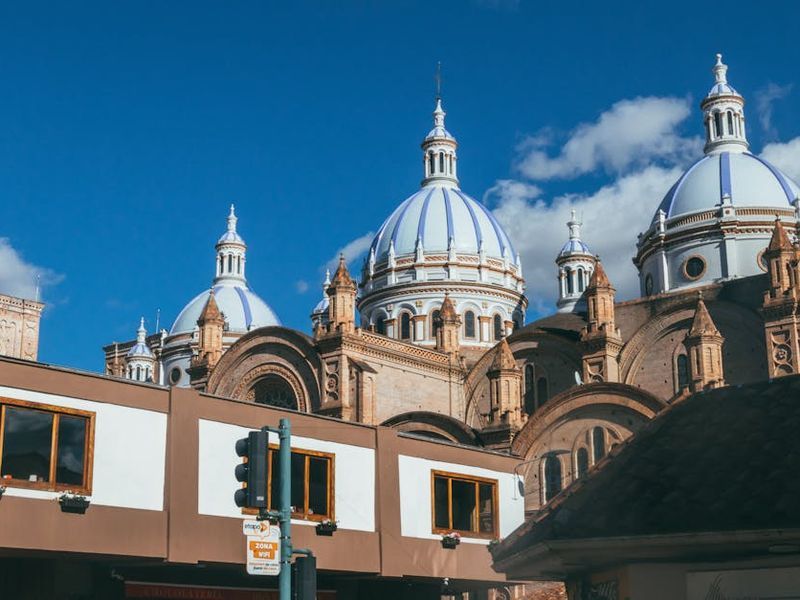
Cuenca, Ecuador blends colonial charm with quality medical services, making it one of South Americas most popular dental tourism destinations. At about 2,560 meters (8,400 feet) above sea level, this UNESCO World Heritage city offers experienced clinicians, modern clinics, and prices often lower than in North America or Europe. But a good dental vacation demands planning—this guide walks you through practical steps to keep your trip safe, comfortable, and successful.
Decide What Treatment You Need and Your Timeline
Start by determining the dental procedures you require: routine cleaning, crowns, veneers, root canals, extractions, implants, or full-arch work. Each treatment has a different timeline. Simple treatments like cleanings or fillings can be done in a day or two, while implants or complex restorative work may require multiple visits spaced weeks or months apart.
Practical tip: Request a preliminary consultation with your home dentist and Cuenca clinic. Send recent X-rays and photographs so the Cuenca team can estimate how many visits and how much healing time youll need. Allow time for acclimatization to elevation and recovery—plan 23 days before major procedures and at least a week or more afterward for dental implants or surgical extractions.
How to Find a Reliable Clinic in Cuenca
Research is the foundation of a safe dental trip. Use multiple sources: clinic websites, Google reviews, expat forums, Facebook groups dedicated to Cuenca expats, and dental tourism platforms. Look for clinics that offer:
- Clear before-and-after photos and treatment case studies
- English-speaking staff or translators
- Digital imaging (panoramic X-ray or CBCT) and digital impressions
- Transparent pricing and written treatment plans
- Sterilization protocols and clinical accreditations
Ask the clinic for the dentists credentials and membership in professional bodies such as the Colegio Odontolgico local chapter. A reputable clinic will gladly provide license numbers, continuing education credentials, and references.
Costs and Whats Included
Cuenca offers cost advantages, but prices vary by material, brand, and technique. Typical ranges (USD) you might expect:
- Cleaning and exam: $25$80
- Composite filling: $40$150
- Porcelain crown: $300$700
- Single dental implant (including crown): $800$2,000
- All-on-4 style prosthesis: varies widely, get itemized quotes
Always ask whether the quote includes consultations, imaging, temporary restorations, lab fees, follow-ups, and any required medications. Ask for brand names of implants and prosthetic materials if that matters to you, and whether the clinic uses in-house CAD/CAM milling or local dental labs.
Travel Logistics: Getting There and Getting Around
Cuenca is served by Mariscal Lamar International Airport (CUE), a short drive from the city center. International visitors often arrive via Quito or Guayaquil with connecting flights. From the airport, taxis or hotel-arranged transfers are fast and inexpensive—confirm the fare or use your hotels shuttle service for peace of mind.
Within the city, the historic center around Parque Caldern is compact and walkable. If your clinic is in the Old Town, staying nearby keeps stress and travel time to a minimum. Local taxis are abundant and safe; ask your hotel to call one for you, or use a trusted local app if available. Public buses are cheap but can be crowded and less convenient after dental treatment.
Where to Stay for Comfort and Recovery
Choose accommodation that prioritizes comfort during recovery: a quiet room, a comfortable bed, reliable hot water, and proximity to your clinic. Many visitors prefer 34 star hotels or furnished apartments in the city center for easy access to restaurants, pharmacies, and clinics. If you anticipate multiple appointments, a longer-stay apartment with a kitchen can be more economical and comfortable for dietary needs during healing.
Consider these conveniences when booking: laundry services, grocery delivery, and English-speaking staff. Ask the hotel about local medical facilities and how to contact them in an emergency.
Medication, Aftercare, and Local Pharmacies
Clinics typically prescribe antibiotics, analgesics, and anti-inflammatories when needed. Ecuadorian pharmacies are well stocked with common medications, but bring a small supply of any essential prescriptions with original containers, and a doctors note listing active ingredients. Pain management options commonly include ibuprofen and acetaminophen; stronger narcotics may be available but request them only when necessary.
Aftercare tips: avoid hot beverages and alcohol for 4872 hours after oral surgery, follow dietary recommendations (soft foods, high-protein broths), and maintain oral hygiene with gentle rinses as directed. Ask your dentist about follow-ups—many clinics offer telemedicine check-ins for international patients.
Safety and Clinic Standards
Safety matters as much as price. Confirm the clinics sterilization procedures: autoclaves, single-use disposables, and routine infection-control audits. Modern clinics will use digital recordkeeping and be willing to show you sterilization logs or certifications on request. If sedation is planned, ensure the clinic has monitoring equipment, emergency protocols, and a nearby hospital they can coordinate with.
Tip: Ask the dental office how they handle complications and whether they will refer you to a local hospital if needed. Major hospitals in Cuenca can manage medical emergencies; request contact details to have on hand.
Communication and Language Tips
Many Cuenca dental clinics serve international clients and offer English-speaking staff. Still, learn a few Spanish phrases related to dental care, or bring a translator app. Prepare a short document in Spanish summarizing your medical history, allergies, and medications—your clinic will appreciate the clarity and it speeds the intake process.
Payments, Warranties, and Treating Aftercare Abroad
Clarify payment terms early: deposit amount, final payment due, accepted payment methods (cash in USD, card, bank transfer), and refund policy if plans change. Ecuador uses the US dollar, so you wont need currency exchange if youre coming from the United States, but notify your bank if you plan to use cards abroad.
Ask about warranties on work and what post-op complications are covered. A responsible clinic will provide written guarantees for crowns and prosthetics, explain maintenance requirements, and offer a clear plan for follow-up visits or remote support once you return home.
Comparing Clinics vs. Dental Tourism Agencies
You can arrange treatment directly with clinics or through dental tourism facilitators who coordinate multiple clinics, lodging, flight arrangements, and translators. Agencies can simplify logistics but add fees and create an extra layer between you and the clinician. If you use an agency, verify their reputation independently and ensure you still have direct access to the dentist who will do the work.
Packing List and Practical Considerations
- Copy of dental records, X-rays, and a summary of medical history
- List of current medications and allergies
- Comfortable clothing and layers for Cuencas cool evenings
- Basic over-the-counter pain relievers and any personal prescriptions
- Portable phone charger and plug adapter (Ecuador uses 120V, Type A/B plugs)
- Travel insurance that covers medical complications, and a copy of your policy
Sample Itineraries by Treatment Type
Simple Procedures (13 days)
Day 1: Arrival and acclimatization. Light activity, rest.
Day 2: Clinic consultation, digital imaging, treatment (filling or cleaning).
Day 3: Follow-up or departure.
Complex Restorative Work (714 days)
Day 13: Arrival and rest.
Day 4: Initial consultation, impressions, and extractions if required.
Day 68: Implant placement or other surgical procedures. Rest and recovery locally.
Day 1014: Final prosthetic placement or first-phase crowns, with final checks before travel home. Note: some implant protocols require months between surgery and final crowns.
What If Complications Arise After You Return Home?
Plan for follow-up: obtain a detailed treatment summary, including materials used, images, and procedural notes to share with your local dentist. If complications occur, your home dentist will need that information for diagnosis and treatment. Consider clinics that offer international follow-up options, such as remote consultations or a partner network in your home country.
Making the Most of Your Stay in Cuenca
Cuenca is worth exploring between appointments. Stroll the cobblestone streets of the historic center, visit local markets like Mercado 10 de Agosto for fresh fruit and traditional snacks, or take a short taxi ride to nearby parks. Keep activities low-impact after dental surgery—enjoy museums, coffee shops, and gentle river walks along the Tomebamba rather than strenuous hikes until your dentist clears you.
Final Checklist Before Booking
- Get at least two independent quotes and compare itemized pricing
- Verify the dentists license and clinic accreditations
- Confirm sedation and emergency protocols
- Arrange comfortable lodging close to your clinic
- Pack medical records, prescriptions, and travel insurance
- Plan for sufficient recovery time and local support
Conclusion: Balance Savings with Safety
Dental care in Cuenca can deliver excellent value and results, but the key is preparation. Prioritize communication with your chosen clinic, validate credentials, plan realistic timelines for recovery, and keep safety as your top criterion—not only price. With thoughtful planning, your dental vacation to Cuenca can be an efficient, safe, and even enjoyable way to restore your smile while enjoying one of Ecuadors most beautiful cities.
Adam Elliot Altholtz serves as the Administrator & Patient Coordinator of the “Smilehealth Ecuador Dental Clinic“, along with his fellow Expats’ beloved ‘Dr. No Pain‘, right here in Cuenca, Ecuador, and for purposes of discussing all your Dental needs and questions, is available virtually 24/7 on all 365 days of the year, including holidays. Adam proudly responds to ALL Expat patients from at least 7:00am to 9:00pm Ecuador time, again every single day of the year (and once more even on holidays), when you write to him by email at info@smilehealthecuador.com and also by inquiry submitted on the Dental Clinic’s fully detailed website of www.smilehealthecuador.com for you to visit any time, by day or night. Plus, you can reach Adam directly by WhatsApp at +593 98 392 9606 -or by his US phone number of 1‐(941)‐227‐0114, and the Dental Clinic’s Ecuador phone number for local Expats residing in Cuenca is 07‐410‐8745. ALWAYS, you will receive your full Dental Service in English (NEVER in Spanish), per you as an Expat either living in or desiring to visit Cuenca by your Dental Vacation, plus also to enjoy all of Ecuador’s wonders that are just waiting for you to come arouse and delight your senses.