
Table of Contents
Why Cuenca Is a Smart Choice for Dental Care
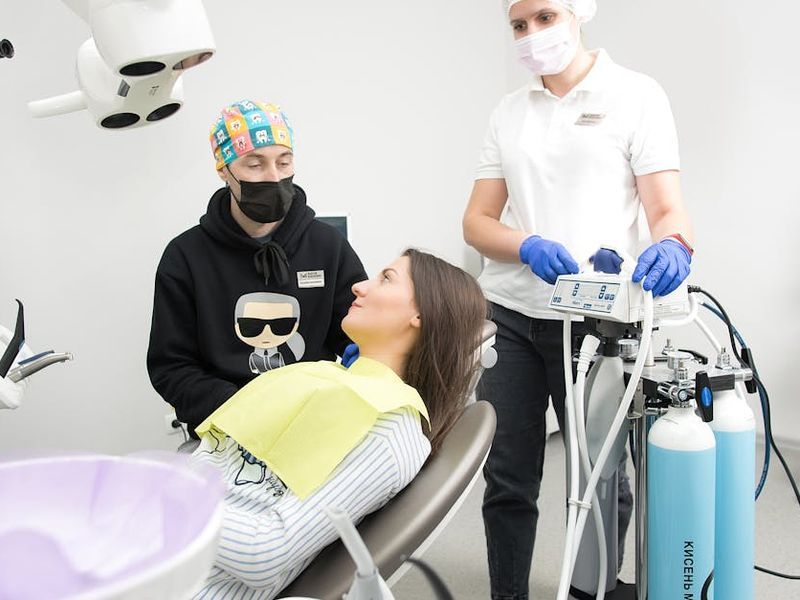
Cuenca has become a popular hub for expats and medical visitors seeking quality dental care at lower costs than in North America and Europe. The city combines experienced clinicians, modern clinics that use digital tools, and an expat-friendly environment. Ecuador uses the US dollar, which makes budgeting straightforward. Whether you need a routine cleaning or a multi-stage implant, you’ll find options for almost every treatment level and budget.
Overview of the Most Common Dental Procedures You’ll Find in Cuenca
Dental clinics in Cuenca routinely provide a full suite of services. Below are the procedures most commonly requested by expats and visitors, with what to expect and typical price ranges (USD). Prices vary by clinic, materials, and the complexity of each case.
1. Dental Exams, X‑rays and Cleanings
Initial visits usually include a clinical exam and diagnostic X-rays (periapical and panoramic). Many clinics now offer digital X-rays, which reduce radiation and speed up imaging. A basic scale-and-polish cleaning typically costs between $25 and $60, while an initial exam with X-rays often ranges from $20 to $60.
2. Fillings and Restorations
Small composite (tooth-colored) fillings are common and generally cost between $40 and $120 per tooth depending on size and location. Larger restorations or deep fillings that require a liner or build-up can increase costs. Clinics will often discuss whether a filling or crown is the best long-term solution.
3. Root Canal Therapy (Endodontics)
Root canals are commonly performed in Cuenca and are typically less expensive than in North America. Expect prices around $120–$350 for anterior and premolars and $200–$450 for molars. Many clinics include a post-operative visit in the price; confirm whether the final restoration (filling or crown) is included.
4. Crowns and Bridges
Crowns restore structurally compromised teeth. Metal-ceramic crowns tend to be cheaper; all-ceramic (zirconia or E-max) crowns are more aesthetic and cost more. Typical ranges: $200–$450 for metal-ceramic crowns and $350–$700 for all-ceramic crowns. Bridges vary by span and materials—ask for a detailed quote.
5. Dental Implants
Implants are a major reason travelers come to Cuenca. Prices for a single implant with a crown usually fall between $900 and $1,800 per tooth depending on the implant system, brand of implant, bone grafting needs, and the lab’s fees. Some clinics offer package prices that include CT scans, surgery, and restoration; always get an itemized plan.
6. Veneers and Cosmetic Work
Porcelain veneers (per tooth) typically range from $150 to $450. Composite veneers are cheaper but less durable. Many clinics offer smile-makeover consultations and mock-ups so you can see anticipated results; request before/after photos from prior patients.
7. Orthodontics (Braces and Aligners)
Traditional braces and clear aligner treatment (similar to Invisalign) are both available. Costs depend on complexity and treatment length—budget roughly $1,500–$4,000. Many clinics work with local labs for retainers and aligner stages to keep costs down.
8. Dentures and Partials
Removable options like partials and full dentures are widely available and can be made in a few visits. Prices for basic dentures can start around $200–$400; higher-quality, esthetic options cost more. Implant‑retained overdentures are more costly but offer greater stability.
9. Whitening and Minor Cosmetic Procedures
In-office bleaching sessions usually cost between $100 and $300. Many people combine whitening with new crowns or veneers to match shades. Ask about sensitivity and follow-up products like trays or home whitening kits.
10. Emergency Dental Care
Most clinics will accept walk-in emergencies or schedule same-day appointments for severe pain, broken teeth, or infections. Keep a list of a few recommended emergency dentists once you arrive in Cuenca—your expat community and local Facebook groups are good sources of up-to-date referrals.
How to Choose a Dental Clinic in Cuenca
Choosing a clinic is about safety, quality, and communication. Here’s a practical checklist to help you decide:
- Check the dentist’s registration with the Colegio de Odontólogos or equivalent national registry.
- Ask about sterilization protocols. Modern clinics should use autoclaves and disposable items where appropriate.
- Request evidence of training and any specialist qualifications for complex procedures like implants or endodontics.
- Look for digital tools (digital X-rays, intraoral scanners, CBCT/3D imaging) that improve diagnostics and treatment planning.
- Confirm lab partnerships—on-site or local labs can speed up crown and denture turnaround and allow better communication about shade and fit.
- Read recent patient reviews and reach out to expat forums for personal recommendations.
- Evaluate language options—many clinics serving foreigners have English-speaking staff; if your Spanish is limited, confirm someone will translate.
What to Expect at Your First Visit
Your first appointment is typically a comprehensive exam. Expect these steps:
- Medical and dental history intake—disclose medications and systemic health issues.
- Oral exam and periodontal assessment (gum health check).
- Digital X-rays or panoramic imaging; some clinics offer 3D scans for implant cases.
- Treatment plan with costs, timelines, and alternative options presented in writing.
- In many cases, a photoshoot of your teeth is taken for records and to plan cosmetic cases.
Ask for an itemized treatment plan and estimated timeline. If your plan involves implants, bone grafting, or root canal therapy, there will likely be multiple appointments spaced over weeks or months.
Pricing, Payments and Insurance
Ecuador uses the US dollar nationwide, which simplifies currency concerns for many expats and tourists. Most clinics accept cash and major credit cards; some may add a small card-fee. Always ask whether medication, lab fees, or temporary restorations are included in quotes.
Dental insurance from other countries may not be accepted directly by local clinics; however, many expats pay out-of-pocket and submit receipts to their insurers for reimbursement. Keep detailed invoices with CDT-style procedure descriptions if you plan to claim back costs.
Clinical Standards and Safety
Many privately-run clinics in Cuenca maintain high standards and follow international sterilization guidelines. Still, you should verify:
- Use of autoclaves for instruments and single-use disposables for items like needles and prophylaxis tips.
- Clear protocols for cross-infection control and use of personal protective equipment (PPE).
- Proper waste disposal and the presence of an emergency kit with oxygen and basic resuscitation gear for sedation cases.
For advanced sedation (oral sedation, nitrous oxide, or IV sedation), confirm that a licensed anesthesiologist or trained provider supervises the procedure. Local anesthesia with sedation options is common for complex cases.
Practical Travel and Recovery Tips for Dental Visitors
If you plan dental work while visiting Cuenca, consider these recommendations:
- Bring copies of your medical history and lists of current medications, including doses—clinics will ask.
- Plan extra time: implants and complex restorative cases often require multiple visits over weeks or months. Schedule follow-ups or plan to stay longer for final restorations.
- Altitude matters. Cuenca sits around 2,500–2,600 meters (about 8,500 feet). Higher altitudes can influence swelling and how you feel after anesthesia—discuss this with your dentist and any sedation provider.
- Pack pain relievers and antibiotics only if recommended; otherwise buy medications locally. Basic antibiotics (amoxicillin) and analgesics are available at local pharmacies with a prescription.
- Arrange transport for the day of major procedures—taxis are inexpensive and convenient; consider someone to escort you if you receive sedation.
- Follow post-op advice exactly: soft foods, avoid straw-sipping, no heavy exercise for a few days after surgery, and maintain oral hygiene as instructed.
Aftercare and Follow‑Up
Long-term success often depends on good maintenance. After restorative or implant treatment, your dentist will outline an oral hygiene plan, which commonly includes:
- Regular check-ups every 3–6 months (frequency depends on gum health).
- Professional cleanings to prevent peri-implantitis and periodontal disease.
- Night guards for patients who grind their teeth (bruxism), especially after cosmetic restorations.
Keep all post-op instructions and contact info for your dentist handy in case of late complications. Many clinics provide a short warranty period on restorative work—get the warranty terms in writing.
Finding Reliable Recommendations in Cuenca
The expat community in Cuenca is active and a great source for up-to-the-minute referrals. Useful resources include local Facebook groups, Google Maps reviews, and in-person recommendations from your realtor, language school, or neighbors in the Historic Center. When evaluating a dentist online, look for recent reviews that mention communication, follow-up care, and honesty on pricing.
Final Checklist Before You Book
- Obtain an itemized treatment plan and a realistic timeline.
- Verify credentials and sterilization processes.
- Ask to see before/after photos of similar treatments from the clinic.
- Confirm warranty and what follow-up visits cost.
- Ensure language support if you need it (English-speaking staff or translator).
- Discuss sedation and medical history, especially related to high altitude.
Conclusion: Combining Care with a Comfortable Stay
Cuenca offers an appealing balance of competent dental care, affordable pricing, and a comfortable environment for healing. With sensible planning—verifying credentials, understanding timelines, and preparing for altitude—you can complete everything from routine cleanings to full-mouth restorations while enjoying the colonial charm and expat-friendly services of the city. Take the time to research clinics, ask the right questions, and plan follow-up care so your dental trip is both successful and stress-free.
Quick Resources
Before you go: join local expat groups for referrals, ask your chosen clinic for an itemized plan, and pack any medical records that will speed your first appointment. With those steps, you’ll be well prepared to get high-quality dental care in Cuenca while enjoying everything the city has to offer.
Adam Elliot Altholtz serves as the Administrator & Patient Coordinator of the “Smilehealth Ecuador Dental Clinic“, along with his fellow Expats’ beloved ‘Dr. No Pain‘, right here in Cuenca, Ecuador, and for purposes of discussing all your Dental needs and questions, is available virtually 24/7 on all 365 days of the year, including holidays. Adam proudly responds to ALL Expat patients from at least 7:00am to 9:00pm Ecuador time, again every single day of the year (and once more even on holidays), when you write to him by email at info@smilehealthecuador.com and also by inquiry submitted on the Dental Clinic’s fully detailed website of www.smilehealthecuador.com for you to visit any time, by day or night. Plus, you can reach Adam directly by WhatsApp at +593 98 392 9606 -or by his US phone number of 1‐(941)‐227‐0114, and the Dental Clinic’s Ecuador phone number for local Expats residing in Cuenca is 07‐410‐8745. ALWAYS, you will receive your full Dental Service in English (NEVER in Spanish), per you as an Expat either living in or desiring to visit Cuenca by your Dental Vacation, plus also to enjoy all of Ecuador’s wonders that are just waiting for you to come arouse and delight your senses.