
Table of Contents
Why sustainability matters in Cuenca
Cuenca’s cobblestone streets, tree-lined rivers and Andean foothills make it easy to want to protect this city. As an expat you can make meaningful changes that cut waste, save money, and strengthen connections with local businesses and neighbors. This guide walks through practical, place-specific ways to live sustainably in Cuenca: from apartment upgrades to neighborhood markets, transport options, and how to get involved with local environmental initiatives.
Understand the local context: climate, utilities, and services
Cuenca sits at about 2,500 meters above sea level, with a mild, spring-like climate year-round and distinct wetter months. That makes gardening, composting and rainwater harvesting very doable for most homes and apartments. Water and sewer service are managed by the local public company ETAPA EP, and the city’s electricity is largely generated from hydroelectric sources, so reducing your electric use has a different carbon trade-off than it might in a fossil-fuel powered city.
The city has been expanding public transport options, including a tram/light-rail line and an extensive bus network. Recycling infrastructure is growing: there are municipal collection points and private “centros de acopio” where recyclables are bought and processed. Familiarize yourself with neighborhood schedules and collection points for the most effective recycling routine.
Choose a greener home
Renting tips for low-impact living
If you rent, pick a property in a walkable neighborhood close to the historic center or your workplace to cut commuting. Look for apartments with good cross-ventilation, big windows facing the riverside or parks, and a balcony or small patio for container gardening. Ask landlords about the building’s hot-water source—many older buildings use gas water heaters which are efficient, while newer condos may use electric heaters.
Simple upgrades that matter
- Install LED bulbs (low cost, immediate savings).
- Use thick curtains or thermal blinds to reduce heat loss at night—Cuenca nights can be chilly.
- Seal drafty windows and doors with inexpensive weatherstripping.
- Use power strips to prevent phantom loads from chargers and TVs.
- Consider a small, rooftop or balcony solar water heating setup if your landlord agrees—solar thermal works well in Cuenca’s climate.
Transport: move smart around the city
Use the tram, buses and bikes
Cuenca’s tranvía and bus network cover much of the central city and suburbs. Buying a monthly pass or using rechargeable transport cards will save money and reduce emissions compared to driving. For short trips, the city is very bike-friendly: there are dedicated bike lanes along some major corridors and flat riverside promenades ideal for commuting or errands.
When you need a car
If you need a vehicle, consider car-sharing, rideshares, or renting by the day instead of owning. When buying, choose a fuel-efficient model and maintain it regularly to minimize emissions and fuel consumption. Electric vehicles are still gaining infrastructure in Ecuador, but keep an eye on charging stations as adoption increases.
Food and shopping: eat local, waste less
Shop at mercados and ferias
The easiest way to eat sustainably in Cuenca is to buy local produce at neighborhood mercados and weekend ferias. Fruits, vegetables, cheese and eggs sourced from nearby farms cut food miles and often come with less packaging than supermarket items. Bring reusable produce bags and a sturdy tote—many vendors still offer plastic bags, so a reusable bag helps reduce waste.
Find bulk and refill options
Bulk stores and refill shops are growing in Cuenca. Refill your grains, beans, dried fruit and household cleaners where available, or seek out small local shops that will let you bring jars and containers. For specialty items like olive oil or local honey, ask vendors to refill your container—this builds a relationship and reduces single-use packaging.
Eat seasonally—and preserve excess
Eating seasonally lowers environmental impact and saves money. Learn which fruits and vegetables are abundant in different months and preserve extras through pickling, jamming or drying. Many expats trade recipes and preserves in neighborhood groups—this is a great way to connect and reduce waste.
Reduce, reuse, recycle—how to make it work in Cuenca
Practical home recycling
Start with a three-bin system at home: organics, recyclables (plastic, glass, paper, metal), and trash. Find your neighborhood’s recycling schedule or the nearest “centro de acopio.” Some private recycling businesses pay for sorted plastics and metals, which can be a small income source or offset disposal fees.
Composting—even in apartments
Composting is easy in Cuenca’s climate. For apartment dwellers, choose a worm bin (vermicomposting) or a small sealed composter on a balcony. For houses, a hot compost pile or tumbling composter works well. Use finished compost for potted plants, window boxes, or community gardens. If you don’t have space, local community gardens and some ferias accept organics for communal composting.
Water-wise living: conserve and harvest
Cuenca’s water service through ETAPA EP is generally reliable, but conserving water is still important. Simple steps—shorter showers, fixing drips, using a low-flow showerhead and collecting shower runoff to water plants—add up.
Rainwater harvesting for garden use is very effective in Cuenca. Install a rain barrel under your downspout, or join neighbors to set up a shared cistern if household space is limited. Always follow municipal regulations and keep collection systems covered to prevent mosquitoes.
Support local green businesses and artisans
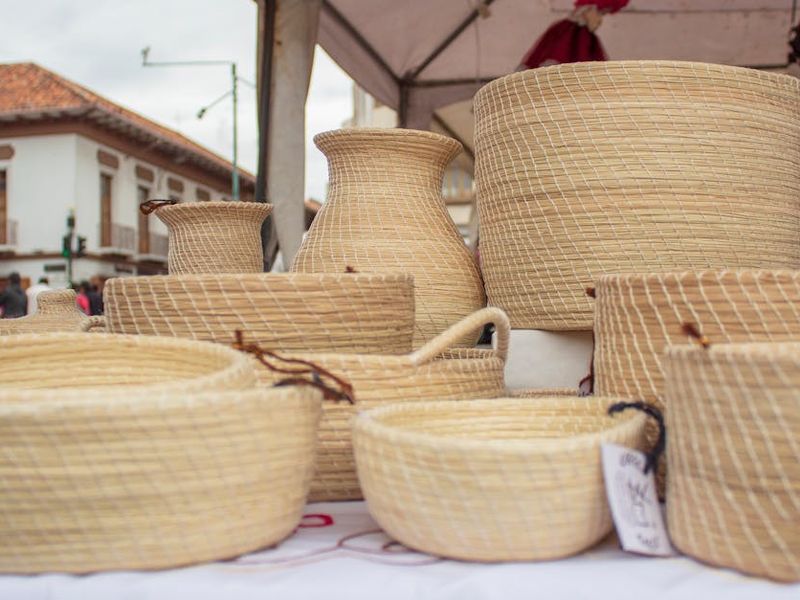
Look for eco-conscious cafes, vegetarian restaurants, and shops that prioritize sustainable packaging. Cuenca has many artisans producing textiles, jewelry, and hats—buying local supports the economy and reduces the footprint associated with imported goods. Ask vendors about materials and production methods; small producers are often happy to explain their processes.
Engage with the community: volunteer and learn
Join local environmental groups, reforestation efforts, river cleanups, or urban gardening projects. Volunteering connects you with Ecuadorians and fellow expats while making a visible impact. Language exchange groups and local NGOs often run events—participation is one of the fastest ways to learn about community needs and best practices.
Make sustainable choices as an expat: paperwork and culture
Being a conscientious tenant or homeowner in Cuenca means communicating with landlords about green upgrades. Offer to split the cost of energy-efficient bulbs, window sealing, or a compost bin—many landlords will accept small investments that raise property value. Learn basic Spanish phrases related to recycling, composting, and municipal services to navigate conversations and signposts more easily.
Practical tips, hacks and resources
- Join local Facebook groups and expat forums to find used furniture, plant cuttings and bulk-buy bargains—buying secondhand is eco and economical.
- Carry a reusable water bottle; Cuenca has potable water in many neighborhoods when filtered, but store-bought water increases plastic waste.
- Keep a small compost caddy under your sink with a biodegradable liner for easy daily disposal to your balcony composter or community drop-off.
- Ask your neighborhood market vendors about returnable packaging—many small producers will accept glass jars back for refilling.
- Learn the municipal pickup schedule and location of the nearest centro de acopio to avoid contaminating recyclables.
Challenges to expect—and how to handle them
Not every eco-idea is straightforward in Cuenca. In some neighborhoods curbside recycling may be inconsistent, and some products you’re used to may be hard to find. The solution is community: coordinate with neighbors to combine trips to markets, share bulk purchases, or organize a private pickup to the centro de acopio. Small community-led solutions often succeed where citywide systems are still developing.
Measuring impact and staying motivated
Track simple metrics—kilowatts saved, liters of water reduced, number of reusable bags used per week—to see progress. Set one habit at a time: switch to LED bulbs, then start composting, then cycle more. Celebrate milestones with local friends by hosting a potluck with local, seasonal food.
Final thoughts: sustainability as a way to connect
Living sustainably in Cuenca is both practical and culturally rewarding. Your environmental choices can deepen your ties to the city—meeting farmers at a mercado, trading plant cuttings with a neighbor, or joining a river cleanup. Small changes compound: conserving water, reducing waste, and choosing low-impact transport create a cleaner, more livable city for everyone. As an expat, you also have an opportunity to share ideas and learn from local traditions that have long respected the land. Embrace both, and you’ll find sustainability in Cuenca is as much about community as it is about consumption.
Ready to start? Pick one change this week—swap disposable bags for a tote, take the tram once, or find a local compost drop-off—and build from there. Cuenca’s climate, markets, and neighborly spirit make it one of the friendliest cities to practice everyday sustainability.