
Table of Contents
Why Ingapirca Should Be on Your Cuenca Itinerary
Ingapirca is Ecuador’s most important archaeological complex outside of Quito and a fascinating stop for anyone based in Cuenca. Perched in the highlands of Cañar province, the site showcases the meeting of Cañari traditions and Inca architecture — most famously the elliptical Temple of the Sun. A trip to Ingapirca delivers open Andean panoramas, well-preserved masonry and a tangible sense of history without the long journey to the northern highlands.
Getting There from Cuenca: Options, Times and Tips
Reaching Ingapirca from Cuenca is straightforward and popular as a half-day or full-day excursion. The drive is scenic, with winding highland roads and a few small towns to pass through. Expect a travel time of about 1.5–2 hours each way depending on traffic and weather.
Public Bus and Colectivo
If you’re traveling independently, start at Cuenca’s Terminal Terrestre where buses depart toward Cañar and Ingapirca. You may need to change in a larger town like Cañar or Azogues; from there small colectivos or microbuses run to the site and the nearby town of Ingapirca. This is the most budget-friendly approach, but schedules can be infrequent—ask at the terminal or your hotel the evening before to confirm departure times.
Private Transport and Day Tours
For convenience and context, many visitors opt for a guided day tour from Cuenca. Tours include round-trip transport, entrance fees and a bilingual guide — a helpful choice if you want historical interpretation without the logistics. Private drivers or taxis are available as well if you prefer a flexible schedule; negotiate a round-trip fare or hourly rate in advance.
What to Expect at the Ruins
Ingapirca’s most famous structure, the Temple of the Sun, stands out because of its exquisite stonework and elliptical shape — unusual for the Inca. The complex also contains terraced agricultural platforms, foundations of pre-Inca Cañari structures, and an on-site museum with artifacts and explanatory panels. The layout invites a slow exploration, and many visitors spend 1.5–3 hours walking the trails and enjoying the views.
Highlights Within the Site
- Temple of the Sun: Carefully fitted volcanic stone blocks and an elliptical plan that likely had ceremonial and astronomical uses.
- Terraces and Agricultural Remains: Evidence of sophisticated pre-Hispanic farming techniques adapted to the highlands.
- On-site Museum and Interpretive Center: Displays that explain Cañari and Inca history, plus pottery and tools recovered from the site.
- Panoramic Viewpoints: Rolling Andean landscapes that are excellent for photography and short nature stops.
Practical Visitor Information
Before you go, be prepared: the highland climate is variable, services on-site are limited, and the ruins are spread out across uneven terrain. The entrance area typically has ticket offices and restrooms, and small stalls sell snacks and drinks, but bring water and snacks if you want to spend a long time exploring.
Opening Hours, Tickets and Money
Opening hours can change seasonally, and the on-site staff may prefer cash for entrance fees and small purchases. Bring enough cash in small bills for tickets, guides, souvenirs and a snack. Check the latest hours with your hotel or the Cuenca tourist office the day before your visit.
Accessibility and Terrain
The site sits at higher altitude than Cuenca, and paths include stone steps, uneven flagstones and steep sections. Visitors with mobility concerns should plan accordingly — many areas are not wheelchair accessible. Sturdy walking shoes and a comfortable pace are strongly recommended.
Best Time to Visit and Weather Considerations
Andean weather is famously changeable. Mornings are often crisp and clear, while afternoons bring a higher chance of cloud and rain, especially during the wet season (approximately December–May). For the best light and fewer crowds, aim for an early morning arrival. Weekends and Ecuadorian holidays attract more local families, so midweek can be quieter.
Seasonal Tips
- Dry season (June–November): Cooler and sunnier days, ideal for hiking and photography.
- Wet season (December–May): Lush landscapes but afternoon showers; pack a lightweight rain jacket.
Cultural Context and Responsible Travel
Ingapirca is a site of cultural importance to local communities and a vivid example of the Cañari-Inca encounter. When you visit, be respectful: stay on designated paths, don’t move stones or touch exposed carvings, and follow any guidance from site staff or your guide. Purchasing local handicrafts or eating locally-run restaurants helps support surrounding communities.
Photography, Drones and Conservation
Photography for personal use is common, but drone use is often restricted to protect the site and wildlife — check local rules and obtain permission if necessary. Always follow posted signs, and don’t leave rubbish behind. Small actions help preserve Ingapirca for future generations.
Guided Tours vs. Independent Visits: What’s Right for You?
If you love context and storytelling, a guided tour adds depth: guides point out subtle architectural details and explain Cañari and Inca rituals. Independent visitors who enjoy flexibility can explore at their own pace but should read up on the site beforehand so they can appreciate the archaeological clues.
Suggested Visit Length
- Short visit: 1–1.5 hours — a focused look at the Temple of the Sun and the main viewpoints.
- Standard visit: 2–3 hours — allows time for the museum, terraces, and a relaxed walk with photography stops.
- Extended exploration: Half-day — include lunch in the town of Ingapirca or visit nearby villages to meet artisans and see local life.
Combining Ingapirca with Other Cuenca-Area Attractions
A day trip to Ingapirca pairs well with several nearby options. If you start early, you can return to Cuenca for an afternoon museum visit or a stroll along the Tomebamba River. Consider combining Ingapirca with:
- Pumapungo Museum in Cuenca — excellent background on regional archaeology and colonial history.
- Cañar or Azogues — small towns with markets and artisan shops worth a quick stop.
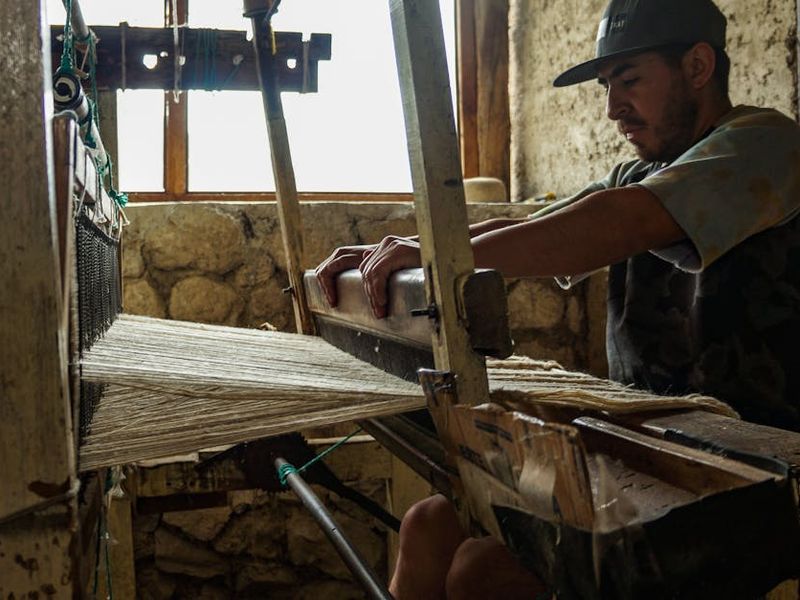
- Local craft workshops — many communities around Cañar keep textile and pottery traditions alive.
Food, Rest Stops and What to Pack
There are modest restaurants in the town near the ruins where you can try regional dishes; many menus include soups, grilled meats, and traditional Andean fare. If you plan to hike or linger on the site, bring water, snacks, sunscreen and layers.
Packing Checklist
- Layers (temperatures can swing quickly)
- Water bottle and light snacks
- Sturdy walking shoes with grip
- Sun protection: hat, sunglasses, sunscreen
- Rain jacket or lightweight poncho (especially in rainy season)
- Cash in small denominations
- Camera with extra battery or power bank
Safety, Health and Altitude Considerations
Ingapirca sits at a higher altitude than Cuenca, so give yourself a gentle pace if you’re sensitive to altitude change. Stay hydrated, eat something before physical activity and avoid heavy alcohol consumption the night before. If you take prescription medication for altitude or other conditions, carry it with you and inform companions of any health issues.
Sample Itinerary: A Relaxed Day Trip from Cuenca
Here’s a practical timeline for a comfortable day trip that maximizes your time at Ingapirca without rushing:
- 7:30 AM — Depart Cuenca (private driver or tour) to beat the crowds.
- 9:00–9:30 AM — Arrive at Ingapirca, purchase tickets and start at the interpretive center.
- 9:45–11:30 AM — Explore terraces, the Temple of the Sun and viewpoints; take photos while the light is good.
- 11:30 AM–12:30 PM — Visit the museum and have an early lunch in the nearby town of Ingapirca.
- 1:00–2:30 PM — Optional stop in a nearby town or head back to Cuenca, arriving mid- to late-afternoon.
Final Thoughts: More Than a Photo Stop
Visiting Ingapirca is a chance to step into a layered past while enjoying the raw beauty of the southern Andes. Whether you come to admire the engineering of the Temple of the Sun, to learn about Cañari-Inca cultural exchange, or simply to take in the highland views, a thoughtful visit will leave you with a deeper appreciation for Ecuador’s diverse heritage. Plan ahead, respect the site, and let the countryside slow your pace — the best memories come when you have time to look closely.
From Cuenca, Ingapirca is both accessible and rewarding: an archaeological highlight that can be enjoyed on a well-planned day trip or a relaxed multi-stop excursion through the Cañar highlands.
Adam Elliot Altholtz serves as the Administrator & Patient Coordinator of the “Smilehealth Ecuador Dental Clinic“, along with his fellow Expats’ beloved ‘Dr. No Pain‘, right here in Cuenca, Ecuador, and for purposes of discussing all your Dental needs and questions, is available virtually 24/7 on all 365 days of the year, including holidays. Adam proudly responds to ALL Expat patients from at least 7:00am to 9:00pm Ecuador time, again every single day of the year (and once more even on holidays), when you write to him by email at info@smilehealthecuador.com and also by inquiry submitted on the Dental Clinic’s fully detailed website of www.smilehealthecuador.com for you to visit any time, by day or night. Plus, you can reach Adam directly by WhatsApp at +593 98 392 9606 -or by his US phone number of 1‐(941)‐227‐0114, and the Dental Clinic’s Ecuador phone number for local Expats residing in Cuenca is 07‐410‐8745. ALWAYS, you will receive your full Dental Service in English (NEVER in Spanish), per you as an Expat either living in or desiring to visit Cuenca by your Dental Vacation, plus also to enjoy all of Ecuador’s wonders that are just waiting for you to come arouse and delight your senses.