
Table of Contents
Introduction: Why aftercare matters in Cuenca
Getting dental implants is a major investment in your health and smile. In Cuenca, many expats and locals choose high-quality clinics for implant surgery—but the success of the implant depends just as much on what you do after leaving the chair as on the skill of the surgeon. This guide walks you through realistic, location-specific aftercare in Cuenca: immediate recovery, what to eat from local markets, how to maintain hygiene with Ecuadorian pharmacy options, and when to call your dentist or seek emergency care.
Before you leave the clinic: immediate instructions to follow
Most surgeries come with written and verbal instructions. Before you leave, get clear answers to these essential questions: Is the suturing dissolvable (sutura reabsorbible) or will it need removal (sutura no reabsorbible)? What medications should I take and for how long? When should I return for a follow-up? If you don’t speak Spanish fluently, ask the clinic to write down short phrases in Spanish you can use in an emergency (for example: “Tengo sangrado en la encía” — I have bleeding in the gum).
Make sure you have a printed or digital copy of the implant plan, including X-rays or CBCT slices if available. Many Cuenca clinics will email these; keep them with your travel documents if you plan to leave the country soon.
First 24–48 hours: controlling bleeding, swelling and pain
What to expect: minor bleeding, swelling around the site, and some discomfort are normal. Follow these practical steps:
- Control bleeding: Bite gently on sterile gauze provided by the clinic for 30–60 minutes. If bleeding continues, replace the gauze and maintain gentle pressure. Avoid spitting or vigorous rinsing for the first 6–12 hours.
- Reduce swelling: Use a cold compress on the cheek in 10–15 minute intervals for the first 24 hours. The weather in Cuenca is often cool, which can help, but still plan for compresses.
- Manage pain: Take prescribed pain relievers as directed. For mild pain, common over-the-counter options in Ecuador (farmacia) include paracetamol (acetaminofén) and ibuprofen (ibuprofeno). Always confirm with your dentist, especially if you take other medications or have chronic conditions like hypertension or diabetes.
- Avoid smoking and alcohol: Both delay healing and increase the risk of implant failure. If you smoke, try to stop for at least a few weeks after surgery.
Days 2–7: gentle cleaning, diet and daily routine
After the first day your priorities shift to gentle cleaning and nourishing the body. Follow these tips tailored to living in Cuenca:
- Rinse gently with warm saline (salt water) starting 24 hours after surgery: mix 1/2 teaspoon of salt into 250 ml/8 oz of warm water and rinse 3–4 times a day, especially after meals.
- Avoid mouthwashes with alcohol; they can sting and dry tissues. If your dentist prescribes a chlorhexidine rinse (enjuague de clorhexidina), use it exactly as directed and typically only for a short course.
- Diet: Stick to soft, nutrient-dense foods. In Cuenca you have great options: mashed avocado (aguacate), well-cooked soups like caldo de pollo (chicken broth with soft vegetables), pureed pumpkin, eggs, yogurt (yogur) and soft plantain (plátano maduro) mashed with cheese. Avoid hot, spicy, or crunchy local favorites like ceviche, tostadas or crunchy corn snacks until healed.
- Hydration is important. Cuenca’s climate can be cool and dry at times, and altitude (around 2,500 meters) may make you feel dehydrated more quickly—keep water by your bedside.
Oral hygiene: safe brushing and cleaning around your implant
Good hygiene prevents infection and promotes osseointegration (the process where bone fuses to the implant). Start gentle oral care the day after surgery:
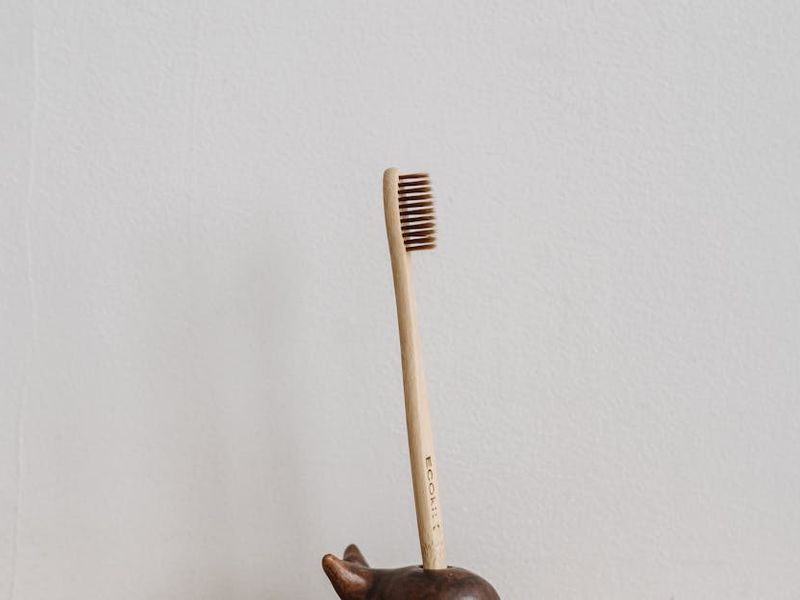
- Use a soft toothbrush (cepillo de cerdas suaves). Initially, avoid brushing directly over the surgical site but clean the surrounding teeth carefully.
- After a few days, your dentist may recommend using an interdental brush (cepillo interdental) or floss with a threader to clean around the abutment. Interdental brushes are readily available in Cuenca pharmacies.
- Consider a water flosser (hidro-flosser) if recommended—many dental supply stores in Cuenca sell affordable models, and they’re particularly helpful for implants. If you’re on a budget, a simple salt-water syringe (jeringa) can help dislodge food after meals.
- Attend professional cleanings. Many dentists recommend extra cleaning visits in the first year—often every 3–4 months—to monitor tissue health around the implant.
Medications and interactions: what to watch for
Common medications after implant surgery may include antibiotics (antibióticos) and anti-inflammatories. Take all medications exactly as prescribed. A few practical reminders for Cuenca residents and visitors:
- Bring a list of any medicines you take regularly and show it to your dentist. Many expats take chronic medications for blood pressure or diabetes that can affect healing.
- Ask your dentist about local pharmacy availability if a specific antibiotic or mouthwash is prescribed. Most pharmacies in Cuenca carry common prescriptions, but smaller clinics may recommend a nearby chain pharmacy for convenience.
- If you’re allergic to penicillin or have gastrointestinal sensitivities, note alternatives in advance. Communicate allergies clearly: “Soy alérgico a la penicilina.”
When to call your dentist or seek emergency care
Not all discomfort means trouble, but there are red flags. Contact your dentist in Cuenca or emergency services if you notice:
- Excessive or uncontrollable bleeding after 24 hours
- Signs of infection: increasing pain, swelling that worsens after day 3, fever (fiebre), or pus at the site
- Numbness (entumecimiento) that doesn’t improve or new, spreading facial swelling
- Implant mobility—an implant should feel stable; movement is a concern
Cuenca’s emergency number is 911, and many dental clinics have on-call numbers for urgent problems. If you’re an expat, save your clinic’s after-hours contact and keep your ID and any medical records handy.
Long-term care: months 1–6 and beyond
Implants typically need several months to fully integrate. During that period, keep up with these practices:
- Avoid placing heavy biting forces on the implant until your dentist gives the all-clear—no hard nuts, ice, or biting down on metal objects.
- Keep consistent oral hygiene: twice-daily brushing and daily interdental cleaning around the implant area.
- Schedule regular checkups every 3–6 months during the first year. In Cuenca, many dentists will document the progress with photos or X-rays to confirm osseointegration.
- Stay on top of systemic health: control blood sugar if you’re diabetic, maintain a healthy diet available at local markets, and manage cardiovascular conditions that may affect bone healing.
Lifestyle tips specific to Cuenca residents and expats
Living in Cuenca gives you access to fresh produce, good pharmacies and a growing community of English-speaking health professionals—but your environment also brings specific considerations:
- Altitude: Cuenca sits at about 2,500–2,600 meters. While normal implant healing isn’t typically affected, you may notice greater fatigue and dryness in the mouth. Drink plenty of water and rest more than usual.
- Local food culture: Soups and soft foods are very common and easy to adapt. Ask vendors for caldo or mashed potato dishes. Avoid crunchy street snacks until your dentist approves.
- Language: Keep a small card with Spanish phrases for dental emergencies and the name/phone of your clinic—handy for taxis or emergency visits.
- Expat networks: Facebook groups and local expat meetups in Cuenca are great resources for recommendations on English-speaking dentists, pharmacies open on Sundays, and local grocery stores that sell soft, healthy foods.
Choosing follow-up care and maintenance in Cuenca
Whether your implant was placed in Cuenca or abroad, you’ll need reliable local follow-up care for maintenance and prosthetic work. Tips for selecting a clinic or hygienist in Cuenca:
- Look for clinics near central neighborhoods like El Centro or near Parque Calderón if you want easy access to transport and pharmacies.
- Ask if the clinic uses digital X-rays or CBCT scans for follow-up—these help monitor bone levels around the implant.
- Discuss prosthetic options and guarantees. Some clinics provide written warranties for the prosthesis and routine follow-up schedules.
- Read reviews and ask for before-and-after photos. Expats often share helpful feedback in local forums about comfort with staff and English availability.
Practical packing and travel advice if you’re visiting Cuenca for implant work
If you plan to travel to Cuenca for implant surgery or follow-up, prepare ahead:
- Bring copies of your medical and dental history, plus a list of medications in both English and Spanish.
- Pack a basic recovery kit: soft-bristled toothbrush, prescribed mouthwash, saline sachets, extra gauze, and a cold pack.
- Allow time in your itinerary for multiple follow-up visits; many foreign patients schedule initial surgery and then stay 1–2 weeks to manage the immediate healing phase.
- Confirm dental insurance coverage and whether your insurer accepts records from Cuenca clinics. Ecuador uses the U.S. dollar, which makes budgeting predictable for many expats.
When things don’t go as planned: troubleshooting common concerns
Minor issues are common but manageable. Here are a few problems and practical responses:
- Persistent bad taste or slight pus: this could be early infection—call your dentist and expect a possible antibiotic course.
- Loosening of a temporary crown: avoid chewing on that side and contact the clinic; many Cuenca dentists can reseat temporaries quickly.
- Sensitivity of nearby teeth: sometimes adjacent teeth react to surgery—monitor symptoms and consult if they persist beyond a week or worsen.
Conclusion: a confident recovery in Cuenca
With sensible aftercare and the right local support, dental implants in Cuenca can heal reliably and give you long-lasting function and comfort. Plan ahead, follow your dentist’s instructions, use local resources like pharmacies and expat networks, and don’t hesitate to reach out if something feels off. Your implant’s success is a partnership between your clinical team and your day-to-day care—especially in the unique environment of Cuenca.
Remember: whenever in doubt, contact your dental clinic. If you’re traveling or new to Ecuador, save emergency contacts and keep your records handy. Smooth healing is a process—tender care, patience, and the right local tips will get you to a healthy, confident smile.
Adam Elliot Altholtz serves as the Administrator & Patient Coordinator of the “Smilehealth Ecuador Dental Clinic“, along with his fellow Expats’ beloved ‘Dr. No Pain‘, right here in Cuenca, Ecuador, and for purposes of discussing all your Dental needs and questions, is available virtually 24/7 on all 365 days of the year, including holidays. Adam proudly responds to ALL Expat patients from at least 7:00am to 9:00pm Ecuador time, again every single day of the year (and once more even on holidays), when you write to him by email at info@smilehealthecuador.com and also by inquiry submitted on the Dental Clinic’s fully detailed website of www.smilehealthecuador.com for you to visit any time, by day or night. Plus, you can reach Adam directly by WhatsApp at +593 98 392 9606 -or by his US phone number of 1‐(941)‐227‐0114, and the Dental Clinic’s Ecuador phone number for local Expats residing in Cuenca is 07‐410‐8745. ALWAYS, you will receive your full Dental Service in English (NEVER in Spanish), per you as an Expat either living in or desiring to visit Cuenca by your Dental Vacation, plus also to enjoy all of Ecuador’s wonders that are just waiting for you to come arouse and delight your senses.