
Table of Contents
Why regular dental check-ups matter — more than just bright teeth
Routine dental exams are the foundation of long-term oral health. Beyond preventing cavities, routine care detects early signs of gum disease, oral cancer, bite problems, and systemic health issues that manifest in the mouth. In Cuenca — with its mix of local families, retirees, and international residents — regular check-ups are an important part of staying healthy in a new environment.
How often should you visit a dentist in Cuenca?
The standard recommendation is a dental visit every six months for most people. That typically includes a professional cleaning and a clinical exam. However, your dentist might suggest more frequent visits if you have: periodontal (gum) disease, a high rate of cavities, diabetes, a history of head and neck radiation, or a compromised immune system.
Children, pregnant women and older adults often need customized schedules. For example, kids with active tooth decay might need appointments every three months, while someone with excellent oral health and low risk might safely extend check-ups to every nine months.
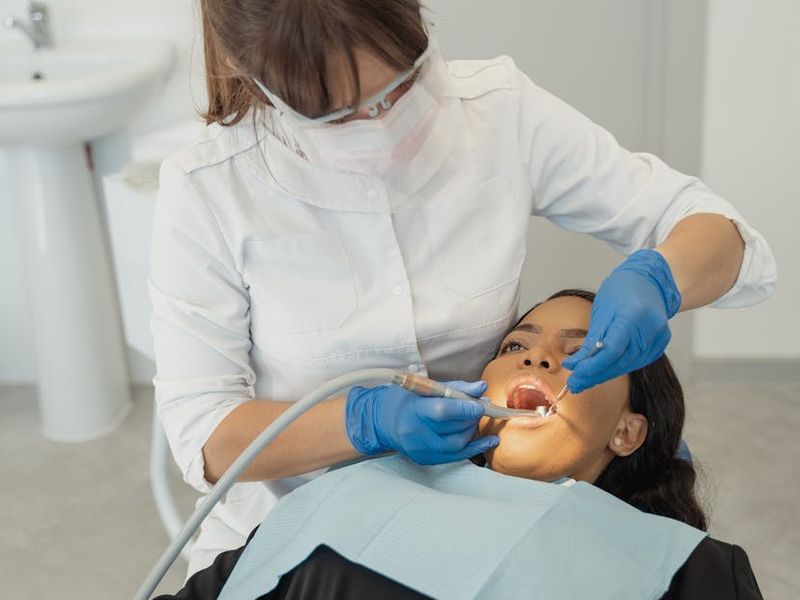
What happens during a routine check-up?
- Medical and dental history review: The dentist or hygienist will ask about medications, recent illnesses, and changes in your mouth or overall health.
- Examination: A visual check for cavities, gum problems, oral lesions and bite issues. In Cuenca clinics, many dentists also screen for signs of oral cancer and systemic conditions.
- Professional cleaning (profilaxis): Scaling to remove plaque and tartar, polishing and advice on home care.
- X-rays when needed: To find hidden decay, assess bone levels around teeth, or check wisdom teeth.
- Preventive treatments: Fluoride varnish or sealants for children and patients at higher risk of decay.
- Personalized plan: Recommendations for follow-up care, restorations, or periodontal therapy.
Signs you should make an appointment right away
Don’t wait for your next scheduled visit if you notice problems. Call a dentist in Cuenca promptly if you have:
- Persistent toothache or sensitivity to hot/cold
- Swelling, facial pain or fever suggesting infection
- Loose teeth or receding gums
- Sores or white/red patches in the mouth that don’t heal in two weeks
- Bleeding gums that persist despite good brushing and flossing
- A broken tooth or dental restoration
Practical tips for expats: finding quality dental care in Cuenca
As an expat, navigating healthcare in a new city can be daunting. Here are practical strategies to find a dentist you trust in Cuenca:
- Start in your neighborhood: Areas around El Centro, Parque Calderón, and El Vergel have many clinics, making them convenient for regular visits.
- Ask fellow expats: Facebook groups and local meetups in Cuenca are excellent resources for recent recommendations and honest reviews.
- Look for bilingual staff: Some clinics cater to foreigners and have English-speaking dentists or receptionists; ask when you call.
- Check equipment and hygiene: Modern digital X-rays, intraoral cameras, and visible sterilization procedures are signs of a clinic that invests in quality care.
- Request credentials: Ask about the dentist’s training and whether they undertake postgraduate courses in areas like implants or endodontics.
Costs and payment: what to expect in Cuenca
Ecuador uses the US dollar, which makes costs easy to understand for North American expats. Prices in Cuenca are generally lower than in the U.S. or Canada, but they vary by clinic and procedure. Typical price ranges (approximate) are:
- Routine cleaning: $20–$50
- Fillings: $30–$100 depending on material and size
- Root canal therapy: $150–$400
- Crown: $200–$600 depending on material and lab quality
- Dental implant (fixture and crown): $800–$2,000
Always request a written estimate and ask whether the clinic uses a local dental laboratory (faster and cheaper) or an international lab (higher cost, possible longer turnaround). Many clinics accept cash and major credit cards; some also offer payment plans. If you have private dental insurance, check coverage limits and whether the clinic will handle claims for you.
Public vs private dental care: pros and cons
Cuenca has both public health facilities (linked to Ecuador’s social security system) and a wide range of private clinics. Consider these points:
- Public clinics/IESS: Lower cost or subsidized care for contributors, but longer wait times and more limited cosmetic options.
- Private clinics: Faster appointments, extended hours, and more cosmetic and specialty services. Many private practices focus on patient comfort and bilingual service for expats.
- University clinics: Dental schools at local universities often offer low-cost care provided by supervised students — a good option for routine work if you’re budget-conscious.
Dental tourism and larger procedures — what to consider
Some North American retirees and long-stay travelers choose Cuenca for major dental work due to the lower prices and high-quality specialists. If you consider this, plan carefully:
- Do thorough research: Request before-and-after photos, ask for references, and check licensure.
- Plan for multiple visits: Implants, crowns and some restorative work often need several appointments spaced weeks apart.
- Ask about warranties: Some clinics offer warranties on restorations; get the terms in writing.
- Factor in aftercare: Make sure you can access follow-up care locally if something goes wrong after you travel home.
Prevention at home: daily habits that reduce dental visits
Good home care lessens the need for major dental work. Simple, consistent habits make a big difference:
- Brush twice daily with a fluoride toothpaste for two minutes.
- Floss daily or use interdental brushes, especially if you have bridges or tight contacts.
- Limit sugary and acidic snacks and beverages that accelerate tooth decay and erosion.
- Use a tongue scraper or brush your tongue to reduce bacteria and bad breath.
- Stay hydrated — dry mouth increases risk of cavities; if you’re on medications that cause dryness, mention it to your dentist.
- Quit smoking — tobacco dramatically raises your risk of periodontal disease and oral cancer.
Special populations: children, pregnant women, and seniors
Dental needs change with age and life stage. Here are practical points for common groups in Cuenca:
Children
Early dental visits create lifelong habits. Pediatric dentists recommend the first visit by a child’s first birthday or when the first tooth emerges. Ask about fluoride treatments and sealants to protect molars — these are common preventive services in Cuenca clinics.
Pregnant women
Routine cleanings and urgent dental care are safe during pregnancy. Inform your dentist about your pregnancy so they can avoid unnecessary X-rays or use proper shielding. Good oral health during pregnancy reduces the risk of gum inflammation, which has been linked to adverse outcomes.
Seniors
Older adults often face dry mouth, root cavities, receding gums and wear from past restorations. Regular check-ups help manage these issues and check for conditions like oral cancer. Removable denture wearers should have periodic adjustments and hygiene checks.
What to ask during your first visit to a new dentist in Cuenca
Bring a list of questions to make the most of your appointment:
- What is included in a routine check-up and cleaning?
- Can you provide a written treatment plan and cost estimate for recommended work?
- Do you use digital X-rays and modern sterilization methods?
- What sedation or pain management options do you offer?
- How do you handle emergencies after hours?
- Are you familiar with treating patients who speak limited Spanish?
Emergency dental care in Cuenca — what to do
Dental emergencies can happen while living or traveling in Cuenca. If you experience severe pain, swelling, bleeding that won’t stop, or a knocked-out tooth, seek care promptly. Most private clinics have emergency slots or an on-call dentist. If you can’t reach a dental clinic, the hospital emergency department can provide temporary relief and antibiotics when needed. For a knocked-out adult tooth, try to place it back in the socket if possible, or keep it in cold milk or saliva and see a dentist immediately — time matters.
Final thoughts: routine care is an investment
Regular dental check-ups in Cuenca are an investment in your overall health and quality of life. With affordable options, friendly clinics, and a sizable expat community, it’s easier than ever to get consistent care. Build a relationship with a dentist you trust, follow preventive habits at home, and don’t delay care when issues arise. Your future self — and your smile — will thank you.
If you’re new to Cuenca and unsure where to start, consider asking your local expat group for vetted recommendations or booking a consultation at a nearby clinic to get a feel for the practice and staff. A short check-up now can prevent long, costly treatments later.