
Table of Contents
Why regular dental check-ups matter — especially for expats in Cuenca
Regular dental visits are one of the easiest ways to protect your health and your wallet. For expats living in Cuenca, routine check-ups do more than prevent cavities — they help you navigate a new healthcare system, manage language differences, and catch issues early when treatment is faster and far less expensive.
Beyond prevention, dental check-ups are screening opportunities. Dentists look for early signs of gum disease, oral cancer, bite problems and systemic conditions that can show up in the mouth (such as diabetes). For people who move countries, maintaining those regular appointments keeps your dental records up to date and makes any future treatment — whether routine or complex — much smoother to arrange.
How often should you visit a dentist?
The standard recommendation worldwide — and a good rule of thumb in Cuenca — is a check-up and professional cleaning every six months. That cadence suits most healthy adults and helps keep plaque and tartar under control.
But “every six months” is a starting point. You may need more frequent visits if you have any of the following:
- Active gum disease (periodontitis) — often every 3–4 months for maintenance
- Frequent cavities — dentists may recommend check-ups every 3–4 months while decay is being controlled
- Orthodontic treatment — follow your orthodontist’s schedule (usually every 4–8 weeks)
- Immunosuppression, diabetes or other systemic conditions — more frequent monitoring may be advised
- Smoking or heavy alcohol use — both increase risk for oral disease and cancer
What actually happens at a typical check-up in Cuenca?
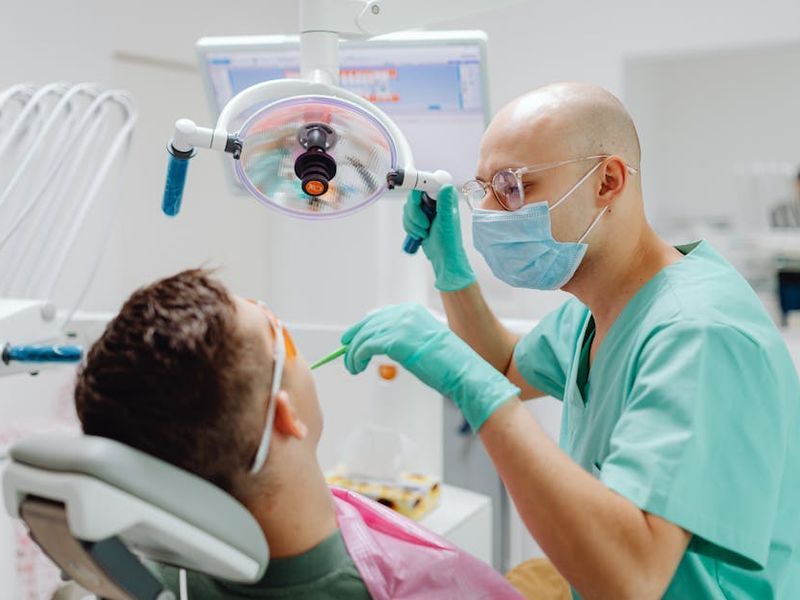
A routine visit usually includes three main parts: the exam, the cleaning (prophylaxis), and any necessary X-rays or treatment planning.
During the exam the dentist or hygienist will:
- Review your medical and dental history — especially important if you’ve recently moved to Ecuador
- Inspect teeth and gums, checking for cavities, gum inflammation, and signs of wear or grinding
- Screen for oral cancer by looking at soft tissues in the mouth
The cleaning removes plaque and calculus (tartar). Hygienists use scalers and polishers and will coach you on home care. X-rays are taken as needed to spot decay below the gumline or in between teeth.
Costs in Cuenca — what to expect
One of the appeals of dental care in Cuenca is affordability compared with many North American and European cities. Prices vary by clinic, the dentist’s experience, and the complexity of treatment, but here are approximate ranges (USD) to give you a practical idea:
- Routine cleaning (hygiene visit): $20–$50
- Filling (composite): $30–$80
- Simple tooth extraction: $30–$100
- Root canal (single-rooted tooth): $120–$300
- Crown (porcelain fused to metal or zirconia): $150–$500
- Dental implant (per implant, excluding bone grafts): $700–$1,500
These are ballpark figures—always get a written estimate from the clinic. If you have complex needs or plan to get multiple crowns or implants, ask for a phased treatment plan to spread cost and travel time.
Choosing a dentist in Cuenca: practical tips for expats
Cuenca has many private dental clinics, several public hospitals with dental departments, and training clinics affiliated with local universities. Here’s how to pick a provider that fits your needs:
- Look for bilingual staff if your Spanish is limited. Many dentists in Cuenca speak at least some English, and expat-focused clinics offer full English service.
- Check credentials — ask to see the dentist’s registration with the Colegio de Odontólogos or equivalent local authority; reputable clinics will display licenses.
- Read reviews in expat Facebook groups, forums, and Google Reviews. Local expat communities like Cuenca expat groups often post recent experiences and recommendations.
- Visit the clinic first for a consult. Evaluate cleanliness, sterilization protocols (autoclaves), and whether they use digital X-rays and modern materials.
- Ask about warranties on prosthetic work. Many private clinics offer guarantees on crowns or bridges for a set period.
Where to look in the city
Clinics in central neighborhoods — around Parque Calderón, the historic center, El Vergel and near the Tomebamba River — are convenient for expats and frequently host bilingual staff. If you prefer quieter areas, clinics in residential neighborhoods like San Joaquin and Yanuncay are also options. For emergency situations, Cuenca’s larger public hospitals have emergency dental services if a private clinic is closed.
Private insurance from your home country may not cover treatment in Ecuador, so check your policy carefully before assuming coverage. Many expats pay out of pocket for dental care because local prices are low enough to make this feasible.
If you have legal residency and contribute to Ecuador’s IESS (Instituto Ecuatoriano de Seguridad Social), some dental services may be covered through the public system, although waiting times and scope of services differ from private clinics. Ask locals or your employer about IESS dental benefits and how to register.
Payment methods in private clinics commonly include cash (USD is Ecuador’s official currency), local debit/credit cards, and sometimes international cards. Some clinics offer payment plans for larger treatments—ask for a written payment schedule.
Preparing for your first appointment as an expat
Make the most of your first visit by preparing a short file:
- Bring a list of current medications and any allergies.
- If possible, bring recent dental X-rays from your previous dentist—digital copies are ideal.
- Have an ID and any insurance documentation available.
- Prepare specific questions: do you need a dental cleaning, check-up, or a full assessment? Are there budget concerns? Tell the team up front so they can prioritize.
Ask for a written treatment plan and estimate, and request that forms or explanations be provided in English if needed. Most private clinics are happy to provide bilingual consent forms on request.
Emergency dental care in Cuenca
Toothaches, broken teeth, knocked-out teeth and infections happen. For severe pain, swelling, or bleeding, don’t wait—visit an emergency clinic.
Private clinics often provide same-day appointments for acute issues. If the clinic is closed, public hospitals with emergency services in Cuenca can manage urgent dental care. Keep a local emergency number and the contact for your preferred clinic saved in your phone.
If you experience a dental trauma such as a knocked-out tooth, preserve the tooth in milk or saline and head to a clinic immediately—time is critical for reimplantation.
Preventive habits that work in Cuenca’s lifestyle
Good home care paired with regular dental check-ups is the best formula for long-term oral health. Some practical habits tailored to life in Cuenca:
- Brush twice daily with fluoride toothpaste and a soft-bristle brush. Replace your brush every 3 months or after illness.
- Floss or use interdental brushes once a day—this prevents decay between teeth where toothbrushes can’t reach.
- Limit sugary snacks and sodas. Enjoy local fruits, but rinse your mouth after sticky or sugary foods and drinks.
- Consider a mouthwash with fluoride if you’re at higher risk for cavities.
- If you grind your teeth (bruxism), ask for a night guard—stress and new routines can increase grinding in expats.
Special considerations for long-term expats and retirees
If you plan to stay in Cuenca for an extended period, building a relationship with a local dentist makes complex care easier. Keep several practical records:
- Digital copies of dental X-rays and treatment records
- Details of materials used (e.g., types of crowns or implants)
- Manufacturer and serial numbers for implants if available
For retirees on a fixed budget, annual or semi-annual check-ups prevent costly restorative work down the line. If you’re considering major restorative or cosmetic work, consult multiple clinics and ask for before-and-after photos of their work. Many expats coordinate larger procedures during travel back home or schedule staged treatment locally to fit their budget.
Final checklist: your dental-health action plan in Cuenca
Use this short checklist to keep your dental health on track after you move:
- Schedule a comprehensive exam within the first 1–3 months of arrival
- Commit to routine cleanings every 6 months (or more often if advised)
- Choose a bilingual clinic and verify credentials and sterilization standards
- Keep a local emergency contact and copies of dental records
- Practice daily preventive care—brush, floss, reduce sugary drinks
- Get written treatment plans and cost estimates before major procedures
Conclusion: a small investment with big returns
Regular dental check-ups in Cuenca are an affordable, practical way for expats to protect overall health, prevent expensive procedures, and integrate smoothly into the local healthcare system. With thoughtful research, a basic preventive routine, and a trusted local dentist, you’ll find dental care here both accessible and high-quality. Whether you need a simple cleaning or a more complex restoration, starting with regular exams will keep your smile healthy and make dental care one less worry in your life abroad.
Ready to schedule? Start by asking fellow expats for recommendations, book a consult with a bilingual clinic near your neighborhood, and bring your dental history. Small steps now can spare you discomfort and expense later — and keep your smile bright in Cuenca’s beautiful, historic setting.
Adam Elliot Altholtz serves as the Administrator & Patient Coordinator of the “Smilehealth Ecuador Dental Clinic“, along with his fellow Expats’ beloved ‘Dr. No Pain‘, right here in Cuenca, Ecuador, and for purposes of discussing all your Dental needs and questions, is available virtually 24/7 on all 365 days of the year, including holidays. Adam proudly responds to ALL Expat patients from at least 7:00am to 9:00pm Ecuador time, again every single day of the year (and once more even on holidays), when you write to him by email at info@smilehealthecuador.com and also by inquiry submitted on the Dental Clinic’s fully detailed website of www.smilehealthecuador.com for you to visit any time, by day or night. Plus, you can reach Adam directly by WhatsApp at +593 98 392 9606 -or by his US phone number of 1‐(941)‐227‐0114, and the Dental Clinic’s Ecuador phone number for local Expats residing in Cuenca is 07‐410‐8745. ALWAYS, you will receive your full Dental Service in English (NEVER in Spanish), per you as an Expat either living in or desiring to visit Cuenca by your Dental Vacation, plus also to enjoy all of Ecuador’s wonders that are just waiting for you to come arouse and delight your senses.