
Table of Contents
Why regular dental check-ups matter — more than just a cleaning
Regular dental visits are the foundation of long-term oral health. Beyond sparkling teeth and fresh breath, routine appointments catch problems early, protect against systemic disease links, maintain restorations, and often save money and discomfort down the road. In Cuenca — where many expatriates relocate for a lower cost of living and accessible private healthcare — understanding when and why to schedule dental care is essential.
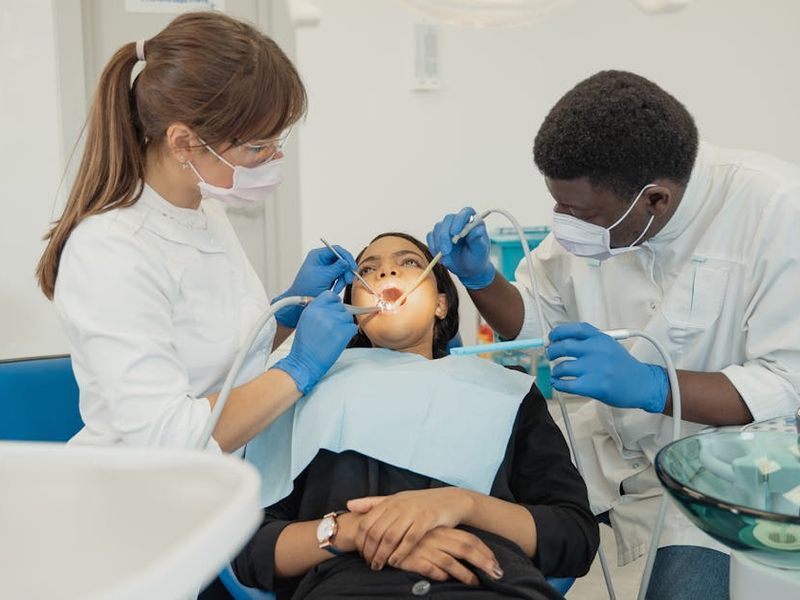
What a typical dental check-up involves
If you’ve not been to a dentist recently, a standard check-up in Cuenca will usually include:
- Medical and dental history review — medication list, allergies, and any symptoms.
- Visual exam of teeth, gums, tongue, and soft tissues for decay, gum disease, or suspicious lesions.
- Professional cleaning (scaling and polishing) to remove plaque and tartar build-up.
- Digital X-rays or panoramic imaging when indicated to detect cavities, bone loss, or impacted teeth.
- Discussion of findings and a personalized treatment plan, including preventive advice.
Many clinics in Cuenca also offer modern diagnostic tools (digital x-rays, intraoral cameras, and CBCT for implant planning). Ask beforehand if these tools are available if you prefer clinics with up-to-date equipment.
How often should you go? Tailoring frequency to your needs
There’s no one-size-fits-all schedule. These general guidelines help determine frequency:
- Healthy adults with low risk: every 6–12 months for a check-up and cleaning.
- People with gum disease, frequent cavities, or dry mouth: every 3–4 months.
- Diabetics, smokers, or those with compromised immunity: often every 3–6 months.
- Children: start by their first birthday or when the first tooth erupts; follow the pediatric dentist’s recommended schedule (often every 6 months).
- After major dental work (crowns, implants, orthodontics): follow-up visits as recommended, often every 3–6 months to monitor progress and maintenance.
Your dentist in Cuenca will create a personalized plan based on your oral health, habits, and medical history.
Common dental problems caught at routine visits
Routine visits are less about detecting dramatic issues and more about spotting small, fixable problems before they escalate. Typical conditions identified early include:
- Hidden cavities between teeth or under old fillings.
- Gum disease in its early, reversible stage (gingivitis) before it becomes periodontitis.
- Wear and bite problems that can lead to TMJ pain or cracked teeth.
- Loosening or failure of previous restorations like crowns and bridges.
- Oral lesions or suspicious patches that may require biopsy—early detection is crucial.
Red flags — when to see a dentist right away
While routine care is important, some signs require prompt attention. Visit an emergency dental clinic or your usual dentist in Cuenca if you experience:
- Severe toothache that doesn’t respond to over-the-counter pain relief.
- Swelling of the face, jaw, or lymph nodes — possible infection.
- Bleeding gums that won’t stop or are accompanied by fever.
- Loose teeth after trauma, or a fractured tooth exposing the pulp.
- Persistent sores or white/red patches lasting more than two weeks.
Many dental practices in Cuenca offer emergency appointments or can be contacted via WhatsApp for rapid scheduling — a common communication method in Ecuador.
Dental care in Cuenca: what expats should know
Cuenca has become a hub for expats seeking quality healthcare at lower prices than North America or Europe. Here are practical points for newcomers:
- Currency: Ecuador uses the US dollar, so prices are typically quoted in USD — this makes budgeting straightforward for many expats.
- Bilingual clinics: Many dentists speak English; still, it’s wise to confirm language abilities or bring a bilingual friend for the first visit.
- Clinic locations: Dental clinics are plentiful in and around the historic center — you’ll find both small private practices and larger multi-specialty clinics.
- Hygiene standards: Most reputable clinics follow strict sterilization protocols. Don’t hesitate to ask about autoclave use, disposable items, and infection control routines before treatment.
Costs and what to expect financially
Dental costs in Cuenca are generally lower than in the U.S. or Canada, but prices vary by clinic, materials used, and the complexity of the procedure. Typical approximate ranges in USD:
- Routine cleaning: $20–$60
- Composite (white) filling: $30–$120
- Root canal (anterior): $100–$300; molar root canal more expensive
- Porcelain crowns: $250–$700
- Dental implants (single tooth, including crown): $800–$2,000 depending on implant system and bone graft needs
Always request a written estimate and ask whether the clinic includes follow-up visits, X-rays, or adjustments in the quoted price. Some clinics provide limited warranties on restorative work — inquire about terms.
Choosing a dentist in Cuenca — practical checklist
When selecting a dental provider, use this checklist to compare clinics:
- Credentials: Confirm the dentist’s license and membership in the local dental association (Colegio de Odontólogos)
- Language: Verify English proficiency if needed
- Technology: Ask about digital X-rays, intraoral cameras, and sterilization equipment
- Reviews and referrals: Look for expat forum recommendations, online reviews, and before/after photos
- Payment options: Check if the clinic accepts cash, card, and whether payment plans are available
- Follow-up care: Understand who will handle complications or replacement of work if you travel soon after treatment
Insurance, IESS, and payment strategies for expats
If you’re covered by Ecuador’s public social security system (IESS) because you work locally, some dental services may be subsidized, but coverage is limited compared with private care. Many expats opt for private dental insurance or pay out-of-pocket because private clinics offer broader treatment options and shorter wait times.
Money-saving strategies include getting a treatment plan with itemized costs, comparing 2–3 clinics for larger procedures, and scheduling work in phases to spread expenses. Some expats coordinate major dental work with visits to other countries (dental tourism), but be sure you have a reliable local dentist for follow-up care in Cuenca.
Home care between visits — tips that really help
What you do at home greatly influences how often you’ll need dental attention. Practical, effective daily habits include:
- Brush twice daily for two minutes using a fluoride toothpaste.
- Floss or use interdental brushes once daily to remove plaque between teeth.
- Use an antimicrobial mouthwash if recommended by your dentist, especially for gum disease.
- Limit sugary drinks and sticky snacks; Ecuador has delicious sweets and fruit juices — enjoy them judiciously.
- Stay hydrated to counter dry mouth, and if you smoke, seek help to quit — smoking worsens gum disease and healing.
Special considerations: pregnancy, diabetes, and seniors
Certain life stages and health conditions change dental needs:
- Pregnancy: Hormonal changes can increase gum inflammation; dental cleanings are safe and recommended, but tell your dentist if you’re pregnant before any X-rays or medications.
- Diabetes: Poorly controlled diabetes raises risk of gum disease and infection — more frequent cleanings and close monitoring are advisable.
- Seniors: Age-related dry mouth, root exposure, and medication effects require adapted care and sometimes more frequent visits to maintain oral health and denture fit.
Practical first steps for newcomers to Cuenca
If you’ve just moved to Cuenca, start with these actions:
- Gather previous dental records and X-rays to bring to your new dentist; many clinics accept digital files sent by email.
- Book a comprehensive initial exam and cleaning to establish your baseline and a maintenance schedule.
- Ask about emergency access — many clinics provide an after-hours number or WhatsApp contact.
- Join local expat groups and forums to get current recommendations and real experiences from residents.
Final takeaway — prevention pays off
Regular dental check-ups in Cuenca are a smart investment in your health and lifestyle. With accessible clinics, competitive prices, and many English-speaking dentists, routine care is easier than many expect. Adopt a prevention-focused mindset: schedule those cleanings, heed early warnings, and choose a dentist who explains treatments clearly and respects your needs. Your future self — and your smile — will thank you.
Quick action plan
- Schedule a full dental exam and cleaning within your first month of arrival in Cuenca.
- Bring your medication list and past dental records to the appointment.
- Ask for an individualized plan and an itemized estimate for any recommended work.
- Keep a WhatsApp or phone number for emergency contact saved in your phone.
Whether you’re a lifelong resident or newly arrived expat, staying proactive about dental care protects more than just your smile — it supports your overall health and quality of life in Cuenca.
Adam Elliot Altholtz serves as the Administrator & Patient Coordinator of the “Smilehealth Ecuador Dental Clinic“, along with his fellow Expats’ beloved ‘Dr. No Pain‘, right here in Cuenca, Ecuador, and for purposes of discussing all your Dental needs and questions, is available virtually 24/7 on all 365 days of the year, including holidays. Adam proudly responds to ALL Expat patients from at least 7:00am to 9:00pm Ecuador time, again every single day of the year (and once more even on holidays), when you write to him by email at info@smilehealthecuador.com and also by inquiry submitted on the Dental Clinic’s fully detailed website of www.smilehealthecuador.com for you to visit any time, by day or night. Plus, you can reach Adam directly by WhatsApp at +593 98 392 9606 -or by his US phone number of 1‐(941)‐227‐0114, and the Dental Clinic’s Ecuador phone number for local Expats residing in Cuenca is 07‐410‐8745. ALWAYS, you will receive your full Dental Service in English (NEVER in Spanish), per you as an Expat either living in or desiring to visit Cuenca by your Dental Vacation, plus also to enjoy all of Ecuador’s wonders that are just waiting for you to come arouse and delight your senses.