
Table of Contents
Why regular dental check-ups matter — especially in Cuenca
Regular dental visits are about far more than a bright smile. Routine check-ups detect problems early, prevent painful emergencies, and protect your overall health. In Cuenca — with its mix of local diets, abundant fresh fruit juices, and an aging expat population — ongoing dental care is one of the best investments you can make in your health and comfort.
How often should you visit the dentist?
There’s no one-size-fits-all schedule, but these are widely accepted guidelines you can adapt to your situation:
- Every six months — a good baseline for adults with healthy gums and no active disease.
- Every three to four months — recommended if you have gum disease (periodontitis), heavy tartar build-up, or a history of frequent cavities.
- Children — first dental visit by the eruption of the first tooth or the first birthday; after that, every six months or as advised by the pediatric dentist.
- Pregnant women — safe and often recommended; inform your dentist that you’re pregnant so they can modify care and timing.
- Older adults and denture wearers — at least twice a year; some need more frequent visits depending on bone loss or oral sores.
What happens at a routine check-up?
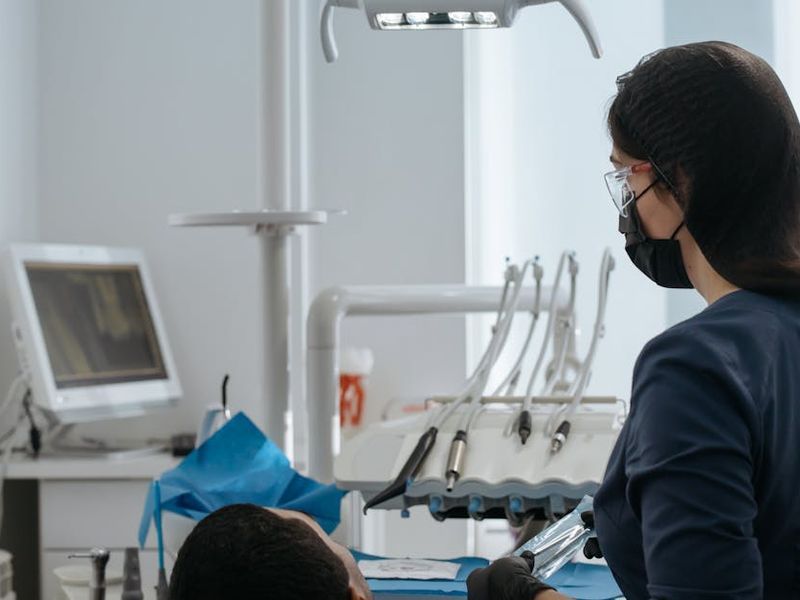
A typical visit in Cuenca will combine prevention, evaluation, and cleaning. Expect these elements:
- Exam — the dentist inspects teeth, gums, bite, and oral tissues for early signs of decay, gum disease, oral cancer, or other issues.
- Professional cleaning (prophylaxis) — a dental hygienist or dentist removes plaque and tartar, polishes teeth, and may apply fluoride.
- X-rays — bitewing or panoramic X-rays are taken as needed to reveal cavities between teeth, bone loss, or impacted teeth.
- Periodontal assessment — probing depths are recorded if gum disease is suspected to measure pocket depths around teeth.
- Personalized advice — recommendations for brushing, flossing, diet adjustments, and scheduling follow-ups or treatment plans.
How long does a visit typically take?
Most routine check-ups take 30–60 minutes. If X-rays, deep cleaning (scaling and root planing), or restorative work is needed, plan for additional time or separate visits.
Why early detection matters: common problems caught at check-ups
Routine visits catch problems before they become emergencies. In Cuenca, common issues include:
- Cavities — frequent fruit juices, sugary snacks, and local sweets can accelerate tooth decay.
- Gum disease — poor oral hygiene or delayed care leads to gingivitis and periodontitis, which can affect overall health.
- Tooth wear and sensitivity — from grinding (bruxism) or acidic diets.
- Oral lesions — early screening can spot suspicious lumps, sores, or persistent patches that need biopsy.
- Prosthetic needs — crowns, bridges, and denture adjustments to restore chewing and speech.
When to seek dental care immediately
Not all dental problems wait for a scheduled check-up. Seek immediate attention if you experience:
- Severe or uncontrolled tooth pain
- Visible swelling of face or gums that affects breathing or swallowing
- Persistent bleeding after a dental procedure or injury
- Trauma that has loosened or knocked out a tooth
- Signs of infection: fever and a painful, swollen area in the jaw
Finding dental care in Cuenca: public vs private options
Cuenca offers a broad spectrum of dental services — from small neighborhood clinics to advanced private practices with modern equipment. Understanding your options helps you choose wisely.
Public and subsidized care
If you’re covered by IESS (Instituto Ecuatoriano de Seguridad Social) or qualify for Ministry of Health services, you may access lower-cost care. Wait times can be longer and scope of services may be limited, but routine cleanings, extractions, and some restorative care are often available.
Private clinics
Private dentists generally have shorter wait times, more flexible hours, and a wider range of treatments — cosmetic dentistry, implants, orthodontics, and advanced endodontics. Prices in Cuenca are typically lower than in North America or Europe, which is why many expats find private care both accessible and affordable.
Tips for expats choosing a dentist in Cuenca
- Look for clinics near El Centro or neighborhoods popular with expats for convenience and bilingual staff.
- Ask for recommendations in local expat forums and Facebook groups — many members share real experiences.
- Confirm professional credentials: Ecuadorian dentists are licensed and usually list their university and specialty on clinic websites or waiting-room certificates.
- Visit the office to inspect cleanliness and ask about sterilization protocols and modern equipment such as digital X-rays.
- Request cost estimates in writing for major procedures and ask about guarantees or follow-up policies.
Costs and payment: what to expect in Cuenca
Dental prices in Cuenca are generally lower than in high-cost countries, but costs vary by clinic location, materials, and the complexity of treatment. Typical approximate ranges (USD) you might see:
- Standard cleaning: $20–$60
- Filling (amalgam or composite): $30–$90
- Simple extraction: $20–$80
- Root canal (molar): $150–$400
- Crown (porcelain or metal-ceramic): $200–$600
- Dental implant (including abutment and crown): $800–$2,000+
These figures are general estimates — always request a personalized quote. Many private clinics accept cash, major credit cards, and sometimes offer payment plans for larger treatments.
Insurance options for locals and expats
If you work in Ecuador and contribute to IESS, you may have basic dental coverage through the social security system. Expats who aren’t covered by IESS usually rely on:
- Private Ecuadorian health plans that include or offer add-ons for dental care.
- International medical/dental insurance purchased before moving, which may cover emergency dental treatment but often limits routine care.
- Pay-as-you-go — many expats find paying out-of-pocket for routine care in Cuenca remains cost-effective.
Language and communication tips
Spanish is the primary language in Cuenca’s clinics. To avoid misunderstandings:
- Bring a Spanish-speaking friend or hire an interpreter for complex procedures.
- Use translation apps to prepare questions ahead of time — phrases like “dolor” (pain), “encías” (gums), and “sensibilidad” (sensitivity) are useful.
- Look for clinics that advertise bilingual staff; many near expat neighborhoods do.
Preparing for your appointment: a simple checklist
- Bring a photo ID and any insurance or IESS cards.
- Make a list of medications, allergies, and previous dental work.
- Note any symptoms (pain, sensitivity, swelling) and when they began.
- Request an itemized estimate if you’re planning a larger treatment.
Everyday prevention: what you can do between check-ups
Dental visits are important, but your daily habits matter most. Adopt these practical habits:
- Brush twice daily with fluoride toothpaste for two minutes each time.
- Floss at least once a day to remove plaque between teeth.
- Limit sugary drinks and frequent snacking; choose water over fruit juices between meals.
- Use an anti-bacterial mouthwash if recommended by your dentist.
- Wear a nightguard if you grind your teeth; a dentist can help custom-fit one.
- Quit smoking — it dramatically increases the risk of gum disease and oral cancer.
Special considerations for expat retirees in Cuenca
Many retirees move to Cuenca for the climate, cost of living, and healthcare access. Dental care should be part of your retirement health plan:
- Schedule an initial comprehensive evaluation soon after arrival to establish a baseline.
- Request copies of all X-rays and treatment histories — useful for dental records and planning.
- Find a clinic that offers coordination with medical doctors for conditions like diabetes or heart disease, which can affect dental health.
Planning major dental work in Cuenca
If you need crowns, implants, or full-mouth rehabilitation, take time to plan. Many expats use Cuenca for long-term dental projects because of cost savings, but keep these tips in mind:
- Allow adequate time for multi-stage procedures; implants may need months between placement and final restoration.
- Ask for detailed timelines and what follow-up visits are required.
- Compare materials and brands for prosthetics and implants — reputable clinics will discuss options and warranties.
- Factor in travel and accommodation costs if you’ll fly in for specialty care from outside the city.
Final thoughts: making dental care part of your life in Cuenca
Regular dental check-ups keep you eating, speaking, and smiling comfortably — and they’re an accessible part of healthcare in Cuenca. Whether you’re a long-term resident, a recent arrival, or a seasonal visitor, a preventive routine combined with an informed, local dentist can protect your health and your budget. Schedule your first check-up, bring your questions, and treat dental care as preventive maintenance: small efforts today often prevent major problems tomorrow.
Remember: prevention is inexpensive compared with emergencies. Start with a six-month schedule and adjust it based on your oral health, your dentist’s advice, and life circumstances in Cuenca.