
Table of Contents
Why regular dental check-ups matter — especially for expats in Cuenca
Regular dental visits are about far more than sparkling teeth. They prevent pain, detect problems early, protect your overall health and help you avoid costly procedures later. For expats in Cuenca, there are extra reasons to prioritize routine dental care: different foods, altitude-related health factors, and the practicalities of navigating a new healthcare system.
How often should you schedule a check-up?
There’s no one-size-fits-all answer, but general guidance is straightforward:
- Low-risk adults: every 6–12 months
- People with gum disease, frequent cavities, or chronic health conditions: every 3–4 months
- Children: every 4–6 months, depending on enamel development and cavity risk
- Older adults or those with dry mouth/medication-related issues: tailored maintenance, often 3–6 months
Your dentist will recommend a personalized recall interval based on a thorough exam and risk factors like smoking, diabetes, or a history of cavities.
What a standard check-up in Cuenca includes
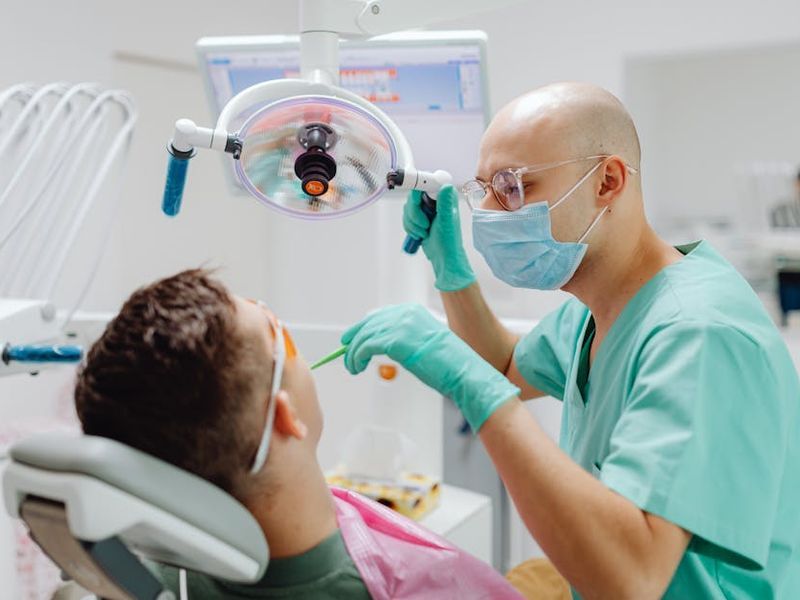
Most routine appointments at private clinics in Cuenca last 30–60 minutes and typically include:
- A medical and dental history review (bring any meds and past dental records)
- A thorough oral exam — teeth, gums, bite, and soft tissues
- Professional cleaning (scaling and polishing); more time if there’s tartar buildup
- Digital X-rays when indicated (bitewings, panoramic)
- Discussion of findings and a proposed treatment or prevention plan
Many clinics also offer intraoral photos, periodontal charting, and fluoride varnish on request.
How Cuenca’s healthcare context affects dental care choices
Cuenca has a well-regarded mix of modern private clinics and public services. Private dentists often offer bilingual staff, digital imaging, and same-day restorations in central neighborhoods like El Centro and near Parque Calderón. If you’re enrolled in Ecuador’s public system (IESS), you may have access to basic dental services, but wait times and the scope of procedures can be limited. Many expats choose private care for speed, convenience and comfort.
Estimated costs and what to expect financially
Prices in Cuenca are generally lower than in North America or Europe, but they vary with clinic quality and materials. Approximate ranges (varies by clinic and year):
- Dental cleaning: $20–$60
- Standard filling (composite): $30–$120
- Root canal (front tooth): $150–$350; molar can be higher
- Crown (porcelain fused-to-metal or ceramic): $200–$600
- Extractions: $30–$150, more for surgical removal
These are ballpark estimates; always request a written treatment plan and quote before starting work. Many private clinics accept cash, debit/credit cards and local bank transfers. Some offer payment plans for larger treatments.
How to choose a dentist in Cuenca
Follow a few practical steps to find a trustworthy dentist:
- Check credentials: Ask to see professional registration and continuing-education certificates. The Colegio de Odontólogos de Azuay or local health authority can confirm licensure.
- Read reviews: Expat Facebook groups, Google reviews, and local forums often have up-to-date feedback.
- Inspect the clinic: Look for modern sterilization equipment, digital X-ray machines and a clean waiting area.
- Ask about language: Many dentists speak some English; confirm whether staff or a translator will be available if you don’t speak Spanish.
- Get a second opinion: If a dentist recommends an extensive procedure, don’t hesitate to consult another clinic.
Practical tips for expats — first visit checklist
Make your initial dental appointment in Cuenca a smooth experience by preparing:
- Bring a list of current medications and any medical diagnoses (hypertension, diabetes, anticoagulants, etc.).
- Bring prior dental records and X-rays if possible — digital copies are best.
- Bring ID and proof of residency if you want to link records to local health services.
- Prepare questions about sterilization standards, warranty periods on work, and post-op instructions.
- Ask about the dentist’s policy for emergencies and after-hours care.
Common concerns for expats: language, quality, and follow-up care
Language barriers are one of the biggest worries. Many clinics in Cuenca serve international patients and provide bilingual staff or translators. If you feel uneasy, bring a Spanish-speaking friend or use a translation app during the appointment. Quality is generally high in reputable private clinics; look for dentists who use international brands for materials and modern imaging equipment.
Follow-up care is straightforward — most clinics provide written post-op instructions in Spanish, and many will email or WhatsApp follow-up photos. If you plan to travel, coordinate treatment timing: avoid major dental work right before a long flight or trip to remote areas.
Prevention: habits that cut down on dental visits
Preventive care reduces the need for extensive procedures. Simple daily habits are highly effective:
- Brush twice a day with fluoride toothpaste for two minutes each time.
- Floss daily or use interdental brushes for tight contacts.
- Limit sugary snacks and acidic beverages — be mindful of fresh fruit juices and ceviche’s acidity.
- Drink water after meals and chew sugar-free gum with xylitol if brushing isn’t possible.
- Use a soft toothbrush at high altitude; some people with sensitive gums find pressure changes affect gum discomfort.
Handling dental emergencies in Cuenca
Not every clinic has 24/7 emergency hours, but many maintain contacts for urgent cases. Common dental emergencies include severe pain, swelling, knocked-out teeth, and uncontrolled bleeding. Immediate steps:
- Call your dentist right away — clinics often reserve one slot a day for urgent care.
- For a knocked-out permanent tooth, place it back gently if possible or keep it in milk or saline and get to a dentist within an hour.
- For swelling, see a dentist quickly — infections can spread and require antibiotics or drainage.
If you can’t access private care, the public hospital network can triage emergencies but expect waits. Expat groups can be a fast source of recent recommendations for clinics handling emergencies.
Special considerations: seniors, children and medical conditions
Seniors often face different oral-health needs: gum recession, root decay, dry mouth from medications, and the need for denture maintenance. Regular periodontal check-ups and adjustments to prostheses are important. Children require a gentle approach and early prevention; many expats prefer private pediatric dental services that provide sealants and fluoride varnish.
If you have chronic conditions such as diabetes, heart disease, or take blood thinners, tell your dentist — these affect both treatment planning and healing. Cuenca dentists typically coordinate with physicians when needed, but you should provide clear medical instructions and contact info for your doctor.
Cosmetic and restorative dentistry in Cuenca
Cosmetic options — whitening, veneers, implants and crowns — are widely available and often cost less than in North America. Implants require planning, imaging and lab work; many clinics partner with local dental labs that can produce crowns in days rather than weeks. If you’re considering major cosmetic work, plan several visits and request a treatment timeline with guarantees and materials listed.
Why building a relationship with a local dentist pays off
Establishing a regular dentist in Cuenca gives you continuity of care, better preventive maintenance and quicker responses in emergencies. A dentist who knows your history can catch trends you might miss, like early gum disease or enamel wear from a change in diet.
Registering with a reliable clinic soon after you arrive also means you’ll have a trusted contact when family members or visitors need dental care — a real plus for expat life where convenience matters.
Final practical checklist before you go
- Schedule a comprehensive baseline exam within a few months of moving to Cuenca.
- Bring past records and ask for a written care plan and cost estimate.
- Confirm language support and emergency contact procedures.
- Follow preventive advice and stick to your recall schedule — even if your teeth feel fine.
Closing thoughts
Regular dental check-ups are one of the smartest investments you can make in Cuenca. They protect your comfort, appearance and general health while saving money and stress in the long run. With many capable clinics, lower costs than in many home countries, and active expat communities to help you choose wisely, it’s practical and easy to stay on top of your oral health here. Book that first exam — your future self will thank you.