
Table of Contents
Why regular dental visits matter more than you might think
Routine dental check-ups do much more than keep your smile bright. They catch problems early, prevent costly emergency treatments, and protect systemic health—especially important for expats building a long-term life in Cuenca. Whether you live in El Centro, Yanuncay, or near Parque Calderón, knowing when and why to see a dentist helps you stay healthy and avoid surprises.
How often should you be seen?
The conventional answer is every six months, but the right frequency depends on your individual risk. Here’s a practical breakdown:
- Low-risk adults: Healthy gums, no active cavities, and good home care — visit every 6–12 months.
- Higher-risk adults: History of gum disease, frequent cavities, smokers, or people with diabetes — every 3–4 months is often recommended.
- Children: Start by their first birthday or when the first tooth appears. Then every 3–6 months depending on cavity risk and fluoride exposure.
- Pregnant women: Schedule at least one dental check-up during pregnancy; communicate with your obstetrician for timing.
- Seniors and denture wearers: At least twice a year, with more frequent visits if gums are fragile or implants are present.
What happens during a routine visit in Cuenca?
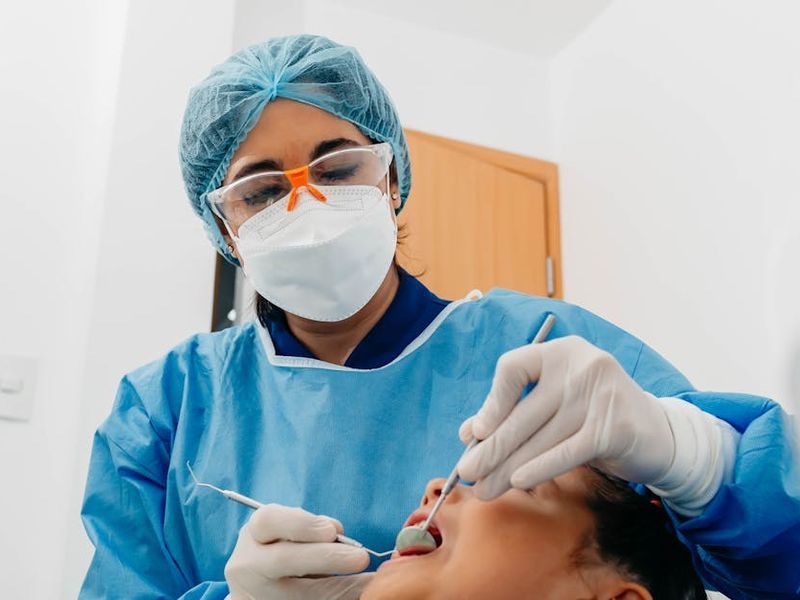
Most clinics follow a similar sequence. Expect a clinical exam, periodontal check (gum health), screening for oral cancer, and cleaning. Many modern Cuenca clinics also offer digital X-rays and intraoral photos for a clearer diagnosis. If you need restorative work, the dentist will explain options, timelines, and estimated costs.
Ask these questions during your appointment
- Do I need X-rays now, and how recent will they be?
- What is my cavity risk and how can I reduce it?
- Are there less invasive options before a crown or root canal?
- Are you experienced with implants/veneers/sedation if I need them?
Common warning signs that require prompt dental care
Don’t wait for your next routine visit if you notice any of the following. Local clinics are generally responsive to urgent needs:
- Severe toothache or pain that wakes you at night
- Swelling of the face or jaw, which can signal infection
- Bleeding gums that don’t stop with gentle care
- Loose teeth or sudden changes in bite
- Sores or patches in the mouth that persist for more than two weeks
Practical tips for expats choosing a dentist in Cuenca
Finding the right dentist as an expat means balancing quality, language, and cost. Use these practical tips to make the best choice:
- Look for bilingual staff: Many private clinics in central Cuenca and popular neighborhoods have dentists or staff who speak English. Ask in expat Facebook groups for recent recommendations.
- Check equipment and hygiene: A sterilization area, visible disposable items, and digital X-rays are signs of an up-to-date clinic.
- Bring past dental records: If you can, bring previous X-rays and treatment notes. They save time and avoid repeat imaging.
- Request an estimate in writing: For larger treatments like crowns or implants, ask for a cost breakdown and timeline so you can compare multiple clinics.
- Consider location and hours: Clinics near Parque Calderón and the historic center are convenient, but quieter neighborhoods may offer lower prices and easy parking.
Costs and payment: what to expect in Cuenca
Dental care in Cuenca is generally more affordable than in North America or Europe, which is why many expats choose to live here. Exact prices vary by clinic, the experience of the dentist, and the materials used. As a rule of thumb:
- Routine exam and cleaning: modestly priced—often lower than in the U.S., though high-end clinics charge more.
- Fillings, crowns, root canals, and implants: plan to compare clinics and ask about warranty policies and materials (porcelain vs. ceramic).
Payment: Most private clinics accept debit/credit cards and cash. If you have international insurance, ask for detailed invoices to submit for reimbursement. Some dentists provide payment plans for larger treatments.
Dental emergencies: where to go in Cuenca
Cuenca has good emergency dental coverage through private clinics and hospital dental departments. If a clinic is closed, pharmacies near major plazas usually stock temporary filling kits and analgesics to bridge the time until you can see a dentist. Keep a list of two or three clinics and an after-hours number from your insurer or expat group, because wait times and availability can vary.
Special considerations for expats
Life in Cuenca means adapting to a new health system and a different pace. Here are issues expats commonly face and practical ways to handle them:
- Language and communication: Prepare a short list of Spanish dental terms (caries, muela, encías) or a translation app. Many dentists will explain treatment visually with models or photos.
- Continuity of care: If you plan to travel frequently, maintain digital copies of X-rays and treatment plans. Request follow-up instructions in writing.
- Insurance and public care: IESS covers contributors, but many expats rely on private clinics. Check your international plan for dentist coverage and pre-authorizations.
- Cultural expectations: In Ecuador, it’s common to schedule rather than walk-in. Call ahead for a focused exam and cleaning slot.
Preventive practices tailored to life in Cuenca
Preventive care at home is your best investment. These strategies work well with Cuenca’s lifestyle and cuisine:
- Brush twice a day with fluoride toothpaste and a soft-bristled brush.
- Floss daily; consider interdental brushes for tight spaces or bridges.
- Rinse with an alcohol-free antimicrobial mouthwash if recommended by your dentist.
- Limit sticky candies and frequent sugary beverages—remember that many local sweets and fruit juices contain high sugars.
- Drink water after acidic foods like citrus or ceviche to help neutralize enamel exposure.
- Stay hydrated—saliva helps protect teeth, and the highland climate can be drying.
When cosmetic dentistry makes sense
Many expats in Cuenca choose cosmetic treatments—veneers, whitening, or crowns—once they settle in. If you’re considering cosmetic work, do these things first:
- Complete any necessary restorative treatment (fillings, crowns) before cosmetic procedures.
- Ask to see before-and-after photos and client references from the clinic.
- Consider the long-term costs of maintenance for veneers, implants, or whitening touch-ups.
How to build a long-term relationship with your dentist
Regular dental care becomes easier and cheaper when you find a provider you trust. Simple steps help create that relationship:
- Keep a schedule and book your next preventive visit before leaving the clinic.
- Follow home-care instructions and alert your dentist about changes in medications or medical history.
- Ask for written treatment plans and estimates for future procedures.
- Join local expat groups or forums for referrals and up-to-date reviews—expats often share clinics that offer excellent bilingual service and fair pricing.
Final checklist before your next dental visit in Cuenca
Use this short checklist to prepare your appointment and get the most value from your visit:
- Gather previous dental records and X-rays if available.
- List your medications and any chronic conditions.
- Prepare a budget and ask for written cost estimates for any suggested work.
- Confirm the clinic accepts your payment method and whether receipts are provided for insurance claims.
- Bring a list of questions about maintenance, warranties, and follow-up care.
Conclusion: A few smart habits go a long way
Regular dental check-ups are one of the simplest ways to protect long-term health and avoid expensive emergencies—especially for expats building a life in Cuenca. With a mix of routine preventive care, smart clinic selection, and timely attention to warning signs, you can enjoy Cuenca’s rich food culture and active lifestyle without compromising oral health. Schedule that check-up, keep good records, and your smile will thank you for years to come.