
Table of Contents
Why regular dental check-ups matter more than you think
Routine dental exams are about far more than just the occasional cleaning or a gleaming smile. For residents and expats in Cuenca, regular dental visits protect against small problems becoming costly or painful, catch early signs of systemic disease, and maintain oral health in a high-altitude environment that can affect the mouth in unique ways. Preventive care is the best way to keep dental bills reasonable and avoid emergency trips.
When to schedule your dental check-ups: guidelines for most people
Most dentists recommend an exam and professional cleaning every six months. However, your personal schedule may differ depending on your oral health risk factors. Consider these general timelines:
- Healthy adults with no signs of gum disease: every 6–12 months.
- People with a history of periodontal (gum) disease: every 3–4 months for maintenance.
- Those with frequent cavities, dry mouth, or heavy whitening/orthodontic treatments: every 3–6 months.
- Children: typically every 6 months starting with the eruption of the first tooth or by age one.
These are starting points — your dentist in Cuenca will tailor a schedule based on an examination, X-rays, and your medical history.
What happens during a typical dental visit in Cuenca?
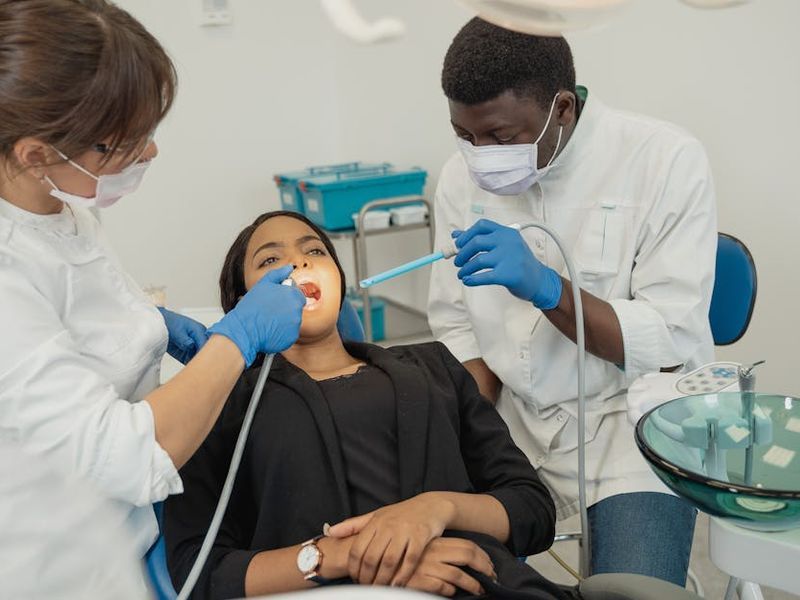
A standard check-up usually involves several steps designed to assess and maintain oral health. Expect the following:
- Medical and dental history review — bring a list of medications and any recent health changes.
- Extraoral and intraoral exam — your dentist checks the face, jaw joints, soft tissues, gums, and teeth for signs of disease or abnormalities.
- Professional cleaning (prophylaxis) — removing plaque and tartar, polishing, and applying fluoride if needed.
- X-rays when necessary — to detect cavities between teeth, bone loss, or other hidden problems.
- Periodontal charting — measuring gum pocket depths for signs of gum disease.
- Treatment planning and advice — from home care tips to scheduling follow-up work like fillings or crowns.
How Cuenca’s environment can influence oral health
Living in Cuenca means adapting to an altitude of roughly 2,500–2,600 meters and a mild, sometimes dry climate. These factors can influence your mouth in subtle ways:
- Dry air and altitude can contribute to dry mouth (xerostomia), increasing cavity risk. Drink plenty of water and consider sugar-free chewing gum with xylitol to stimulate saliva.
- Cultural diets often include fresh fruits and local cuisine; be mindful of frequent snacking on sugary treats which raise decay risk.
- Tap water in Cuenca is generally treated and safe; if you use bottled water, ensure your fluoride intake isn’t inadvertently reduced — ask your dentist whether a fluoride supplement is wise.
Practical tips for expats: finding the right dentist in Cuenca
Choosing a dental practice is a key decision. Here’s how to find a provider that fits your needs:
- Ask fellow expats in Facebook groups and local meetups for recent recommendations. First-hand experiences often highlight communication quality and charger transparency.
- Look for clinics that advertise bilingual staff if your Spanish is limited. Many dentists in Cuenca work with English-speaking patients but confirm before booking.
- Visit a few clinics to compare hygiene standards, facilities, and whether they use modern diagnostic tools like digital X-rays or intraoral cameras.
- Consider a university dental clinic if you want lower-cost care — dental schools in Cuenca provide quality treatment supervised by experienced instructors.
- Check payment methods and whether the clinic accepts international cards, cash in USD, or local currency. Ask about transparent written quotes before any major work.
Costs and insurance: what expats should know
One of the major attractions for many expats is the affordability of dental care in Ecuador compared to North America or Europe. Typical cost patterns include:
- Routine exams and cleanings: often substantially less than in the U.S., but prices vary by clinic and city location.
- Fillings, crowns, and root canals: more affordable than many home countries, but materials (porcelain vs. metal) and lab quality affect price.
- Cosmetic and implant work: good value is available, but always vet the dentist’s portfolio and ask about the lab that fabricates restorations.
Regarding insurance, full private dental insurance is less common in Ecuador. Many expats rely on international plans, local private insurance, or pay out of pocket. If you’re working and contributing to IESS (Ecuador’s social security), some basic dental services may be available through the public system, but wait times and the range of treatments vary. Always verify coverage in advance.
Emergency dental care in Cuenca: handling urgent situations
Dental emergencies — severe pain, swelling, bleeding, knocked-out teeth — require prompt attention. In Cuenca:
- Many private dental clinics offer emergency hours or can fit you in quickly for urgent care.
- The public hospital emergency departments will treat severe dental infections or trauma but may not provide specialized dental repair like crowns or implants.
- For a knocked-out permanent tooth: keep it moist (ideally in milk or saline), avoid touching the root, and get to a dentist within an hour if possible.
- Keep a list of local emergency numbers and a few clinic contacts handy in your phone or printed in your home for quick access.
Preventive steps you can take at home
Regular visits are important, but daily habits make the largest difference. Follow these simple practices to stretch the time between necessary treatments:
- Brush twice daily with fluoride toothpaste and a soft-bristle brush; consider an electric toothbrush for better plaque removal.
- Floss or use interdental brushes daily to clean between teeth where most cavities start.
- Use a fluoride mouthwash if recommended; it helps strengthen enamel.
- Limit sugary drinks and frequent snacks; choose water, unsweetened tea, or fresh fruit instead of sweets when possible.
- Stay hydrated to counteract dry mouth at altitude — and chew sugar-free gum to boost saliva flow after meals.
Cosmetic and major dental work: what expats in Cuenca should consider
Cuenca offers many options for cosmetic dentistry at competitive prices, from whitening to veneers and implants. If you’re considering major work:
- Ask for a treatment plan with timelines, materials used, and clear pricing. Complex procedures often require multiple visits and coordination with dental labs.
- Request before-and-after photos of previous patients and, if possible, contact references.
- Understand the warranty or guarantee on restorative work and the policy for follow-up and repairs.
- If you split time between countries, coordinate care so that critical steps (like implant placement and final crowns) fit your travel schedule and allow proper healing time.
How to prepare for your first appointment in Cuenca
Make the most of your initial visit with these practical steps:
- Bring photo ID, your health insurance card (if using), and a list of current medications and medical conditions.
- If you have dental records or X-rays from another country, bring copies on a USB drive or printed images — they save time and prevent repeat X-rays.
- Communicate clearly about any dental fears; many clinics offer sedation or calming techniques for anxious patients.
- Ask about typical wait times and whether the clinic uses WhatsApp or phone calls for appointment reminders and follow-ups — many practices in Cuenca use WhatsApp extensively.
Final thoughts: making dental care part of your expat routine
Regular dental check-ups are an investment in your long-term health and quality of life. For expats in Cuenca, the combination of affordable care, experienced practitioners, and accessible clinics makes it practical to keep up with routine visits. Prioritize prevention, choose a dentist you trust, and don’t wait for pain to appear — early detection saves money, time, and discomfort. With a bit of planning, you can enjoy excellent oral health while living in one of Ecuador’s most welcoming cities.
Quick checklist before your next dental visit
- Schedule a basic exam and cleaning if it’s been more than 6–12 months.
- Gather medical histories and any past dental X-rays.
- Confirm language support and payment options with the clinic.
- Plan for follow-up treatments if recommended — ask for a written estimate.
- Keep emergency contacts and after-hours clinic numbers accessible.
Maintaining a consistent dental routine while living in Cuenca is simple with the right information and local contacts. Regular check-ups are the cornerstone of lasting oral health — and a small effort today can prevent major dental work tomorrow.
Adam Elliot Altholtz serves as the Administrator & Patient Coordinator of the “Smilehealth Ecuador Dental Clinic“, along with his fellow Expats’ beloved ‘Dr. No Pain‘, right here in Cuenca, Ecuador, and for purposes of discussing all your Dental needs and questions, is available virtually 24/7 on all 365 days of the year, including holidays. Adam proudly responds to ALL Expat patients from at least 7:00am to 9:00pm Ecuador time, again every single day of the year (and once more even on holidays), when you write to him by email at info@smilehealthecuador.com and also by inquiry submitted on the Dental Clinic’s fully detailed website of www.smilehealthecuador.com for you to visit any time, by day or night. Plus, you can reach Adam directly by WhatsApp at +593 98 392 9606 -or by his US phone number of 1‐(941)‐227‐0114, and the Dental Clinic’s Ecuador phone number for local Expats residing in Cuenca is 07‐410‐8745. ALWAYS, you will receive your full Dental Service in English (NEVER in Spanish), per you as an Expat either living in or desiring to visit Cuenca by your Dental Vacation, plus also to enjoy all of Ecuador’s wonders that are just waiting for you to come arouse and delight your senses.