
Table of Contents
Why regular dental check-ups matter for people living in Cuenca
Staying on top of your dental health is more than just avoiding cavities — it influences your general health, confidence, and wallet. For expats living in Cuenca, Ecuador, regular dental check-ups bring added benefits: affordable preventive care, access to skilled practitioners, and early detection of problems that are easier and cheaper to fix than emergency treatments.
This guide explains when to book appointments, what happens at routine visits, how to choose a dentist in Cuenca, and practical tips for expats — from paperwork to prices and language barriers.
How often should you get a dental check-up?
The common recommendation is every six months for a routine cleaning and exam, but individual needs vary. Here are simple rules of thumb:
- Low-risk adults: every 6–12 months.
- People with gum disease, heavy tartar buildup, or rapid decay: every 3–4 months.
- Children: start early (first visit by the first birthday or when the first tooth appears) and visit every 6 months or as recommended by the pediatric dentist.
- Pregnant women: one dental check during pregnancy, ideally in the second trimester, and follow dentist recommendations for cleanings.
- Seniors, diabetics, smokers, and those on certain medications: at least every 3–6 months because of higher risk for periodontal disease and dry mouth.
What happens during a routine dental visit in Cuenca
A typical check-up in Cuenca follows a set pattern designed to spot problems early and maintain oral health. Expect these steps:
- Medical history review: You’ll be asked about medications, allergies, and recent health changes — bring a list of medicines and any chronic conditions.
- Oral exam: The dentist inspects teeth, gums, tongue, and soft tissues for cavities, gum disease, and suspicious lesions (oral cancer screening).
- X-rays: Bitewing or panoramic X-rays may be taken every 1–3 years depending on risk to detect hidden decay, bone loss, or impacted teeth.
- Cleaning (scaling and polishing): A dental hygienist or dentist removes plaque and tartar, then polishes the teeth.
- Fluoride or sealants: Recommended for children or high-risk adults; fluoride varnish strengthens enamel.
- Treatment planning: If issues are found, the dentist discusses options, timelines, and cost estimates.
Costs in Cuenca — what to expect to pay
One reason many expats choose Cuenca is the competitive cost of dental care compared to the U.S., Canada, or Europe. Prices vary by clinic, materials used, and the dentist’s experience, but here are ballpark figures (USD) for common services:
- Routine cleaning: $25–$60
- Standard filling (composite): $40–$90
- Simple extraction: $30–$80
- Root canal: $120–$350 (varies by tooth and complexity)
- Porcelain crown: $220–$500
- Dental implant (complete with implant post + crown): $800–$2,000
- Partial/full dentures: $200–$1,000
These ranges are approximate; always ask for a written estimate and a treatment plan. Many clinics in Cuenca will discuss phased treatment if cost is a concern.
Finding the right dentist in Cuenca — tips for expats
Choosing a dentist is a personal decision. For newcomers in Cuenca, here are practical ways to find a reliable clinic:
- Ask expat groups: Local Facebook groups and expat meetups often have up-to-date recommendations for English-speaking dentists and clinics familiar with international patients.
- Check credentials: Ask the dentist’s cédula or registration with the Colegio de Odontólogos (the local dental board). Most reputable clinics display certifications or membership information.
- Visit the clinic first: A short visit to check cleanliness, equipment (digital X-rays, sterilization), and staff communication can reveal a lot.
- Look for English-speaking staff: While many dentists speak some English, request an English-speaking hygienist or translator if you’re worried about language-related misunderstandings.
- Read online reviews cautiously: Reviews help but verify multiple sources and consider how the clinic responds to complaints.
Where to go — public vs private dental care in Cuenca
Cuenca offers public dental services through IESS (Ecuador Social Security) for those enrolled, municipal clinics, and numerous private practices. Each option has pros and cons:
- IESS/public clinics: Lower out-of-pocket costs for IESS members, but longer wait times and more limited scheduling. Ideal for essential treatments and routine check-ups if you’re enrolled in the system.
- Private clinics: Faster appointments, more flexible scheduling, modern equipment, and often English-friendly staff. Prices are higher but still usually less than comparable care in North America or Europe.
For complex restorative work (implants, crowns) many expats choose private clinics for quicker turnaround and more personalized care.
Emergency dental care: what qualifies and where to go
Dental emergencies typically include severe pain, swelling, bleeding, knocked-out teeth, or an abscess. In Cuenca you have options:
- Private clinic emergency hours: Some clinics offer extended or weekend hours for urgent care — call ahead to confirm.
- Hospital emergency rooms: For severe infection with systemic symptoms (fever, spreading swelling), visit a hospital emergency department.
- Temporary relief: If you have a painful tooth, rinse with warm salt water, use over-the-counter pain relief, and avoid placing aspirin directly on the gums. Seek professional care within 24–48 hours.
Language, payment, and paperwork: practical tips
To make dental visits smoother in Cuenca, prepare these items:
- ID: passport or Ecuadorian cédula for registration and insurance paperwork.
- Medication list and allergies: printed for the dentist to review.
- Insurance card: If you’re covered by IESS or a private insurer, bring proof and ask which services are reimbursable.
- Payment methods: Most clinics accept cash (USD), local debit/credit cards, and bank transfers. Cash often speeds transactions and may be cheaper — ask about discounts for cash.
- Language help: Bring a bilingual friend or ask if the clinic has staff who speak English. Many expats rely on community recommendations for English-friendly clinics.
Preventive strategies you can use between check-ups
Regular check-ups are essential, but daily habits make the biggest difference in oral health. Incorporate these practical measures while you’re in Cuenca:
- Brush twice daily with fluoride toothpaste and a soft-bristle brush. Brands like Colgate and Sensodyne are widely available in local pharmacies and supermarkets.
- Floss once daily to remove plaque between teeth. Interdental brushes are useful for larger gaps.
- Limit sugary snacks and sodas. Ecuadorian fruit juices can be high in sugar — rinse or drink water after consuming them.
- Use mouthwash with fluoride if recommended by your dentist.
- Drink bottled or boiled water if you’re unsure about local tap water. Don’t rely on water fluoridation; Ecuador’s municipal water is not universally fluoridated.
Special considerations for families and seniors
Family dental care needs differ, and Cuenca’s clinics can accommodate various age groups:
- Children: Pediatric dentists offer child-friendly care, fluoride varnish, and sealants. Early dental visits set a positive tone and allow parents to learn proper care techniques.
- Pregnant women: Routine cleanings are safe and recommended; inform your dentist about pregnancy to avoid elective X-rays and certain medications.
- Seniors: Watch for dry mouth (xerostomia) from medications, gum recession, and wear on teeth. Dentures require regular checks and relining; many clinics in Cuenca specialize in prosthodontics for older adults.
Cosmetic and restorative care — what to expect in Cuenca
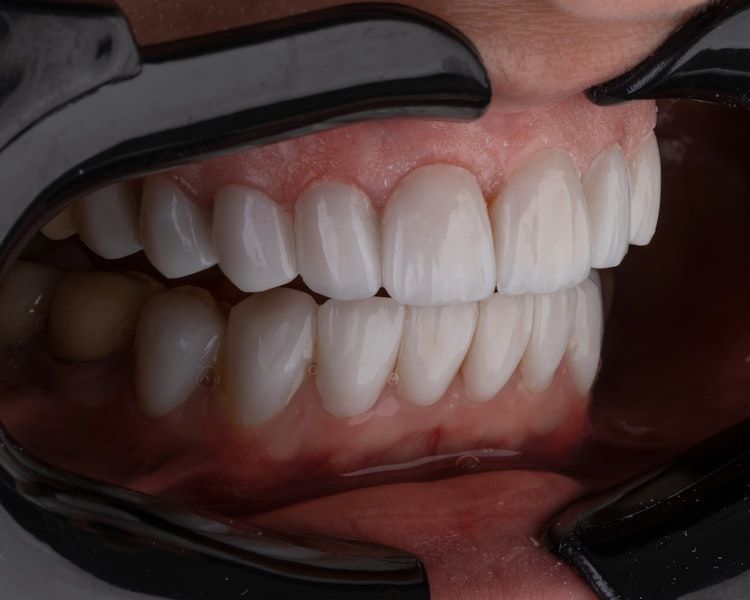
Many expats explore cosmetic treatments in Cuenca because of cost savings. Common procedures include teeth whitening, veneers, crowns, and implants. If you’re considering cosmetic work:
- Request before-and-after photos of previous patients at the clinic.
- Ask about materials and warranties for crowns and implants.
- Find out how long the process will take — some labs may send crowns out of town, increasing turnaround time.
- Consider multiple opinions on complex restorative plans; most dentists will provide a detailed treatment plan and cost estimate.
Safety, sterilization, and quality control
In reputable Cuenca clinics you can expect modern sterilization protocols: autoclaves, single-use disposables when appropriate, and strict infection control. Don’t hesitate to ask about sterilization procedures if you’re unsure — a professional clinic will welcome the question and show you protocols.
How to handle dental anxiety and sedation options
If dental anxiety keeps you from routine care, many clinics in Cuenca offer gentle approaches:
- Relaxation techniques and step-by-step explanations.
- Nitrous oxide (laughing gas) for mild sedation.
- Oral sedatives prescribed ahead of time.
- Referral to a specialist for IV sedation if needed for extensive work.
Discuss your concerns openly — dentists who treat expats frequently understand anxiety and can tailor the experience.
Final checklist before your visit
Use this quick checklist to prepare for your first (or next) dental appointment in Cuenca:
- Call ahead and confirm whether staff speak English or if you need a translator.
- Bring ID, insurance cards, medication lists, and previous dental records or X-rays if available.
- Ask for a written estimate and treatment timeline before agreeing to major procedures.
- Confirm payment methods and whether a deposit is required for extensive treatments.
- Plan for aftercare — arrange transport if you’ll receive sedation or if you expect significant discomfort.
Conclusion: make dental check-ups a stable part of expat life in Cuenca
Regular dental visits are one of the most cost-effective ways to protect your long-term health, save money, and avoid painful emergencies. Cuenca has a strong pool of qualified dentists, modern clinics, and affordable prices that make routine care accessible for expats. With a little preparation — choosing the right clinic, bringing essential documents, and maintaining daily oral care — you’ll find dental care in Cuenca easy to manage and an important part of a healthy expat lifestyle.
Book that first check-up, ask questions, and enjoy the peace of mind that comes with preventive dental care. Your smile — and your future dental bill — will thank you.