
Table of Contents
Why regular dental check-ups matter — even after you’ve moved to Cuenca
Moving to Cuenca is an exciting chapter: beautiful plazas, springlike weather year-round, and a slower pace of life. It’s easy to let routine health appointments slide when you’re busy settling in. But oral health affects more than your smile — it impacts your nutrition, sleep, heart health and quality of life. For expats, regular dental check-ups become even more important: you may have different diet habits, new local water, or a different healthcare system to navigate. Keeping up with dental care prevents small problems from turning into costly and painful emergencies.
How often should you get a dental check-up?
General guidance applies in Cuenca as it does elsewhere: for most healthy adults, a dental check-up every six months is recommended. That usually includes a cleaning (prophylaxis), an oral exam, and any necessary X-rays. However, your personal needs may require more frequent visits:
- Every 3–4 months: if you have active gum disease (periodontitis) or a history of repeated cavities.
- Every 4–6 months: if you’re pregnant — pregnancy can increase gum inflammation.
- Every 6–12 months: typical for people with excellent oral health and no high-risk factors.
- Immediately: for emergencies like a knocked-out tooth, severe pain, swelling or signs of infection.
What happens during a typical check-up in Cuenca
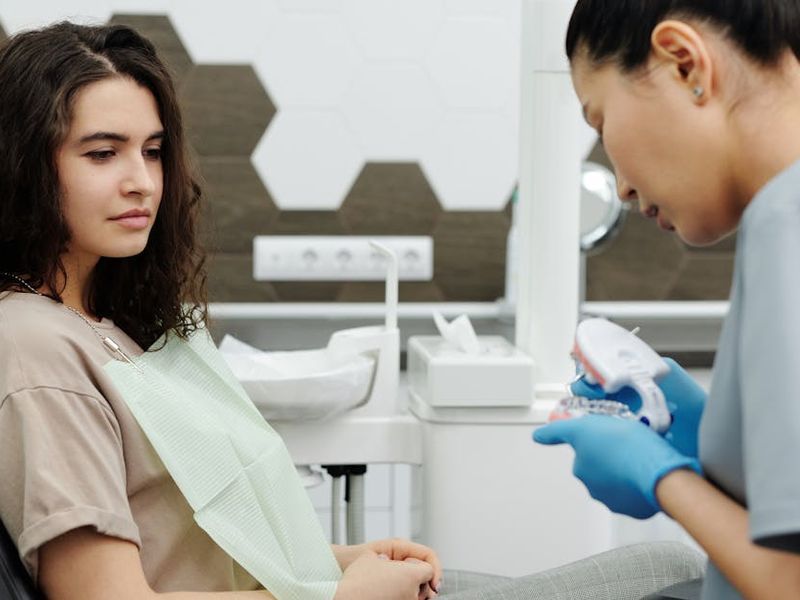
A standard appointment in a private Cuenca clinic generally follows the same structure you’ll find internationally, and clinics near the historic center and in neighborhoods like San Sebastián typically speak enough English for expats to get by:
- Medical/dental history review — bring any previous records or a list of medications.
- Clinical examination — the dentist checks teeth, gums, jaw joints and soft tissues for signs of disease.
- Cleaning (scaling and polishing) — removes plaque and tartar that brushing misses.
- X-rays if needed — bitewings or panoramic images to find cavities between teeth or hidden problems.
- Treatment plan and quotes — if you need restorative work, the dentist will outline options and costs.
Expect appointments to be efficient but thorough; many clinics in Cuenca pride themselves on modern equipment and sterilization standards. If you’re unsure about anything, ask the dentist to explain procedures in plain English or request a translator through the clinic.
Costs and payment: what expats should know
One of the advantages of living in Cuenca is that dental care is often substantially cheaper than in the U.S. and Canada, which is why many Americans and Canadians consider dental work here. Typical price ranges (approximate and subject to change) are:
- Routine check-up and cleaning: often $20–$60 in private clinics.
- X-rays: $10–$50 depending on the type.
- Fillings: $30–$150 depending on material and size.
- Root canal therapy: $150–$500 depending on tooth and complexity.
- Crowns/bridges: $200–$700 per unit (materials and lab used affect price).
- Implants: $800–$2,000+ depending on implant system and bone grafting needs.
These are ballpark figures — always get a written estimate and compare clinics. Many practices accept cash, local debit/credit cards and international cards. Some clinics offer payment plans, and a cash discount is sometimes available. If you’re affiliated with Ecuador’s social security system (IESS), basic dental services may be covered through public channels, but wait times and availability differ from private clinics.
Choosing a dentist in Cuenca: practical steps
Finding the right dentist is about more than price. Here’s how to choose one that fits your needs:
- Ask expat groups and neighbors for recommendations — forums and Facebook groups for Cuenca expats are excellent resources.
- Visit the clinic first — see if it feels clean and professional; check how staff treat patients.
- Confirm credentials — Ecuadorian dentists should be registered with the Ministerio de Salud or Colegio de Odontólogos; don’t hesitate to ask about training or specializations.
- Discuss language — ask if the dentist or staff speak English or if they provide translation.
- Compare technologies — a modern clinic will have digital X-rays, up-to-date sterilization and clear treatment plans.
- Request references or before/after photos for major treatments like implants.
Navigating the public system: IESS and municipal clinics
If you’re a contributing member of IESS (Ecuador’s social security), you may be eligible for dental care through their network. Public dental services are generally low-cost or subsidized, and they can be a good option for routine care. Keep the following in mind:
- Appointments can take longer to schedule and may be less flexible than private clinics.
- Some advanced treatments or cosmetic procedures may not be covered.
- Bring your identification and documentation proving IESS affiliation.
For many expats without IESS or those who prefer faster appointments, private clinics in Cuenca’s Centro or San Sebastián provide convenience and shorter wait times.
When to seek urgent dental care in Cuenca
Recognizing emergencies can save teeth and prevent infection. Seek urgent care in Cuenca if you have:
- Severe, persistent tooth pain that doesn’t respond to over-the-counter medication.
- Swelling of the face or neck, which could signal an abscess or spreading infection.
- A knocked-out tooth — if you can, keep it moist (milk or saliva) and see a dentist ASAP; reimplantation is possible within a few hours.
- Heavy bleeding after an extraction or trauma.
- Signs of systemic infection — fever with oral symptoms warrants immediate attention or emergency room visit.
Many private dental offices offer emergency appointments or can direct you to an emergency dental provider. Save a few local clinic numbers in your phone and ask your neighborhood expat community for reliable 24-hour services.
Special considerations for families and seniors
Cuenca attracts retirees and families alike. Here’s what to keep in mind for different age groups:
For children
Start dental visits early. Pediatric dentists are available in Cuenca and will advise on fluoride use, sealants and diet. Many expats find private pediatric clinics near residential neighborhoods more welcoming for young children than busy public clinics.
For seniors
Seniors often require more frequent cleanings due to dry mouth from medications, receding gums, and an increased risk of root decay. If you wear dentures, regular check-ups ensure fit and comfort. For implants or extensive restorations, look for dentists experienced in geriatric care and implant-supported prosthetics.
Prevention tips that work well in Cuenca’s climate and lifestyle
Small daily habits go a long way. Living at around 2,500 meters above sea level, Cuenca’s climate can be drier than coastal areas, which may contribute to dry mouth — a risk factor for cavities and bad breath. Practical prevention steps:
- Hydrate regularly — carry a water bottle and sip throughout the day.
- Brush twice daily with fluoride toothpaste and floss at least once a day; interdental brushes are especially useful for gaps common with aging teeth.
- Limit sugary snacks and the frequent sipping of sweetened drinks — Ecuadorian fruit juices and panela drinks are delicious but can be high in sugar.
- Use sugar-free gum with xylitol after meals if brushing isn’t possible — it stimulates saliva flow.
- Ask your dentist about topical fluoride or sealants if you have a history of cavities.
Dental tourism: why some expats choose Cuenca for major work
Many North American and European retirees in Cuenca choose to have major dental work done locally because of cost savings and the chance to combine treatment with travel. If you consider this, be mindful:
- Plan for follow-up care — implants and complex restorations require multiple visits and good communication between your home dentist and the Cuenca provider.
- Look for extensive before/after documentation and patient testimonials.
- Ask about warranties and emergency coverage for complications that might occur after you return home.
- Verify the lab used for crowns and the type of materials; higher-quality ceramic options may cost more but last longer.
Language and communication — useful Spanish phrases for dental visits
Having some dental Spanish helps. Here are a few phrases and words you might use or encounter:
- “Tengo dolor de muela” — I have a toothache.
- “Necesito una limpieza” — I need a cleaning.
- “¿Cuánto cuesta esto?” — How much does this cost?
- “¿Ofrecen radiografías?” — Do you offer X-rays?
- “Me duele cuando como frío/caliente” — It hurts when I eat something cold/hot.
Many clinics have English-speaking staff, but being prepared will make appointments smoother and show respect for your providers.
Record-keeping and continuity of care
Bring copies of your dental records from your home country if possible. Previous X-rays and treatment histories help new dentists create accurate plans and avoid unnecessary repeat procedures. If you don’t have old records, ask your current Cuenca dentist to keep detailed digital files you can request later.
Final checklist for your first dental visit in Cuenca
- Bring ID, any insurance/IESS cards, a list of medications and previous dental records.
- Wear comfortable clothing and arrive 10–15 minutes early for new patient paperwork.
- Discuss language needs and request written treatment plans and cost estimates.
- Ask about sterilization protocols and the materials used for restorations.
- Inquire about follow-up care and emergency contact procedures.
Regular dental check-ups are an investment in your long-term health and comfort. In Cuenca, you’ll find a range of options — from public clinics to modern private practices geared to expats — that make staying on top of oral care both affordable and convenient. Whether you’re newly arrived or have lived here for years, schedule that exam: it’s one of the simplest ways to protect your smile and keep enjoying life in this beautiful city.