
Table of Contents
Introduction: Why Compare Cuenca and Canadian Cities?
Deciding where to spend your retirement isn’t just an emotional choice — it’s a financial one. Cuenca, Ecuador has become a favorite among North American retirees because of its mild climate, historic center and lower day-to-day costs. But how much cheaper is it, really, compared to living in major Canadian cities like Toronto, Vancouver or Montreal? This article breaks down the numbers, explains the practical trade-offs, and gives realistic budgets and tips tailored to retirees.
Quick Snapshot: Typical Monthly Budgets
Below are illustrative monthly budgets for a single retiree living modestly-to-comfortably. All figures are approximate and meant to show relative scale, not exact quotes.
Cuenca, Ecuador (comfortable, private healthcare insurance)
- Rent (one-bedroom central): $450–$800 USD
- Utilities (electric, water, gas, internet): $60–$130 USD
- Groceries and eating out: $200–$350 USD
- Local transport & taxis: $20–$60 USD
- Health insurance / out-of-pocket care: $100–$300 USD
- Leisure, extras, contingencies: $100–$250 USD
- Estimated total: $930–$1,990 USD/month
Toronto, Canada (similar lifestyle)
- Rent (one-bedroom downtown): CAD 1,900–2,500 (≈ $1,390–$1,825 USD)
- Utilities & internet: CAD 150–200
- Groceries & restaurants: CAD 400–600
- Transit & taxis: CAD 120–200
- Health-related expenses (no universal prescription coverage): CAD 100–300
- Leisure & extras: CAD 200–400
- Estimated total: CAD 2,870–4,200 (≈ $2,100–$3,070 USD)/month
As these ranges show, many retirees can expect their monthly living costs in Cuenca to be roughly 40–60% of what they would pay in large Canadian cities, depending on housing choices and medical needs.
Housing: Rent and Purchase Differences
Housing is where the biggest gap appears. Ecuador uses the U.S. dollar, so rents are quoted in USD. In Cuenca, a well-located one-bedroom apartment in the historic center or a safe residential neighborhood commonly rents from about $450 to $800. Outside the core, two-bedroom apartments can sometimes be had for $300–$600.
In contrast, major Canadian cities command much higher rents — often double or triple Cuenca prices for similar-sized apartments. If you plan to buy, Cuenca’s prices per square meter for comfortable apartments are generally lower than Canadian metros, though desirable historic properties in the city center can be pricey.
Neighborhoods to Consider in Cuenca
- Centro Histórico: Charming, walkable and full of services — slightly higher rent but worth it for many retirees.
- Ricaurte & Surrounding Residential Areas: Less touristy, more local markets and lower rent.
- El Vergel and Suburban Zones: Newer apartment blocks and quieter streets, often more space for your money.
Healthcare: Access, Costs and Insurance
Healthcare quality in Cuenca is one of the main draws: there are modern private clinics, specialists who trained abroad, and lower procedure costs than in Canada. Routine doctor visits can be $20–40, specialist consultations $40–100, and dental care often costs a fraction of Canadian prices.
That said, how you access care depends on residency and insurance. Ecuador has a public system (IESS) for contributors and a private sector available to anyone willing to pay. Many expat retirees choose private insurance for peace of mind, international coverage for major procedures, or pay cash for routine care. If you have a Canadian provincial health plan, remember it generally won’t cover care abroad — so include private insurance or a medical fund in your budget.
Practical healthcare tips
- Bring a full list of your prescriptions and their generic names; many medications are available at lower cost but under different brand names.
- Buy or maintain supplemental travel/expat health insurance before you lose Canadian residency coverage, if applicable.
- Check hospitals and clinics near where you plan to live; visit one before committing to a long-term rental.
Daily Living: Food, Transportation and Services
Food costs in Cuenca are low if you shop local. Farmers’ markets and neighborhood tiendas offer fresh produce at great prices — a big reason many retirees enjoy a higher-quality diet for less money. Imported groceries (European cheeses, North American staples) are more expensive.
Public transport in Cuenca is inexpensive; bus fares are typically a few dozen cents. Taxis are affordable for short trips. Many retirees either walk or use taxis for convenience; car ownership is an option but remember costs for insurance, parking and maintenance.
Household services and utilities
- Electricity: Moderate — Ecuador has subsidized rates for many households, but heating isn’t usually needed in Cuenca’s spring-like climate.
- Internet: Reliable fiber or DSL packages are common and cost far less than in many Canadian cities.
- Domestic help: Many retirees opt for occasional cleaning or assistance at reasonable rates compared to Canadian wages.
Taxes and Financial Considerations
Taxes are complex and depend on residency status. Canada taxes residents on worldwide income, while Ecuador taxes residents on income earned in the country and — for tax residents — on worldwide income above certain thresholds. If you plan to become an Ecuadorian resident, talk with cross-border tax advisors to avoid surprises around pensions, investment income and tax reporting.
Currency risk is another practical point: Ecuador uses the U.S. dollar, which protects against local currency volatility but means your Canadian pension will be subject to CAD→USD exchange rates. As of the time of writing, one Canadian dollar typically converts to roughly 0.73–0.75 U.S. dollars — monitor this when budgeting.
Banking and money transfer tips
- Set up a local bank account if you’ll be in Ecuador long-term — it simplifies paying rent and utilities.
- Use low-fee international transfer services instead of regular bank transfers to cut costs when converting pension payments.
- Keep emergency funds in both Canadian and U.S. dollar-denominated accounts for flexibility.
Safety, Climate and Health Considerations
Cuenca is widely regarded as one of Ecuador’s safer cities, with a strong local police presence and a welcoming community vibe. As with any city, petty crime such as pickpocketing can occur — use common-sense precautions, particularly in crowded tourist areas and on public transit.
At 2,560 meters (about 8,400 feet) above sea level, Cuenca’s altitude can affect newcomers. Many retirees adapt without problems, but if you have heart or respiratory issues, consult your doctor about altitude-related risks before moving.
Social Life, Language and Cultural Fit
Cuenca boasts an active expatriate community — including many Canadians — and numerous social clubs, language schools and volunteer opportunities. Learning Spanish will dramatically improve your experience and reduce costs (e.g., you’ll be less likely to pay tourist rates and better able to navigate healthcare).
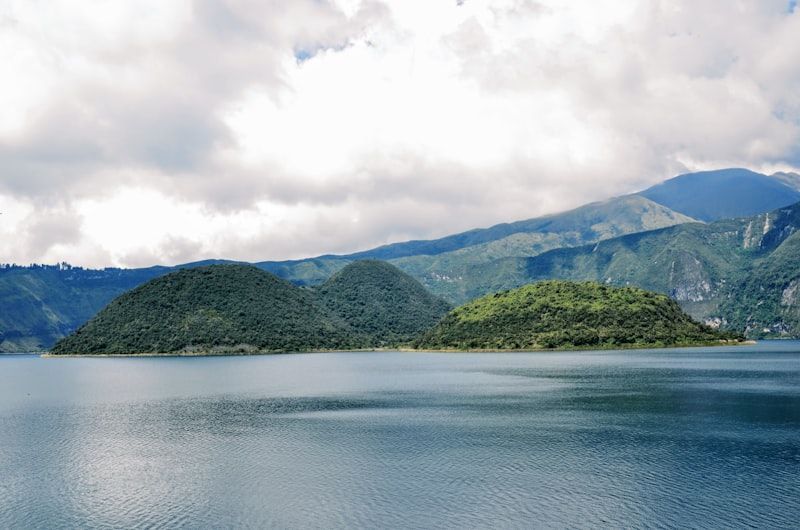
Cultural offerings are rich: museums, markets, festivals and a lively café scene. If you enjoy walking, many areas are highly pedestrian-friendly. For retirees who like outdoor activities, the surrounding Andean scenery offers hiking and day-trip possibilities.
Sample Decision Scenarios
Here are three realistic scenarios that may help frame your choices:
- Cost-focused retiree: If your goal is to stretch a fixed pension, Cuenca’s lower housing, food and service costs can allow for a comfortable middle-class lifestyle with money leftover for travel or health care.
- Healthcare-first retiree: If you require frequent specialist care covered by a provincial plan, staying in Canada may be simpler. However, Cuenca’s private medical costs and clinics are an attractive alternative if you secure good private insurance.
- Part-year resident: Some retirees split time between Canada and Cuenca. This can preserve Canadian residency and health coverage while giving you months of lower-cost living. Be mindful of tax residency rules and insurance coverage during absences.
Practical Moving Checklist for Retirees
Thinking about making the leap? Here’s a compact checklist to prepare for a move to Cuenca:
- Visit first for an extended stay (3–6 months) to try neighborhoods and healthcare options.
- Consult a tax advisor experienced in Canadian–Ecuadorian issues before changing residency.
- Gather medical records and prescription lists; learn generic drug names.
- Arrange international health insurance (temporary or long-term) before leaving Canada.
- Plan finances: test money-transfer services and open a local bank account once resident.
- Learn Spanish basics — classes on arrival will expedite settling in.
- Check visa/residency requirements: the pensioner (pensionado) route is common for retirees, but rules change — always verify current immigration requirements.
- Factor in airfares for family visits and potential emergency travel back to Canada.
Final Comparison: What Your Monthly Pension Might Buy
As a high-level rule of thumb, a Canadian pension that supports a comfortable lifestyle in a mid-size Canadian city will usually allow at least the same comfort — and often more — in Cuenca. For many Canadian retirees, the decision becomes less about absolute affordability and more about lifestyle, climate, healthcare needs and how important proximity to family is.
If you’re aiming to maintain a similar standard to living in Toronto or Vancouver, Cuenca can often deliver that standard for roughly half the cost, especially when it comes to housing and services. Montreal and smaller Canadian cities are closer in cost but still typically more expensive than Cuenca overall.
Closing Thoughts and Next Steps
Cuenca offers a compelling blend of affordability, culture and medical services that make it an attractive option for Canadian retirees. The financial advantage is meaningful, but it’s most powerful when combined with good planning: visit first, secure sensible insurance, work with tax professionals, and test the lifestyle before you commit.
Use the budgets and tips here as a starting point. If you’re serious about moving, create a detailed personal budget (include medical scenarios), plan multiple exploratory visits and connect with expat groups in Cuenca to get real-time, ground-level advice. With preparation, many retirees find that their pensions go much further — and their quality of life improves — after a move to Cuenca.