
Table of Contents
Why Cuenca Appeals to American Retirees
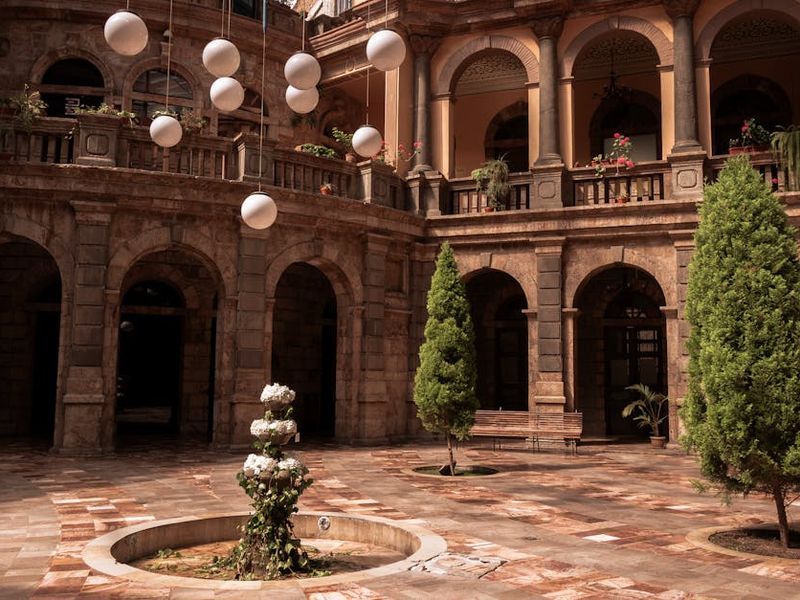
Cuenca, Ecuador, routinely tops lists of retiree-friendly cities thanks to its mild climate, colonial architecture, and active expat community. For many Americans the decision comes down to dollars and lifestyle: can a fixed retirement income deliver a higher quality of life in Cuenca than back home? This article breaks down the real expenses—housing, healthcare, groceries, transportation, taxes, and lifestyle—and compares typical budgets in Cuenca with those in several U.S. cities to help you decide.
Snapshot: Typical Monthly Budgets
Every retiree’s lifestyle is different, but a few example budgets help illustrate how far your money can go. These are approximate, conservative estimates in U.S. dollars and assume a couple living modestly but comfortably.
- Cuenca (modest): $1,200–$1,800/month — small furnished apartment, groceries, basic healthcare, local transport, dining out occasionally.
- Cuenca (comfortable): $2,000–$3,000/month — two-bedroom apartment in a popular expat neighborhood, private local health insurance, dining out, some travel and services.
- Typical U.S. mid-sized city (e.g., Asheville, NC): $3,000–$4,500/month — mortgage or rent, utilities, health insurance premiums, car ownership.
- Sunbelt/retirement hubs (e.g., Phoenix, Tampa): $3,500–$5,500/month — higher housing and healthcare costs depending on neighborhood.
- High-cost metros (e.g., San Francisco, NYC): $6,000+/month — housing dominates the budget.
These ranges are illustrative—your mileage will vary depending on housing choices, medical needs, travel plans, and whether you bring a car.
Housing: Rent and Buying Differences
Housing is the largest expense for most retirees. In Cuenca you’ll find a range from basic studios to elegant restored colonial apartments. Popular neighborhoods for expats include the Historic Center (El Centro) with its plazas and churches, Yanuncay and Ricaurte on the east and west flanks that offer quieter residential streets, and Turi on the hill for panoramic views.
Renting in Cuenca
Typical monthly rents (estimates):
- Small studio in or near El Centro: $300–$500
- One-bedroom apartment in a good neighborhood: $400–$700
- Two-bedroom modern apartment or house: $600–$1,200
- Furnished colonial apartment in a prime location: $800–$1,500
Many expats negotiate directly with landlords and can secure discounts for longer leases. Furnished places tend to be slightly higher but often include basic utilities.
Buying Property
Property prices in Cuenca are substantially lower than in U.S. coastal metros. A modest condo or house outside the historic center can cost a fraction of equivalent U.S. real estate, but prices vary widely by neighborhood, age of the building, and condition. If buying, budget for closing costs, property taxes, and occasional renovations. Hiring a trusted local attorney and bilingual realtor is essential.
Healthcare: Quality, Access, and Cost
Cuenca is known for accessible private clinics and hospitals that serve both locals and foreigners. While you should not assume equivalence with every U.S. specialty hospital, many expats report excellent care for routine and urgent needs at a fraction of U.S. prices.
Typical Costs
- Private general practitioner visit: $20–$50
- Specialist visit: $30–$80
- Dental cleaning: $25–$60; crowns and implants substantially less than U.S. prices
- Elective or major surgery: often 30–60% below comparable U.S. costs
Many expats purchase international health insurance for catastrophic coverage and use local clinics for everyday care. Others buy local private plans or join Ecuador’s public health system (IESS) if eligible. Because regulations and options change, consult a healthcare advisor before you move.
Groceries, Dining, and Daily Living
One of Cuenca’s biggest savings comes from food. Fresh fruits, vegetables, and local staples are inexpensive and high quality, thanks to Ecuador’s agricultural regions. Imported goods—specialty cheeses, certain cereals, name-brand items—cost more and can be a significant portion of your grocery bill if you buy them regularly.
Cost Examples
- Local market produce: often under $1 per kilo for many items
- Bread, milk, eggs, and staples: cheaper than most U.S. grocery stores
- Casual local restaurant (almuerzo, set lunch): $2–$4
- Mid-range restaurant dinner for two: $20–$40
Eating out frequently at international restaurants or buying imported wines will bring your costs closer to U.S. levels, so balance is key. Using local markets and mastering a few Ecuadorian recipes helps stretch a pension.
Transportation and Mobility
Cuenca is compact and walkable in many neighborhoods, which reduces dependence on cars. Public buses are inexpensive, and short taxi rides rarely exceed a few dollars. Many expats choose not to own a car unless they travel frequently around the country.
Typical Transport Costs
- Local bus fare: under $0.50 per ride
- Taxi from downtown to neighborhoods: $1–$5 depending on distance
- Monthly car ownership (if purchased): insurance, maintenance, fuel—factor in import taxes and paperwork when buying a used car from abroad
If you plan to maintain a car registered in the U.S., remember costs of international travel and insurance. For local living, many retirees use taxis, rideshares, or a driver for occasional excursions.
Services, Utilities, and Home Help
Domestic help, cleaning, and other services are more affordable in Cuenca compared to many U.S. cities. Many retirees hire housekeepers, gardeners, and drivers on a part-time basis; bargaining and clear expectations are customary.
Utilities and Connectivity
- Electricity: varies—usually modest for efficient apartments (higher if using hot water frequently)
- Water: typically low cost
- Internet and cable: reasonably priced; reliable in most central neighborhoods
Budget $60–$150/month for utilities and internet in most apartments; costs rise with size and air conditioning usage (rare in Cuenca’s mild climate).
Taxes, Residency, and Banking Considerations
U.S. citizens must continue filing federal tax returns on worldwide income. Ecuador taxes residents on Ecuador-source income, but tax rules and rates can be complex and subject to change. Many retirees live on U.S. Social Security and pensions, and how those are taxed depends on treaties and local regulations. Always consult an international tax advisor.
Residency Options
The most common path for retirees is the pensioner (pensionado) visa, which typically requires proof of a stable, recurring income such as Social Security or a private pension. Requirements, thresholds, and processing steps can change, so check the latest with the Ecuadorian consulate. Residency simplifies banking, healthcare enrollment, and property transactions.
Quality of Life: Safety, Community, and Climate
Cuenca scores highly on many quality-of-life measures for retirees: a temperate climate year-round, scenic colonial architecture, and an active arts scene. A sizable expat community provides social opportunities—language exchanges, clubs, and meetups—while local cultural festivals and markets enrich daily life.
Safety and Practicalities
As with any city, safety varies by neighborhood and time of day. Many expats feel comfortable walking in well-trafficked areas and rely on local advice for safer neighborhoods. Learn basic Spanish phrases, be street-smart, and scout neighborhoods at different times to get a realistic feel before committing.
Altitude and Health
Cuenca sits at around 2,500 meters (about 8,200 feet). The climate is spring-like but the altitude can affect newcomers—expect shortness of breath and fatigue initially if you’re not acclimatized. Discuss chronic conditions with your doctor before moving and give yourself weeks to adapt.
Side-by-Side: What You Might Trade
Choosing Cuenca often means trading convenience for lifestyle gains. You’ll likely enjoy lower housing and daily living costs, a slower pace, and a tight-knit community. Downsides may include fewer brand-name goods, differences in bureaucratic processes, and a learning curve in healthcare navigation and local systems.
Practical Trade-Offs
- Lower costs versus different standards for certain services
- Walkable lifestyle and public transit versus car-dependency in many U.S. suburbs
- Strong local produce and markets versus limited selection of specific imported items
Tips to Make Your Money Go Further in Cuenca
Maximize savings without sacrificing comfort by following these practical tips:
- Choose a neighborhood that fits your mobility needs—walkable central areas reduce transport costs but can be noisier.
- Rent first before buying; try several neighborhoods for months to discover what suits your lifestyle.
- Buy local produce and patronize mercado stalls to cut grocery costs and enjoy fresher food.
- Consider a combination of local health plans and international insurance for catastrophic coverage.
- Learn Spanish basics—language skills make everyday interactions easier and can reduce service costs.
- Negotiate longer lease terms with landlords for lower monthly rents.
- Use taxis and public transport instead of purchasing and maintaining a car unless you have frequent travel needs.
Final Considerations: Is Cuenca Right for You?
If your retirement priorities include stretching a fixed income, enjoying a mild climate, and living in a walkable city with strong cultural offerings, Cuenca is a compelling option. The savings on housing, food, and services can be significant when compared to many U.S. cities, and the trade-offs are often manageable with planning and local help.
Before deciding, visit for an extended stay, time different neighborhoods, consult healthcare and tax professionals, and test your comfort with the altitude and local systems. With thoughtful planning, many American retirees find that Cuenca offers not just a lower cost of living but a chance at a richer daily life for the same or lower monthly budget than many places in the United States.
Remember: exact costs vary with personal choices and changing market conditions, so treat these figures as starting points for your own research and budgeting.