
Table of Contents
Why Americans Are Talking About Cuenca
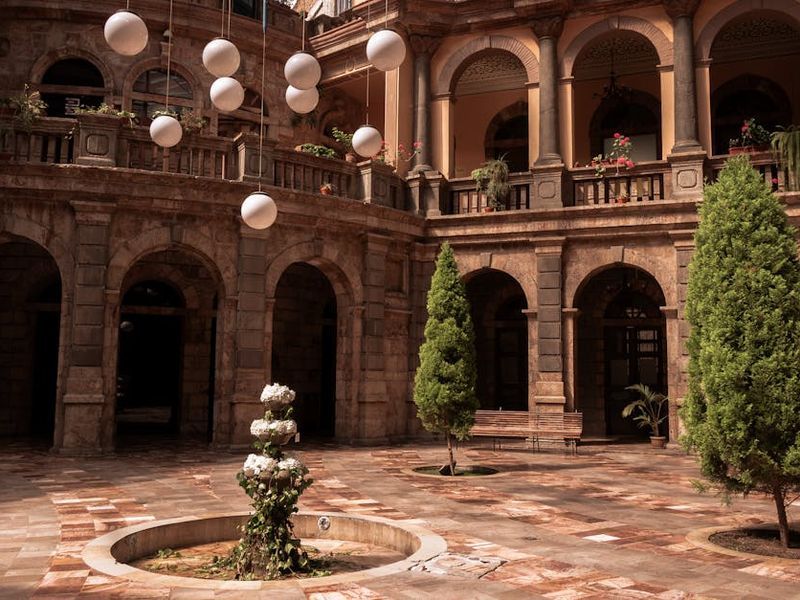
Cuenca, Ecuador attracts retirees for obvious reasons: temperate weather, colonial charm, and a lower cost of living than most U.S. cities. But “cheaper” doesn’t tell the whole story. This guide breaks down real expenses, gives concrete monthly budgets, and compares what a retiree’s dollar buys in Cuenca versus common U.S. retirement destinations.
Quick snapshot: What to expect financially
In Cuenca you’ll typically pay far less for housing, food, transportation, and services. However, healthcare choices, imported goods, and lifestyle preferences can narrow the gap. Below are typical ranges you’ll see in Cuenca, followed by side-by-side comparisons with U.S. cities to help you make a realistic plan.
Typical monthly costs in Cuenca (ballpark)
- Modest one-bedroom apartment (furnished, central): $350–650
- Comfortable two-bedroom apartment or small house: $600–1,300
- Utilities (electric, water, trash) and modest heating: $30–85
- High-speed internet and mobile plan: $25–60
- Groceries for two (mostly local products): $250–450
- Dining out (mix of mercado food and restaurants): $80–250
- Local transportation (buses, occasional taxi): $20–80
- Private health visits & medications (without insurance): $50–200
Housing: Rent and purchase realities
Housing is the biggest single area where you’ll feel the savings. In the historic center and popular expat zones, a well-located 1–2 bedroom furnished apartment rents for roughly $350–900 per month depending on size and finish. Move to newer suburban developments or rent a house outside the center, and you’ll find 2–3 bedroom properties in the $700–1,500 range.
If you’re thinking of buying, expect lower sticker prices than most U.S. cities. Small condos or older houses commonly sell in the $40,000–120,000 range; newer developments and riverfront properties cost more. Real-estate prices vary by neighborhood, condition, and proximity to services, but many retirees find comfortable, well-built housing without paying the six-figure sums they’d face in the U.S.
US comparison
Compare that with popular U.S. retirement cities: a one-bedroom apartment in Phoenix, AZ or Tampa, FL frequently lists for $1,100–1,500; in pricier cities (San Diego, Boston, Seattle) rents are often $1,700+. Owning a comparable property in many U.S. markets easily runs into the mid-six figures.
Food and groceries: Local markets vs imported items
Cuenca’s weekly markets and local supermarkets make fresh produce, meat, and staples inexpensive. A basic market lunch at a local comedor often costs $2–4, and a mid-range restaurant dinner runs $8–20 per person. That means couples who cook most meals at home and enjoy occasional restaurant nights can keep monthly food costs comparatively low.
Imported items—European cheeses, specialty coffees, wine, designer goods—still carry a premium. If you crave the same imported groceries you found in the U.S., plan for higher bills in that category.
Healthcare and insurance: Costs and quality
One of Cuenca’s strongest draws is affordable private healthcare. The city has numerous private clinics, dental offices, and specialists. Routine doctor’s visits and many procedures often cost a fraction of U.S. prices, and dental work is particularly cost-effective. Some expats use Ecuadorian private care combined with international travel for major procedures.
Health insurance options range from local private plans to international policies. Local private insurance premiums are generally lower than U.S. rates but vary based on age and coverage. Important: Medicare does not cover healthcare outside the U.S., so prospective emigrants should evaluate international insurance or local plans before relocating.
US comparison
In the U.S., even after Medicare eligibility, out-of-pocket costs, premiums, and supplemental plans can be large line items. Many retirees find their healthcare dollar stretches further in Cuenca—especially if they can use local private clinics for routine and specialist care.
Transportation: Buses, taxis, cars
Public transit in Cuenca is inexpensive—city buses are a few dozen cents per ride. Taxis are affordable for short hops, and rides within the city typically range from $1.50 to $4 depending on distance. If you prefer driving, gasoline is cheaper than in many U.S. states, and local mechanics are affordable. Car purchase prices are lower, too, but imported models can be more expensive than locally assembled ones.
Many retirees choose not to own a car at first: services, friendly walkable neighborhoods, and inexpensive taxis make daily life easy without vehicle ownership.
Utilities, internet, and home services
Utilities in Cuenca are generally low: expect modest charges for water and garbage, and electricity bills are often reasonable unless you run heavy heating or air conditioning. Hot water is commonly provided by gas heaters or electric systems; how you heat water affects bills.
High-speed internet is widely available with plans commonly priced between $25–50. Domestic help and home services (cleaning, gardening, house maintenance) are affordable compared to U.S. rates, and many retirees hire local help part-time.
Taxes, banking, and managing U.S. income
Most U.S. Social Security income is paid in U.S. dollars and can be received in Ecuador. Opening a local bank account is straightforward after you have residency, but many expats keep a U.S. bank account for pension deposits, use Wise/Remitly for transfers, and maintain a low-fee debit card (for example, an account that reimburses international ATM fees).
Tax obligations remain complex: U.S. tax filing continues for citizens, and you may need to understand Ecuador’s tax rules depending on your residency and income sources. Seek a cross-border tax advisor to avoid surprises.
Visa and residency: Practical considerations
Ecuador offers visa paths commonly used by retirees, such as the pensioner visa that requires proof of a guaranteed retirement income. Rules and income thresholds change, so check the Ecuadorian consulate’s current requirements before planning a move. Many retirees start with a long visit (several months) or a tourist visa to test life before applying for residency.
Safety, culture, and quality of life
Cuenca is known for its friendly neighborhoods, cultural attractions, and a large expat community. Safety is generally good compared to larger Ecuadorian cities, but common-sense precautions apply: use ATM safety practices, secure your apartment, and avoid poorly lit areas at night. The city offers museums, markets, festivals, walking trails, and international restaurants—ample options for an active retirement life.
Concrete budget examples: What monthly living looks like
Below are realistic monthly budgets (USD) for retirees in Cuenca and comparable U.S. cities. These examples are intended as starting points—adjust for personal preferences.
Cuenca — Modest single retiree
- Rent (1BR central, furnished): $450
- Utilities & internet: $60
- Groceries & household: $180
- Dining, transport, misc: $120
- Healthcare & meds (out-of-pocket average): $100
- Total monthly: ~$910
Cuenca — Comfortable couple
- Rent (2BR comfortable): $900
- Utilities & internet: $90
- Groceries & household: $350
- Dining, travel, entertainment: $300
- Healthcare & insurance: $250
- Total monthly: ~$1,890
U.S. city comparison — Moderate lifestyle (example: Phoenix or Tampa)
- Rent (1–2BR): $1,300
- Utilities & internet: $140
- Groceries & household: $400
- Dining, transport, misc: $300
- Healthcare & insurance (Medicare + supplement): $400–700
- Total monthly: ~$2,540–2,840
These outlines show why many retirees find their dollar goes much further in Cuenca. Even with travel back to the U.S., occasional luxury purchases, and higher-end healthcare options, many American retirees report a marked improvement in quality of life on similar or smaller budgets.
Practical tips for making the move and protecting your budget
- Visit first: Spend 1–3 months living in different neighborhoods before committing to a long-term move.
- Test healthcare: Schedule appointments with both private clinics and ask about pharmacists, pricing, and emergency care.
- Budget with exchange-rate buffers: Social Security paid in USD mitigates currency risk, but monitor transfers and conversion fees.
- Use local banks plus an international account: Keep funds accessible in both currencies and choose low-fee transfer options.
- Be realistic about lifestyle: Imported goods, frequent US travel, and luxury tastes reduce savings.
- Consult professionals: Tax advisors and immigration lawyers can prevent costly mistakes.
Where to settle in Cuenca: neighborhoods and trade-offs
Cuenca’s core appeal is accessibility: the historic center (El Centro) puts you within walking distance of markets, medical care, and cultural life. Many retirees prefer neighborhoods a little outside the center—residential areas with newer condos, green spaces, and quieter streets—because they combine convenience with lower noise and better parking.
When choosing a neighborhood, prioritize proximity to a reliable clinic, a market, and public transit. Elevation and stairs matter—if mobility becomes a concern, seek elevator buildings or single-level homes.
Final considerations: Is Cuenca right for your retirement?
Financially, Cuenca offers a compelling value proposition: lower housing and daily living costs, affordable private healthcare, and a climate that many retirees find comfortable year-round. That said, the decision to move should balance finances with personal needs: cultural fit, language, family ties, and long-term healthcare planning.
If your goal is to spend retirement dollars wisely while enjoying a rich cultural life and welcoming expat community, Cuenca could be an excellent choice. Start with an extended visit, prepare a realistic budget that includes contingency funds, and seek local advice on banking, residency, and taxes. With the right planning, many American retirees find they can live more comfortably and do more of what they love in Cuenca than they could in many parts of the U.S.
Resources and next steps
Begin with a pilot trip. Create a 90-day itinerary that includes rental stays in two different neighborhoods, several healthcare appointments, daily errands, and social opportunities with local expat groups. Bring a notebook, track actual expenses, and compare them with this guide’s estimates. That hands-on research will give you the clearest picture of how far your dollar will go in Cuenca.
Whether you’re chasing savings, better weather, or a slower pace of life, Cuenca presents a realistic and attractive option for many American retirees. Use the numbers here as a starting block and tailor them to your own lifestyle and health needs.