
Table of Contents
Why Cuenca is a Great Place to Start an Eco-Friendly Life
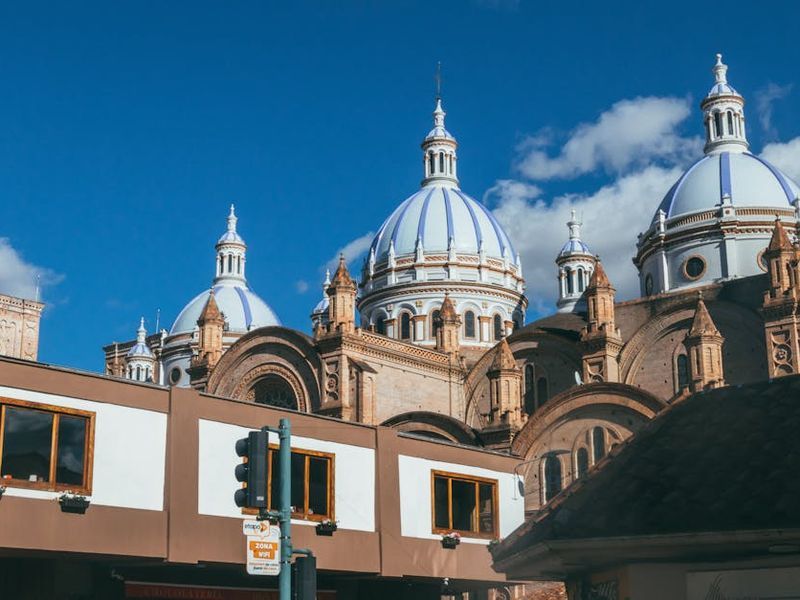
Cuenca’s tree-lined streets, walkable historic center and mild Andean climate give expats a head start on greener living. At about 2,560 meters (8,400 feet) above sea level, the city encourages outdoor mobility and year-round fresh produce, which make low-impact habits easier to adopt than in many big, car-dependent cities. This article gives practical, place-specific tactics you can start using tomorrow — from waste reduction and composting to transport choices, energy savings and where to shop for sustainable goods.
Know the Local Context: Climate, Utilities and Neighborhoods
Before changing habits, it helps to understand local realities. Cuenca’s climate is generally temperate — cool nights and comfortable days — which reduces the need for constant heating or air conditioning. Water comes from mountain sources and is treated by municipal systems, but many residents use in-home filtration for taste and extra safety. Electricity costs are reasonable, and roof-mounted solar makes sense in many neighborhoods if you are staying long-term.
Where you live in the city matters for your daily footprint. The Centro Histórico is extremely walkable, with markets, shops and cafés within easy reach, cutting the need for motorized transport. Suburban areas require more planning for groceries and commuting, so focus on bulk shopping and better planning to avoid multiple small trips.
Reduce Waste: Smart Shopping and Everyday Swaps
One of the simplest, most immediate ways to go green is to reduce what you bring into your home. Try these practical swaps:
- Carry reusable bags and a small produce bag when visiting mercados or supermarkets — many stalls will give you a discount if you decline single-use bags.
- Bring a reusable coffee cup or thermos; café culture in Cuenca is strong and baristas are used to customers with their own cups.
- Replace single-use items like plastic cutlery and straws with compact, reusable kits that fit in a bag.
- Buy in bulk where possible to cut down on packaging; look for family-owned tiendas and zero-waste shops that let you refill staples like rice, beans and grains.
Master Recycling and Composting in Cuenca
Recycling infrastructure varies by neighborhood, but there are reliable options if you know where to look. Many municipalities operate drop-off points (often called “puntos verdes” or green points) for glass, paper, plastics and metals. Check your local municipal website or community bulletin boards for the nearest collection center. If you live in a building, ask your administrator if they offer separated bins or coordinate a building-level drop-off.
Composting is one of the best home-based solutions: it reduces organic waste and produces excellent fertilizer for houseplants or community gardens. Two low-maintenance methods work well in Cuenca:
- Vermicompost (worm bin): Great for apartments or patios. A compact worm bin can process kitchen scraps quickly and be kept on a balcony or laundry area.
- Cold compost or bokashi: For those with a small yard or patio, cold compost piles or bokashi bins (fermentation-based) are odor-controlled options that break down food waste efficiently even in Cuenca’s cooler nights.
Eat Local and Seasonal: Markets, Organics and Small Producers
Cuenca’s food scene is friendly to sustainable eaters. Local mercados and neighborhood tiendas stock seasonal fruits and vegetables year-round, and buying from vendors reduces food miles and often packaging. Look for:
- Small farmers’ stalls at municipal markets that sell seasonal produce harvested nearby.
- Organic or agroecological fairs — these pop up on weekends in parks or plazas and are a great way to meet producers directly.
- Cooperatives and food collectives where expats and locals sometimes pool orders to buy sustainably produced goods in larger quantities.
Cooking at home with local ingredients is both a healthy and eco-friendly habit. Traditional Andean staples such as potatoes, corn, legumes and seasonal greens are plentiful and adapt well to vegetarian or lower-meat diets.
Transportation: Walk, Bike, Bus and Sensible Car Use
Transportation is one of the biggest contributors to personal carbon footprints. In Cuenca many daily trips can be done without a car:
- Walking: The historic center and many neighborhoods are compact. Walking is a practical choice for errands and social outings and is one of the healthiest low-impact habits.
- Biking: Cuenca has invested in cycling infrastructure in recent years; explore bike lanes and quieter streets. A secondhand hybrid bike is a great investment for commuting and grocery runs.
- Public transit and shared rides: Use local buses for longer trips; they are affordable and reduce the number of vehicles on the road. If you need occasional private transport, share rides with neighbors or use taxi services to avoid owning a car.
If you plan to keep a car, consider downsizing to a smaller, fuel-efficient model or look into hybrid options available locally. Plan errands to minimize driving and combine trips so you spend less time on the road.
Energy-Saving Tips for Cuenca Homes
Because Cuenca’s climate is temperate, opportunities to cut energy use are often low-tech and inexpensive:
- Use layered clothing and blankets instead of running heaters at night. A programmable electric blanket or a small radiant heater in the room you use most is more efficient than heating the whole apartment.
- Switch to LED bulbs and unplug chargers and appliances when not in use. Many expats are surprised how much standby energy devices draw.
- Install water-efficient showerheads and faucet aerators to reduce hot water use. Shorter showers are both eco-friendly and pleasant in a mild climate.
- If you own or rent a long-term place with roof access, solar water heaters or photovoltaic panels are worth investigating; sunny days at altitude can provide good solar yield.
Water Sensibility: Small Habits, Big Impact
Cuenca benefits from Andean water sources, but sustainable use is still important. Adopt these habits:
- Collect cool-down water from showers in a bucket to water potted plants or for handwashing clothes.
- Fix leaks quickly — even small drips can waste significant water over time.
- Use efficient laundry practices: full loads, front-loading machines if possible, and air-drying clothes when weather allows.
Rainwater harvesting is viable for houses with roof access and storage tanks; check local regulations and practicalities. Even simple gutter collection systems can supplement non-potable uses like plant irrigation.
Buy Local, Buy Less: Secondhand, Repairs and Local Crafts
Reducing consumption matters just as much as recycling. Cuenca has a lively secondhand and artisan scene where you can find furniture, clothing and housewares with lower environmental impact than new imports. Tips to keep in mind:
- Explore thrift shops, flea markets and expat online groups for used furnishings and appliances. Buying secondhand saves money and keeps items out of landfills.
- Support local artisans and small workshops for textiles, ceramics and woodwork — handcrafted goods are often more durable and have a smaller embodied carbon footprint than mass-produced imports.
- Learn basic repairs or find a local repair shop. A small investment in mending clothing or servicing appliances extends life and keeps waste low.
Get Involved: Community Projects and Volunteer Opportunities
Longevity and impact increase when you connect with local initiatives. Universities, neighborhood associations and environmental NGOs in Cuenca often run tree plantings, park cleanups, environmental education sessions and community garden projects. Volunteering helps you meet neighbors and gives you practical avenues to contribute to local sustainability efforts.
If you are new to the city, check municipal event boards, community centers, or local social media groups for volunteer events. Many expats start by joining neighborhood cleanups or helping with community composting initiatives.
Practical Tips for Newcomers: Setting Up a Green Household
When you arrive, make a short checklist to get your eco-lifestyle rolling:
- Scout a local mercado and note which vendors sell items in bulk or without plastic packaging.
- Locate the nearest recycling drop-off point and learn collection days if available.
- Buy a reusable water bottle and a small set of reusable cutlery/utensils for on-the-go meals.
- Set up a small compost system inside or outside depending on your housing situation.
- Join one local Facebook group or community chat for tips on where to buy sustainable goods and which repair shops are trusted.
Common Obstacles and How to Overcome Them
It’s normal to hit bumps when trying to be more sustainable. Here are common challenges and practical fixes:
- Limited recycling services: If municipal pickup is inconsistent, coordinate a small neighborhood collection for drop-off or barter with local recyclers who will pick up separated materials.
- Difficulties finding eco-products: Ask local expat groups or artisan markets for leads; often small businesses will special-order items if you ask.
- Language barrier: Learning basic Spanish phrases for recycling and markets goes a long way. Phrases like “sin bolsa, por favor” (no bag please) or “¿dónde está el punto de reciclaje?” are useful.
Final Thoughts: Small Steps Lead to Lifelong Habits
Living sustainably in Cuenca doesn’t require an all-or-nothing overhaul. Small, consistent changes — choosing to walk, buying less, composting kitchen scraps, supporting local artisans — add up quickly. The city’s compact layout, friendly markets and vibrant community life make many green habits accessible and rewarding. Start with one or two changes and build your approach from there; you’ll save money, feel healthier, and connect more deeply to the rhythms of this beautiful Andean city.
Whether you’re a short-term visitor or settling in for the long haul, the combination of local knowledge and these practical strategies will help you live a more sustainable, engaged life in Cuenca.