
Table of Contents
Introduction: A New Era of Dental Imaging in Cuenca
Cuenca’s dental scene has changed dramatically in recent years. With an influx of modern private clinics and an expanding expat community, digital dental X‑rays are being adopted across the city from clinics around the Parque Calderón to testing and specialty centers near Avenida Remigio Crespo. This shift isn’t just tech for tech’s sake—digital radiography affects diagnosis speed, patient comfort, record keeping, and even the relationship between you and your dentist.
What Exactly Are Digital Dental X‑Rays?
Digital dental X‑rays replace traditional film with electronic sensors or phosphor storage plates that capture images instantly and display them on a computer. The two most common types are direct sensors (CCD/CMOS) that send images immediately and indirect systems using phosphor plates that are scanned into a digital file. Either approach eliminates the chemical development process used with film and produces images you can enhance, zoom into, or share with a specialist in seconds.
How digital differs from film
With film you have a physical negative and a development process that can take time; with digital, the image appears instantly on a screen. Digital systems typically require less radiation to produce the same diagnostic detail, and because the files are digital they can be duplicated without image loss and sent anywhere by email or secure cloud link.
Key Benefits for Patients in Cuenca
- Faster appointments: Immediate imaging means your dentist can explain findings during the same visit and move quickly to treatment planning.
- Lower radiation: Digital sensors are more sensitive than film, so exposure is typically reduced—an important consideration given Cuenca’s high altitude, which some patients worry about in relation to overall health.
- Better diagnostics: Image enhancement tools (contrast, brightness, zoom) improve the detection of small problems like early decay, hairline fractures, or the start of bone loss.
- Easy sharing and second opinions: Digital files can be emailed or uploaded for remote consultation with specialists in Quito, Guayaquil, or abroad.
- Environmentally friendlier: No chemical film development means less hazardous waste.
How Digital X‑Rays Help Expats Specifically
Many expats in Cuenca appreciate clear, portable medical records. Digital X‑rays make it simple to carry your dental history with you by email or on a USB drive, which is especially useful for those who travel frequently or split time between countries.
Tele‑dentistry and continuity of care
Digital images facilitate tele‑consultations. If you need a specialist opinion from a provider back home, your Cuenca dentist can share DICOM or JPEG files quickly. This is a major advantage for expats who want continuity of care with their previous dentist or who consult with a dental team overseas before making treatment decisions in Ecuador.
What to Expect at a Digital X‑Ray Visit in Cuenca
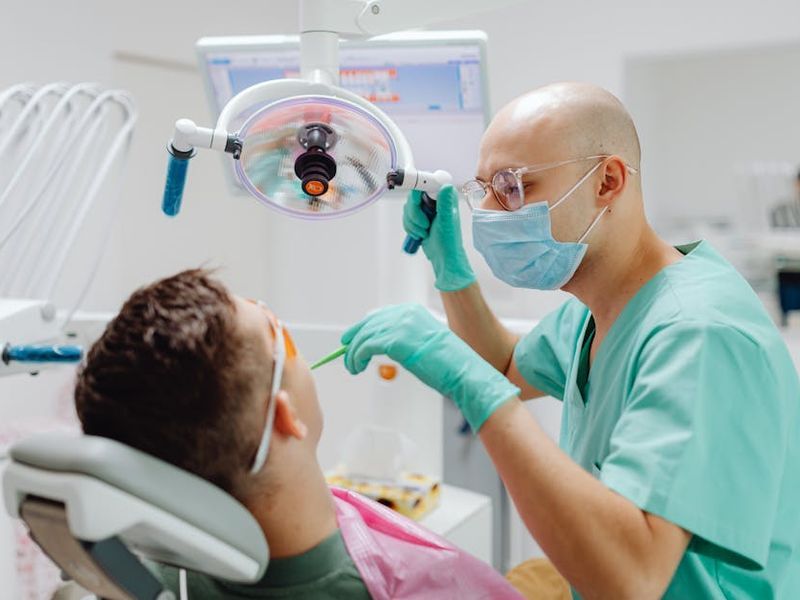
Appointments with digital radiography are typically efficient. After a short clinical exam, a tech or dentist will place a small sensor or plate in your mouth. The image is captured in seconds and shown on a monitor. The dentist will review it with you, often using on‑screen tools to mark concerns and explain proposed treatments.
Practical note: ask your clinic how they provide copies of the images. Most will email a link, provide a CD or USB, or give you access to a patient portal. If you want the file formatted a certain way (JPEG for casual use, DICOM for specialist review), let them know ahead of time.
Cost and Accessibility in Cuenca
Digital X‑ray availability is strongest in private clinics across Cuenca’s Centro Histórico, El Centro, and residential neighborhoods favored by expats such as San Joaquín and La Salle. Many modern private practices include digital X‑rays as part of routine exams or treatment planning. Public hospitals and clinics may have digital capabilities too, but availability can vary.
When budgeting, ask clinics whether imaging is included in the exam fee or charged separately. For complex imaging like CBCT (cone beam CT), which provides 3‑D views used for implants and certain surgical planning, expect higher costs and appointments at specialized imaging centers. Always ask for an estimate before committing to advanced scans.
Common Uses of Digital Dental Imaging
- Cavities and restorative planning: Detecting interproximal decay and planning fillings.
- Root canals and endodontics: Locating canal anatomy and confirming work is complete.
- Implant planning: Identifying bone volume and vital structures—often supplemented by CBCT.
- Orthodontics: Mapping tooth position and monitoring movement.
- Oral surgery: Assessing impacted teeth and planning extractions.
- Periodontal disease: Monitoring bone loss around teeth.
Questions to Ask Your Dentist Before Imaging
As a patient—especially if you’re new to Cuenca’s healthcare system—being informed helps ensure quality care. Consider asking:
- “Do you use digital sensors or phosphor plates?”
- “Can I get a digital copy of my X‑rays, and in what format?”
- “What safety protocols do you follow for radiation exposure?”
- “Is the clinic registered and are the imaging devices calibrated regularly?”
- “Are staff bilingual and experienced with international patients?”
Safety and Regulations in Ecuador
Dental radiography in Ecuador is subject to national regulations pertaining to radiation safety and equipment standards. Clinics should provide lead aprons and follow established safety protocols such as limiting exposure and maintaining equipment through periodic checks. If you’re concerned, request to see the clinic’s radiation safety certificate or ask whether the unit is maintained according to manufacturer guidelines.
Red Flags to Watch For
While most modern Cuenca clinics are professional and well-equipped, be cautious if you encounter: outdated film-only operations without digital options, technicians who are unable to explain why images were taken, clinics that are reluctant to provide electronic copies of your records, or inconsistencies in billing for imaging. Any reputable dentist should be transparent about the technology they use and how they protect patients.
How to Choose a Clinic in Cuenca
Finding the right clinic is a mix of technical capability and comfort. Look for practices that:
- Use modern digital imaging and can share files electronically.
- Have bilingual staff or are experienced with international patients.
- Provide clear pricing and written treatment plans.
- Have positive reviews from both local and expat communities.
Try scheduling a consultation where you can tour the facility and see the imaging system in action before making a major treatment decision.
Practical Tips for Expats and Tourists Getting X‑Rays in Cuenca
- Bring prior records: If you have previous X‑rays, bring copies on a USB or ask your previous provider to send digital files by email. That helps your new dentist avoid unnecessary repeat imaging.
- Ask about language and comfort: Check whether staff speak English and if the clinic is patient‑friendly for foreigners.
- Plan logistics: Many clinics are conveniently located near central landmarks like Parque Calderón, making them easy to reach by taxi or bus.
- Confirm payment options: Check whether the clinic accepts international credit cards, cash, or local insurance (IESS/private insurers).
- Request file formats: If you need to share images with a provider outside Ecuador, ask for DICOM files for clinical use or JPEG/PNG for casual sharing.
Future Trends: AI and Remote Consultation
Digital imaging sets the stage for newer tools like artificial intelligence (AI) for preliminary image analysis and tele‑radiology services. Some forward‑thinking practices in Cuenca integrate image sharing with specialists elsewhere for second opinions. As the technology becomes more common, expect faster diagnoses, more collaborative care, and improved planning for complex procedures like implants and full‑mouth restorations.
Summary: Why Digital X‑Rays Matter for Cuenca Residents
Digital dental X‑rays are not just a modern convenience—they change how dental care is delivered. For Cuenca residents and expats, the benefits include quicker appointments, improved diagnostic capability, lower radiation exposure, and seamless sharing of records for second opinions or continuity of care. Whether you live near the historic center or in a quieter neighborhood, ask your dentist about their imaging technology and request digital copies of your records so you can maintain control over your oral health no matter where life takes you.
Ready to explore options? Start with a consultation at a clinic that demonstrates digital imaging capability, asks good questions, and is willing to share your images in the format you need. That small step can make a big difference in how confidently you manage dental care in Cuenca.