
Table of Contents
Why digital dental X-rays matter in Cuenca’s dental scene
Cuenca has become a hub for high-quality, affordable dental care that attracts both locals and expats. One of the most visible signs of modern dentistry here is the shift from film X-rays to digital imaging. Digital dental X-rays (intraoral sensors, panoramic digital systems, and 3D cone-beam machines) are changing the patient experience with faster diagnoses, clearer images, and safer procedures.
What “digital” really means
Digital X-rays capture images using electronic sensors instead of traditional film. The image appears almost instantly on a computer screen, can be adjusted for contrast and detail, and is easily stored or shared. Many clinics in Cuenca now use these systems because they streamline care and improve communication between dentist and patient.
Key advantages of digital X-rays for patients
Whether you’re an expat newly arrived in Cuenca or a lifelong resident, digital X-rays bring concrete benefits:
- Lower radiation exposure: Digital sensors are more sensitive than film, so they typically require much less radiation to produce a quality image.
- Quicker diagnosis: Images are immediate, which means less time in the dental chair and faster treatment planning.
- Enhanced image quality: Dentists can zoom, adjust brightness, and annotate images on the screen—helpful for spotting small cavities, fractures, or early bone loss.
- Easy record-keeping: Digital files integrate with electronic dental records, making follow-up appointments and referrals smoother.
- Environmentally friendly: No chemical processing of film means fewer hazardous wastes and a smaller ecological footprint.
- Better patient communication: Seeing your X-rays on-screen helps you understand recommended treatments and ask informed questions.
Common types of digital dental imaging offered in Cuenca
Dentistry in Cuenca often includes a variety of digital imaging options. Knowing what each type is for helps you know what to expect when your dentist recommends imaging.
Intraoral periapical and bitewing sensors
These are the standard digital X-rays used during routine dental exams. Bitewings show the crowns of teeth and are excellent for spotting cavities between teeth. Periapical X-rays capture the whole tooth from crown to root and are used when assessing root health or tracking a specific tooth.
Panoramic digital X-rays
A panoramic image gives a broad view of the entire mouth—upper and lower jaws, teeth, sinuses and temporomandibular joints. In Cuenca clinics, panoramic digital machines are commonly used for treatment planning, extractions, and orthodontic assessments.
Cone-beam CT (CBCT)
For complex cases—implant planning, advanced endodontics, or detailed jaw anatomy—some clinics offer cone-beam CT. This 3D imaging provides highly detailed information about bone structure and nerve locations. While not necessary for every patient, CBCT is invaluable when precision matters.
How digital X-rays change the patient experience in Cuenca
From booking your appointment to follow-up, digital X-rays make the whole dental visit smoother. Here’s what a typical experience looks like at a modern Cuenca clinic:
- When you arrive, administrative staff confirm your history and any existing digital files—if you’ve brought records from another country, they can often be emailed and added to your file.
- Your dentist or hygienist positions a small digital sensor in your mouth for intraoral images; for panoramic or CBCT, you stand or sit while the machine rotates around you.
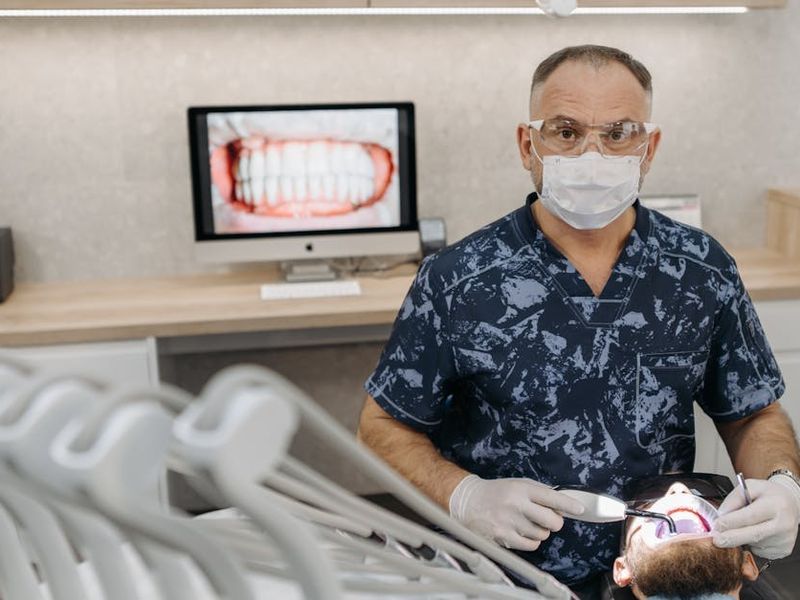
- Images appear instantly on the clinician’s monitor. The dentist reviews them with you, pointing out areas of concern and outlining treatment options.
- Images can be printed, saved to a USB, or sent by email—handy if you’re an expat who wants copies for records abroad.
Practical tips for expats seeking digital dental care in Cuenca
As an expat, you may be unfamiliar with how clinics operate here. The following tips will help you get the most from Cuenca’s digital dental services.
Bring previous dental records and any images
If you have dental X-rays from another country, bring them on a USB stick or ask the previous dentist to send them by email. Many Cuenca dentists will compare old and new images to track changes over time.
Ask for English-speaking staff if needed
Many dental clinics in central Cuenca (near Parque Calderón and El Centro) have bilingual dentists and staff who serve the expat community. If language is a concern, request an English-speaking practitioner when booking.
Confirm pricing and what’s included
Certain clinics include digital X-rays in the exam price, while others bill imaging separately. Because Ecuador uses the US dollar, you can often compare prices easily. Typical ranges (approximate) are: intraoral X-rays $5–$20 per image, panoramic $25–$60, and CBCT $100–$250—always confirm current pricing before treatment.
Verify infection control and accreditation
Good clinics display infection-control protocols and maintain modern equipment. Look for clean waiting areas, disposable covers, and clearly labeled sterilization zones. Many reputable practices list certifications or professional association memberships in their offices or websites.
When digital X-rays are especially beneficial
Certain situations make digital imaging particularly valuable. If you fall into one of these categories, mention it to your dentist when scheduling:
- New to Cuenca: Digital records make it easy to transfer dental care between dentists or get second opinions.
- Implant candidates: CBCT helps measure bone density and locate nerves precisely.
- Orthodontics: Panoramic images and digital cephalometric analyses speed treatment planning.
- Frequent travelers or seasonal residents: Having digital images that can be emailed reduces the need to carry physical records.
- Pediatric patients: Faster imaging and reduced radiation exposure are gentler on children.
Addressing common concerns: radiation, cost, and privacy
It’s normal to have questions about safety, cost, and data privacy. Here’s how digital X-rays stack up in these areas.
Radiation safety
Digital sensors require far less radiation than old-style film. Clinics also use lead aprons and follow the ALARA principle (As Low As Reasonably Achievable) to minimize exposure. Pregnant women should always inform their dentist; routine dental X-rays are typically postponed unless urgently needed, and additional shielding is used when necessary.
Cost transparency
Because pricing in Cuenca is often competitive, ask for a written estimate. Many clinics offer bundled packages for exams, cleanings, and X-rays. If you have international dental insurance, request itemized receipts that include the type of imaging performed so you can submit claims.
Data privacy and sharing
Digital images are files that can be shared—this is an advantage and a responsibility. Reputable clinics will ask your permission before sending images to outside providers and should explain how your records are stored. If you are concerned about privacy, ask where files are backed up and how long they are retained.
Finding the right clinic in Cuenca: what to look for
Cuenca has a wide range of dental practices—from small family clinics to multi-specialty centers. Here’s a quick checklist to help you choose:
- Location: Many expats prefer clinics near El Centro or along Avenida de las Américas for convenience.
- Technology: Confirm they use digital intraoral sensors, a digital panoramic unit, and, if needed, CBCT.
- Language: Ask if the dentist or staff speak English; many clinics cater to the expat community.
- Reviews: Look for patient testimonials on Facebook, Google Maps, or expat community groups.
- Follow-up care: Ask about warranties on restorative work (crowns, implants) and availability for emergencies.
How digital imaging supports long-term oral health in Cuenca
Digital X-rays do more than speed up appointments—they improve outcomes. By enabling early detection and better planning, they help prevent small problems from becoming major procedures. For expats living in Cuenca, that means fewer unexpected trips home for major dental work and more predictable costs and timelines.
Continuity of care
With digital files, it’s easy to maintain continuity of care even if you change dentists or move to another city. Clinics can email your complete digital records to a new provider locally or abroad so your treatment history remains intact.
Preventive focus
High-resolution digital images allow dentists to spot early decay, minor root resorption, or early bone changes—conditions that are easier and less expensive to treat early. This aligns well with Cuenca’s growing emphasis on preventive dentistry among both locals and expats.
Final checklist before your digital X-ray appointment in Cuenca
Use this short checklist to prepare and get the most from your visit:
- Bring ID and any recent dental records (USB or emailed).
- Confirm if images are included in the exam fee and ask for costs up front.
- Request an English-speaking appointment if needed.
- Mention pregnancy, allergies, or recent medical imaging that could affect decisions.
- Ask how your images will be stored and whether you’ll receive copies.
Conclusion: A modern advantage for a modern city
Cuenca blends historic charm with modern healthcare, and digital dental X-rays are a clear example. They reduce radiation, speed up care, improve diagnostics, simplify record-keeping, and ultimately help patients—especially expats—manage their oral health more confidently. Whether you’re here short-term or settling in for years, choosing a clinic that uses digital imaging is a smart step toward predictable, high-quality dental care in this vibrant Ecuadorian city.
If you’re new to Cuenca, start by asking local expat groups for recommendations and request a clinic tour to see equipment and meet staff. Informed patients get better results—and with digital dental X-rays, both dentists and patients in Cuenca are seeing the full picture more clearly than ever.