
Table of Contents
Introduction: A New Era of Dental Imaging in Cuenca
Cuenca’s healthcare scene has evolved rapidly in recent years, and dentistry is no exception. Digital dental X-rays are being adopted by more private clinics and specialists across the city, offering clearer images, faster results, and better record keeping. Whether you are an expat seeking affordable, high-quality care or a local resident exploring modern dental technology, understanding how digital radiography works and what it offers will help you make informed choices.
What Exactly Are Digital Dental X-Rays?
Digital dental X-rays use electronic sensors or phosphor plates to capture images of teeth and jaw structures instead of traditional film. These images are converted into digital files that dentists can view instantly on a computer. Two common types are intraoral digital sensors (used for bitewings and periapicals) and extraoral systems such as panoramic machines and cone beam computed tomography (CBCT) for 3D imaging.
Types of Digital Systems You May Encounter in Cuenca
- Direct sensors (CMOS/CCD): quick capture and immediate image display on-screen.
- Phosphor plates (PSP): thinner plates similar to film that are scanned to produce a digital image.
- Panoramic digital X-rays: provide a broad view of the entire mouth—useful for planning extractions, implants, and orthodontics.
- CBCT scans: 3D imaging increasingly available in specialized clinics or imaging centers—valuable for implant planning and complex surgical cases.
Why Digital X-Rays Matter for Dental Care in Cuenca
Digital X-rays bring practical and clinical benefits that resonate with patients and dentists alike. For expats and locals in Cuenca, these advantages translate into faster diagnosis, more precise treatment planning, and improved communication between providers.
Faster Diagnostics and Same-Day Care
One of the most noticeable benefits is speed. Digital images appear on-screen immediately, eliminating the wait time for film development. This allows dentists in busy neighborhoods like El Centro, Avenida de las Americas, or near Parque Calderon to make treatment decisions during the same appointment—especially useful for urgent cases or when coordinating multiple procedures.
Lower Radiation and Increased Safety
Digital systems typically require less radiation than conventional film. While dental X-rays already use a low dose, digital technology further reduces exposure—important for patients who need repeated imaging, children, or those with health considerations. Clinics will still use protective measures like lead aprons and thyroid collars; always request these if they aren’t offered.
Practical Benefits for Expats: Portability and Record Sharing
Expats often move between countries or consult specialists remotely. Digital X-rays can be saved as DICOM files and shared on a USB drive, emailed to a dentist abroad, or uploaded to cloud storage. This portability streamlines second opinions and continuity of care—especially valuable if you plan to return to your home country or require specialist treatment elsewhere.
Interoperability and Tele-dentistry
Many Cuenca dentists now participate in tele-dentistry consultations, where images are reviewed with a specialist who may not be local. Digital formats make it easy to transmit high-quality images quickly. If you expect to consult with a foreign dentist, ask your Cuenca clinic whether they provide images in DICOM or common image file formats and whether they can send them electronically.
Cost Considerations in Cuenca
Cost is a major reason many people choose Cuenca for dental care. While prices vary depending on clinic location, equipment, and the dentist’s specialization, digital X-rays are often included in the consultation fee or charged separately at a modest rate. Typical price ranges in private clinics in Cuenca are generally lower than in major North American or European cities, but exact figures depend on the clinic and the type of imaging required.
Estimated Price Ranges
- Single intraoral digital X-ray: usually charged per image at a modest cost.
- Full-mouth series: priced less than an equivalent series abroad and often bundled with restorative treatment.
- Panoramic X-ray: commonly available and reasonably priced.
- CBCT 3D scans: more expensive than 2D imaging but still competitive relative to many foreign facilities.
Always request a written estimate and confirm whether the cost includes the image file on a USB or online access. Clinics in Cuenca’s popular private medical corridors tend to list prices transparently or provide estimates on request.
How to Find a Good Digital X-Ray Provider in Cuenca
With many clinics offering digital imaging, choosing the right provider comes down to reliability, equipment quality, and communication. Here are practical steps to find a clinic that meets your needs.
Search Locally and Ask the Right Questions
- Start with Google reviews, Facebook expat groups, and recommendations from local pharmacies or international clinics.
- Ask whether they use direct sensors or PSP plates and which panoramic or CBCT unit they have—newer systems tend to give clearer images at lower doses.
- Confirm whether you will receive copies of your images in digital format and how they handle data security and storage.
- Ask if staff speak English if you’re not fluent in Spanish; many Cuenca clinics catering to expats have bilingual staff or English-speaking dentists.
What to Expect During a Digital X-Ray Appointment
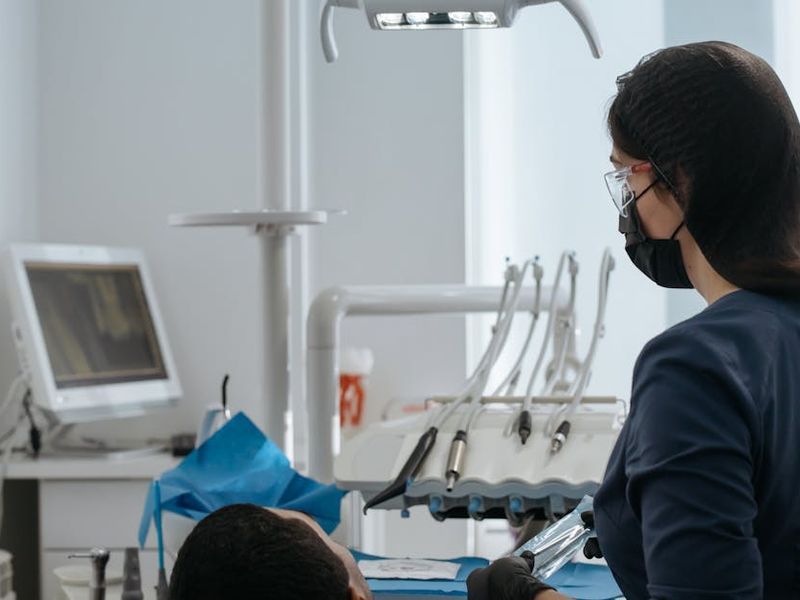
A typical appointment is efficient and patient-friendly. After a short clinical exam, the dental assistant will position a sensor or plate in your mouth or place the panoramic unit around your head. The exposure is brief—often less than a second for intraoral sensors. You’ll see the image on screen almost immediately, and your dentist will point out areas of concern using software tools that can zoom, adjust contrast, and annotate.
Comfort and Communication
Many dentists in Cuenca enhance patient experience by displaying images on a chairside monitor, which helps you understand the diagnosis. If you have dental anxiety, ask the clinic about sedation options, extra time, or a calmer appointment slot. If you are pregnant or believe you may be pregnant, inform the clinic; they will typically postpone non-urgent imaging or take additional precautions.
Clinical Advantages: Better Diagnosis and Treatment Planning
Digital images can reveal cavities, bone loss, abscesses, impacted teeth, and root canal issues more clearly than older film in many cases. Advanced tools allow dentists to measure bone density, plan implant placement digitally, and simulate restorations. When paired with intraoral cameras, digital X-rays provide a comprehensive visual record that helps dentists make accurate, evidence-based decisions.
When 3D Imaging Makes the Difference
CBCT scans are particularly helpful for complex cases such as implant planning, evaluation of impacted wisdom teeth, or assessment of jaw pathology. Not every clinic offers CBCT, but imaging centers and specialized practices in Cuenca often do. If your treatment requires precise surgical planning, inquire about access to a CBCT unit and whether the clinic provides guided surgery services.
Limitations and Questions to Ask
Although powerful, digital X-rays are not a substitute for a thorough clinical exam. Artifacts, patient movement, and incorrect positioning can affect image quality. Additionally, not every dental problem is visible on X-rays—soft tissue issues and early enamel lesions may be missed without a clinical check.
Checklist Before You Commit
- Ask how many years of experience the dentist has and whether they have post-graduate training in specialties relevant to your needs.
- Confirm the clinic’s sterilization protocols and COVID-19 hygiene practices.
- Request to see sample images or software demonstrations so you know what to expect.
- If you plan to travel, ask for digital copies and a concise report for your records or referring dentist.
Real-World Tips for Expats and Long-Term Visitors
Expats and long-term visitors have unique needs for dental continuity. Keep these practical tips in mind to make the most of digital imaging services in Cuenca.
- Bring previous dental records and X-rays when you first visit a dentist in Cuenca—having baseline images helps new dentists avoid unnecessary repeat imaging.
- Ask for images in a common digital format and get a concise written report in English if you don’t read Spanish well.
- Compare several clinics for price and equipment quality; Cuenca has both modern private clinics and smaller practices, so shop around.
- Use local expat forums to learn which dentists are trusted by the international community and who offers bilingual service.
Conclusion: Digital Imaging Is a Smart Choice in Cuenca
Digital dental X-rays are increasingly standard across Cuenca, bringing meaningful benefits: quicker visits, reduced radiation, superior diagnostics, and smoother international record sharing. Whether youre an expat balancing cross-border care or a local resident seeking modern dentistry, choosing a clinic with up-to-date digital imaging can improve outcomes and make treatment more efficient.
Before your next dental appointment, ask about the type of digital equipment the clinic uses, whether you can receive digital copies of your images, and how the clinic handles multilingual communication. With a little preparation and the right provider, digital dental imaging will make your dental care in Cuenca clearer, faster, and more connected to your broader healthcare needs.
Adam Elliot Altholtz serves as the Administrator & Patient Coordinator of the “Smilehealth Ecuador Dental Clinic“, along with his fellow Expats’ beloved ‘Dr. No Pain‘, right here in Cuenca, Ecuador, and for purposes of discussing all your Dental needs and questions, is available virtually 24/7 on all 365 days of the year, including holidays. Adam proudly responds to ALL Expat patients from at least 7:00am to 9:00pm Ecuador time, again every single day of the year (and once more even on holidays), when you write to him by email at info@smilehealthecuador.com and also by inquiry submitted on the Dental Clinic’s fully detailed website of www.smilehealthecuador.com for you to visit any time, by day or night. Plus, you can reach Adam directly by WhatsApp at +593 98 392 9606 -or by his US phone number of 1‐(941)‐227‐0114, and the Dental Clinic’s Ecuador phone number for local Expats residing in Cuenca is 07‐410‐8745. ALWAYS, you will receive your full Dental Service in English (NEVER in Spanish), per you as an Expat either living in or desiring to visit Cuenca by your Dental Vacation, plus also to enjoy all of Ecuador’s wonders that are just waiting for you to come arouse and delight your senses.