
Table of Contents
Introduction: Why Cuenca Leads the Dental Tourism Wave
Cuenca, Ecuador has quietly become the go-to city for dental tourists seeking high-quality care, dramatic savings, and a beautiful place to recover. From advanced implant work and all-ceramic crowns to veneers and full-mouth makeovers, Cuenca’s clinics combine modern technology with personalized care — and prices that are typically 60–70% less than the U.S. and Canada. If you’re weighing options for dental implants, crowns, or veneers, here’s a detailed, practical guide to why Cuenca should be at the top of your list.
Massive Savings Without Compromising Quality
Cost is the first reason most patients consider dental tourism, and Cuenca delivers spectacular value. Typical savings run 60–70% compared to comparable procedures in the United States and Canada. For example:
- Single dental implant: often 60–70% less than North American prices — many patients find implant packages that include the implant, abutment, and crown at a fraction of their home cost.
- Crowns: high-quality porcelain or zirconia crowns are commonly 60–70% cheaper.
- Veneers: the cosmetic veneers you want, crafted with excellent materials and skilled lab work, for a significantly lower cost.
These savings are possible because of lower living and labor costs, efficient local dental labs, and competitive pricing from clinics aiming at international patients — not because of lower standards. In fact, many dentists in Cuenca train at top universities in Ecuador and abroad and keep pace with global techniques and materials.
World-Class Clinicians and Advanced Technology
One of the biggest myths about lower-cost dentistry abroad is that it equals poor quality. Cuenca dispels that myth. Many dentists in the city are specialists in prosthodontics, implantology, periodontics, and endodontics. They hold degrees from reputable Ecuadorian institutions and often pursue post-graduate training and certifications abroad in the U.S., Europe, and Latin America.
Clinics are equipped with modern technology you would expect in high-end practices: cone beam CT (CBCT) imaging for precise implant placement, CAD/CAM systems for same-day crowns, digital impressions, guided implant surgery, and in-house or partnered labs that use high-strength zirconia and advanced ceramic systems. That means faster turnaround, highly accurate restorations, and fewer follow-up visits.
Short Wait Times and Fast Turnarounds
Back home you may wait weeks or months for a specialist appointment or for lab work to be completed. In Cuenca clinics specializing in dental tourism the opposite is true: many clinics can schedule consultations and procedures within days. Local labs are often on the same property or a short walk away, dramatically shortening turnaround time for crowns and veneers. Some clinics offer immediate-load implants and CAD/CAM same-day crowns for suitable cases — ideal for travelers wanting to minimize return trips.
Personalized One-on-One Care and Patient Experience
Visitors to Cuenca consistently report feeling cared for in a way that large corporate practices back home may no longer provide. Many clinics are smaller, boutique-style practices where you meet the same dentist at each visit and get individualized treatment planning. Bilingual staff and patient coordinators help with appointments, treatment timelines, lodging recommendations, and logistical details like airport transfers. Aftercare is taken seriously — many dentists provide follow-up via telehealth and maintain clear warranties and communication channels for international patients.
Recovery in a Stunning, Gentle Climate
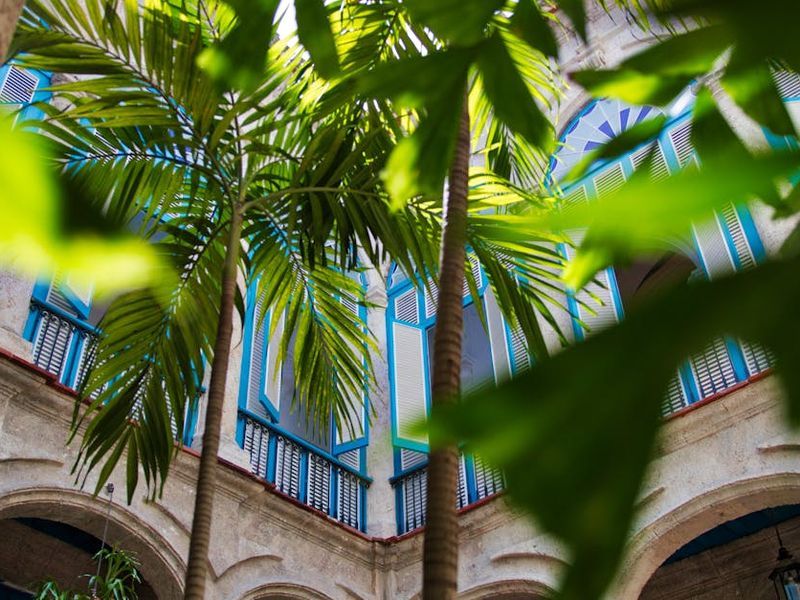
Recovery matters when you undergo dental procedures. Cuenca’s mild, spring-like climate (elevation approximately 2,560 meters) and relaxed pace make it an ideal place to heal. The city’s compact historic center — with cobblestone streets, colonial architecture, and the calming Tomebamba River — is perfect for low-impact walks after treatment. Nearby green spaces like Parque Calderón and the banks of the river invite gentle strolls that won’t strain surgical sites.
For those looking for day trips during recovery, Parque Nacional Cajas offers scenic drives and short, restorative hikes. Spa hotels, rooftop cafes, and quiet plazas provide peaceful places to rest between appointments. Many patients say the environment itself plays a big role in their quick, comfortable recoveries.
Combine Treatment with a Dental Vacation
One of Cuenca’s greatest appeals is how seamlessly dental care blends with tourism. Many patients schedule an initial consult and preparatory work during their first trip, then explore the city’s museums, markets, and culinary scene while temporary restorations are fabricated. Return visits, if required, can complete permanent crowns or final implant components. For those who prefer a single-trip approach, modern CAD/CAM systems and efficient labs often allow for same-trip restorations.
Experience highlights while you’re here might include browsing the hat markets (yes, authentic Panama hats are made in Ecuador), admiring the cathedral towers in El Centro Histórico, taking photos along the Tomebamba River, visiting artisan markets, or enjoying a quiet coffee in a local casa de té. These activities are low-impact and perfect for someone recovering after dental work.
How to Plan Your Dental Trip to Cuenca
Planning is the key to a smooth and successful dental vacation. Here are practical steps and tips:
- Start with a virtual consultation: Many clinics offer online consultations where you send X-rays and photos, receive a treatment plan, and get cost estimates before you book travel.
- Understand the timeline: Ask whether your treatment can be completed in one trip with same-day crowns/implants or whether multiple visits are needed. For traditional implant protocols, budget 3–6 months for osseointegration if a staged approach is recommended.
- Book flights and accommodations with flexibility: Cuenca has its own airport, Mariscal Lamar (CUE), with connections through Quito or Guayaquil. Many international travelers fly into Quito or Guayaquil and take a short domestic flight or comfortable bus/transfer to Cuenca.
- Bring dental records: Copies of recent X-rays, treatment histories, and a list of medications helps your Cuenca dentist create an accurate plan.
- Plan recovery-friendly lodging: Choose a centrally located hotel or rental within easy walking distance of your clinic to minimize transit after procedures.
- Ask about anesthesia and sedation: If you prefer oral sedation or IV sedation for implants or full-mouth work, confirm availability and qualifications of the anesthesiology team.
Health, Safety, and Accreditation Considerations
Healthcare safety standards in Cuenca are robust. Many clinics adhere to strict sterilization and infection-control protocols and follow international best practices. Don’t hesitate to ask for details about sterilization processes, the origin and certification of implants and materials, and laboratory partnerships. Reputable clinics will provide clear documentation, warranties for restorations, and before/after case photos.
Consider travel insurance that covers complications and a brief medical check with your home physician before traveling, especially if you have chronic health conditions or are on medications that affect healing.
Real-World Costs and Value Examples
While prices vary by clinic and the complexity of each case, typical ranges illustrate the value proposition:
- Implant (implant + abutment + crown): often a fraction of North American prices — consult clinics for exact quotes, but many patients report total implant costs at roughly one-third to one-half of U.S. costs.
- Porcelain or zirconia crowns: high-quality crowns at 60–70% lower cost than many U.S. labs.
- Veneers: same quality veneers using modern ceramics for far less money.
The combination of skilled clinicians, advanced procedures, and local lab efficiencies produces an exceptional value that many patients describe as a ‘premium result for a bargain price.’
Choosing the Right Clinic in Cuenca
Selecting the right practice is the most important decision you’ll make. Consider these criteria when evaluating clinics:
- Technology: CBCT imaging, digital impressions, CAD/CAM milling, and guided surgery are indicators of a modern practice.
- Team qualifications: Ask about the principal dentist’s training in implantology and prosthetics, and whether specialists (periodontists, endodontists, oral surgeons) are part of the team.
- Lab partnerships: In-house or local lab relationships mean faster turnaround and tighter quality control.
- Before/after photos and patient testimonials: Request case photos of treatments similar to yours and references from international patients.
- Clear pricing and warranties: Transparent cost breakdowns and clear follow-up policies will protect you if adjustments are needed.
Patient Stories and Outcomes
Many international patients leave Cuenca with life-changing smile transformations and glowing stories about their experience. Common themes include warm, personalized care, the efficiency of treatment timelines, unexpectedly comfortable recoveries, and delight at the savings. Patients often praise bilingual coordinators who manage appointments, logistics, and aftercare follow-up — which makes the whole process feel safe and manageable from abroad.
Final Thoughts: The Complete Package for Dental Tourists
Cuenca has become the world’s favorite dental tourism city because it offers a rare mix: highly qualified clinicians using modern technology, dramatic cost savings, fast service, and a beautiful, calming place to heal and explore. Whether you need a single implant, a set of crowns, veneers, or a full-mouth rehabilitation, Cuenca gives you access to quality care and a recovery environment that many patients describe as restorative for body and mind.
If you’re considering dental work abroad, take the time to research clinics, ask for virtual consultations, and plan a trip that balances treatment with recovery time. The combination of exceptional dental value and the chance to experience one of South America’s most charming colonial cities makes Cuenca an unbeatable option for dental tourists from around the world.
Quick Checklist Before You Go
- Obtain a virtual consultation and cost estimate.
- Bring recent dental records and X-rays.
- Confirm clinic technology and lab turnaround times.
- Arrange central, low-impact accommodation near your clinic.
- Plan for 3–10 days in Cuenca depending on procedure complexity; schedule a return visit if needed.
- Purchase travel insurance and check local health guidance.
With smart planning and a little research, Cuenca can offer you an exceptional dental outcome, dramatic savings, and a vacation that restores more than your smile.
Adam Elliot Altholtz serves as the Administrator & Patient Coordinator of the “Smilehealth Ecuador Dental Clinic“, along with his fellow Expats’ beloved ‘Dr. No Pain‘, right here in Cuenca, Ecuador, and for purposes of discussing all your Dental needs and questions, is available virtually 24/7 on all 365 days of the year, including holidays. Adam proudly responds to ALL Expat patients from at least 7:00am to 9:00pm Ecuador time, again every single day of the year (and once more even on holidays), when you write to him by email at info@smilehealthecuador.com and also by inquiry submitted on the Dental Clinic’s fully detailed website of www.smilehealthecuador.com for you to visit any time, by day or night. Plus, you can reach Adam directly by WhatsApp at +593 98 392 9606 -or by his US phone number of 1‐(941)‐227‐0114, and the Dental Clinic’s Ecuador phone number for local Expats residing in Cuenca is 07‐410‐8745. ALWAYS, you will receive your full Dental Service in English (NEVER in Spanish), per you as an Expat either living in or desiring to visit Cuenca by your Dental Vacation, plus also to enjoy all of Ecuador’s wonders that are just waiting for you to come arouse and delight your senses.