
Table of Contents
Why Cuenca Attracts Canadians
Cuenca’s mix of colonial charm, mild mountain climate, and affordable living has drawn Canadians seeking a slower pace without sacrificing city amenities. Perched at roughly 2,560 meters (about 8,400 feet) in Ecuador’s southern Sierra, the city combines a well-preserved historic center, lively markets, riverside promenades and easy access to outdoor escapes like Parque Nacional Cajas. For Canadians used to four distinct seasons, Cuenca offers a “perpetual spring” that’s easy to adapt to — and a friendly international community that helps with the transition.
Where Canadian Expats Tend to Settle
Canadians in Cuenca choose neighborhoods for a mix of convenience, character and proximity to expat services. The following areas are popular among foreigners and are worth visiting when you’re house-hunting:
- El Centro Histórico (Historic Center) – The heart of Cuenca is an easy choice for people who want cafes, cultural institutions and the Parque Calderón at their doorstep. Many condos and apartments are within walking distance of services and English-friendly businesses.
- Calle Larga and surrounding blocks – This pedestrian-friendly area near the cathedral boasts bookshops, coffee shops and weekly cultural events. It’s a social hub where language exchanges and meetups often happen.
- Turi and the hillside neighborhoods – Offering views and a quieter rhythm, Turi appeals to those who want a break from the bustle without being far from central Cuenca.
- Suburban and newer developments – For families or people wanting more modern conveniences, newer apartment buildings and gated communities on Cuenca’s outskirts provide parking, gyms and security.
How Canadians Connect: Online and In-Person
Finding fellow Canadians is part serendipity, part strategy. Most newcomers start online and then move into real-world connections:
- Facebook and expat forums: Search for Cuenca expat groups and Canadian-in-Cuenca threads. These groups are a great place to ask practical questions, advertise meetups or find secondhand furnishings.
- Meetup.com and language-exchange events: Look for English-Spanish tandems, book clubs and hiking groups. These gatherings attract bilingual locals and expats alike, and are ideal for making a diverse set of friends.
- Community centers and churches: International churches and cultural centers frequently host social events where English is spoken and newcomers are welcome.
- Volunteer organizations: Volunteering at animal shelters, schools or community projects introduces you to people who share your values and gives immediate purpose to your social life.
Celebrating Canadian Culture Abroad
Maintaining cultural touchstones helps many Canadians feel grounded. In Cuenca you’ll often find informal celebrations for national holidays, from backyard potlucks to restaurant-hosted Canada Day gatherings. If you’re the one organizing, tips that work well:
- Plan potlucks in community spaces — a few Canadian staples (maple syrup, smoked salmon or a tray of nanaimo-style squares) go a long way.
- Coordinate through Facebook or WhatsApp groups so people can chip in food, decorations or music playlists.
- Promote family-friendly activities, like a picnic by the Tomebamba river or a walk to the Turi mirador followed by a group dinner.
Practical Tips for Building Your Social Circle
Getting comfortable in a new city requires small, consistent efforts. These practical strategies will help you build a meaningful network of friends:
- Be a regular: Choose a café, market stall, or walking route and visit often. Familiar faces become friends.
- Learn the language: Spanish opens doors. Even basic conversational skills make interactions smoother and show respect for local culture.
- Offer skills: Teaching English, hosting workshops, or sharing hobbies (like photography or cooking) gives you a reason to meet people regularly.
- Balance expat and local friendships: While Canadian friends give cultural familiarity, local friends deepen your experience and lead to more authentic connections.
Handling Practicalities: Banking, Healthcare, and Visas
Settling in isn’t just social — you’ll need to manage finances, healthcare and legal matters. A few pointers tailored to Canadians:
- Banking: Cuenca uses the U.S. dollar, which simplifies money management. International banks and local branches exist in the city; many expats use a mix of local accounts for day-to-day expenses and Canadian accounts for pensions or continuing ties to Canada. Ensure you understand wire fees and notification requirements for large transfers.
- Healthcare: Cuenca offers quality private clinics and specialists at a fraction of Canadian costs. Many doctors trained internationally practice here, and English is common in private facilities. Many expats choose private health insurance or pay out-of-pocket for visits. It’s wise to visit clinics and hospitals in person before you need care so you know where to go.
- Residency and visas: Canadians typically arrive on a tourist stamp and explore long-term visa options like pensionado (for retirees who receive a foreign pension), investor or work visas. Rules change, so consult Ecuadorian immigration authorities or a local immigration lawyer for current requirements.
- Taxes: Canadian citizens should understand their tax obligations to the Canada Revenue Agency. Staying informed about residency status, pensions and cross-border tax rules is essential — consult a cross-border tax professional.
Costs, Housing and Negotiation Tips
One of Cuenca’s biggest draws is cost savings compared with many Canadian cities. Typical rental ranges vary widely, but you can expect to find comfortable rentals for much less than in major Canadian metros. A few realistic tips:
- Expect a range in prices: studios and basic apartments are inexpensive, while renovated, furnished units in the historic center or modern complexes cost more. Typical monthly rents might span from modest apartments to higher-end units with utilities and amenities.
- Negotiate with landlords, especially for long stays. Many owners are open to slightly lower monthly rents for a longer lease.
- Visit properties in person when possible and inspect plumbing, hot water and heating — at Cuenca’s altitude, a good hot-water system matters.
- Use local rental platforms and ask in expat groups for trusted agents. Word-of-mouth often leads to the best finds.
Outdoor Adventures: A Great Way to Make Friends
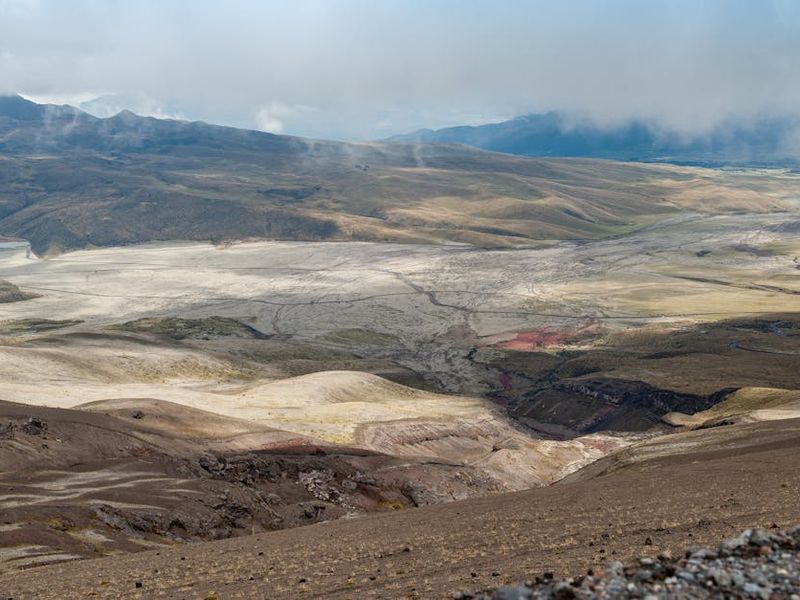
Nature is a central part of life in and around Cuenca, and outdoor activities are natural meeting points. Join hiking groups that explore Parque Nacional Cajas, a high-altitude landscape of lakes, páramo and wildlife about an hour from the city. Weekend trips to waterfalls, birding excursions or cycling along the Tomebamba are popular with expats and locals alike. These activities build camaraderie quickly — shared challenges and stunning scenery are social glue.
Real-Life Examples: How Canadians Have Built Community Here
Stories from fellow Canadians often revolve around small consistent actions: one retiree started a weekly coffee meetup for the curious and it grew into a multicultural potluck; a young professional joined a volunteer literacy program and, within months, had a network of Ecuadorian friends who introduced them to family celebrations; another couple hosted a hockey-viewing party for major Canadian sporting events, which became an annual gathering mixing Canadians and local sports fans.
The common thread is intentionality: take the first step to organize, invite people, and be persistent. People who host — whether for language exchanges, dinners or hikes — are usually rewarded with deeper friendships.
Balancing Canadian Identity and Local Integration
Many Canadians navigate a balance between preserving their cultural habits and embracing Ecuadorian life. You might crave a Canadian breakfast or a familiar holiday ritual, and that’s fine — balance it with local traditions like weekend markets, fiestas and neighborhood gatherings. Making small changes, such as learning local recipes or attending cultural festivals, helps you feel integrated while still celebrating your roots.
Staying Connected with Canada
Even when your social circle in Cuenca grows, maintaining ties to Canada is important for many. Practical ways to stay connected include:
- Scheduling regular calls with family and friends back home.
- Subscribing to Canadian news sources or following Canadian cultural pages on social media.
- Hosting occasional Canada-themed events to keep traditions alive and introduce friends to Canadian culture.
- Keeping documents organized (pensions, passports, health records) and consulting advisors on financial or legal matters that span countries.
Checklist: First 90 Days to Build Your Community
Here’s a compact action plan to jumpstart your social life in Cuenca:
- Join local Facebook groups and meetups to learn about events.
- Visit the Parque Calderón, Calle Larga and riverside promenades to meet people organically.
- Sign up for a Spanish class or language exchange — it accelerates local friendships.
- Find a regular café or market stall and become a familiar face.
- Attend a volunteer event to meet people with shared values.
- Explore outdoor groups for hikes or day trips to Cajas.
- Introduce yourself to neighbors and ask about community events — in Cuenca, introductions often lead to invitations.
Final Thoughts: Your Tribe Is Waiting
Cuenca offers Canadians an environment where building a community is less about finding a single “Canada-like” bubble and more about weaving together friendships that include fellow expats, bilingual locals and Ecuadorian neighbors. With curiosity, consistent effort and an open mind, you’ll find like-minded Canadians and a broader international and local tribe that enriches life abroad. Start online, show up in person, and don’t underestimate the power of hosting a simple potluck — your community is closer than you think.