
Table of Contents
Why Cuenca Attracts Canadians
Cuenca’s mild highland climate, colonial charm and affordable living have made it a top pick for Canadian expats looking to slow down, live well on a pension or work remotely in a friendly, walkable city. At roughly 2,500 meters above sea level, Cuenca offers four-season comfort without extreme heat, easy access to outdoor adventures in Cajas National Park, and a compact historic center where daily errands and social life happen on foot.
Beyond the physical comforts, many Canadians are drawn to Cuenca because it already hosts a lively international community. That means English-friendly services, familiar food choices in supermarkets and ample opportunities to meet people who understand the move from Canada to Ecuador. But the real secret to feeling at home is finding a local tribe — other Canadians and like-minded internationals who share hobbies, values and the occasional craving for maple-sweet treats.
Where Canadians Tend to Live in Cuenca
When scouting neighborhoods, Canadians usually decide between the vibrant Centro Histórico and quieter neighborhoods farther from the main square. Both options have pros and cons depending on lifestyle.
- Centro Histórico and riverside areas — Ideal for people who want historic architecture, cobblestone streets and restaurants within minutes. These areas are walkable and full of cafes, galleries and weekend markets.
- Suburban neighborhoods — Many expats prefer newer apartments or houses a short taxi ride away from the center for more space, parking and modern construction. These neighborhoods often have gated communities, small parks and grocery stores with imported products.
- Near healthcare and amenities — If access to private clinics and international schools matters, look for housing within easy reach of Cuenca’s private medical facilities and supermarkets that stock international brands.
Tip: Spend at least a few weeks staying in different parts of Cuenca before committing to a long-term lease. Short-term rentals and Airbnbs are plentiful and give you a feel for traffic, noise, light, and proximity to services.
Where Canadians Meet: Groups, Clubs and Online Hubs
Finding other Canadians starts online and becomes real-world fast. These are tried-and-true channels for meeting fellow expats:
- Facebook groups — There are multiple active Cuenca expat and English-speaking groups where newcomers ask questions, arrange meetups, list items for sale and advertise events. Search terms like “Cuenca Expats” or “Expats in Cuenca” will surface several groups.
- Internations and MeetUp — International networking platforms host regular events ranging from casual drinks to formal talks on residency and taxes. These are good places to meet professionals and creatives.
- Community clubs — Look for international women’s groups, photography clubs, hiking groups and book clubs. These organizations welcome newcomers and often have monthly meetups and special events.
Pro tip: Don’t be shy about posting a short introduction that you’re a Canadian newcomer. People respond to nationality, holiday plans, or shared interests, and you’ll often get personal invites to dinners, language exchanges or informal coffees.
Regular Social Hubs and Cafés
Some spots in Cuenca naturally attract expats. These are places where conversations about visas, doctors and the best empanadas are part of the atmosphere.
- Popular cafés and bakeries — Look for English-friendly cafes near the central park or museums where many expats grab a weekend coffee. Cafés with outdoor seating are great for casual conversation and people-watching.
- Parks and riverside walks — The Tomebamba Riverwalks and plazas near Parque Calderón are meeting points for morning walkers, photographers and small groups who enjoy leisurely afternoons.
- Cultural venues — Museums, galleries and cultural centers frequently host exhibitions and talks in English or with English materials. These events attract international crowds and provide natural conversation starters.
Making Canadian Traditions Local
Canadians in Cuenca often recreate familiar holiday traditions as a fast way to bond. Common gatherings include Canada Day picnics, Thanksgiving potlucks and Remembrance Day flag ceremonies. If you’re interested in celebrating:
- Offer to host or coordinate a potluck — people love this low-cost, high-connection format and it’s an easy way to meet several families at once.
- Partner with local restaurants — many eateries accommodate themed menus for groups, and a booked dinner gives you a private space to meet others.
- Bring small Canadian touches — a playlist, maple syrup, or familiar snacks can spark conversation and nostalgia without dominating the event.
Ways to Connect Beyond Other Canadians
While it’s comforting to be with fellow Canadians, integrating locally deepens friendships and enriches daily life. Here are approachable ways to meet Ecuadorians and other internationals:
- Spanish classes — Enroll in group lessons or conversation meetups. Language schools often organize cultural activities, trips and exchanges where expats and locals mix.
- Volunteer — Volunteer opportunities with local schools, conservation projects, or social organizations offer meaningful interaction and build lasting connections.
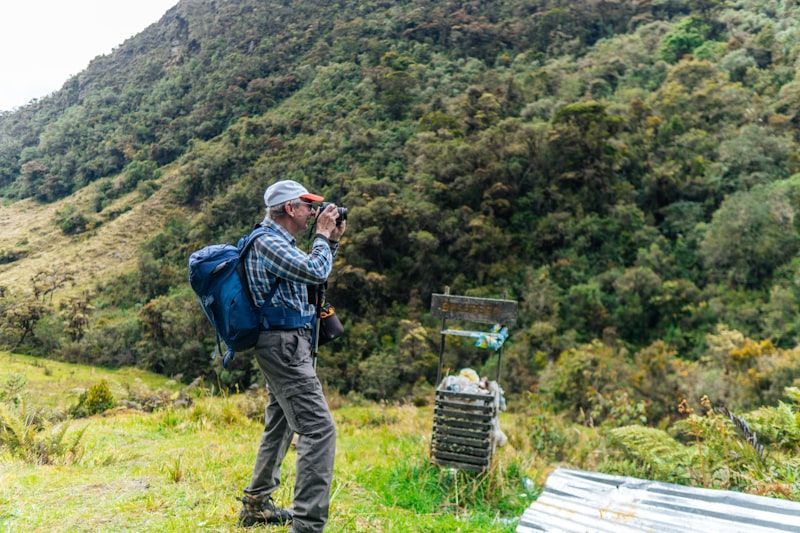
- Sports and hobby groups — Yoga studios, cycling groups and hiking clubs are vibrant in Cuenca. Weekend trips to Cajas or guided hikes provide shared experiences that quickly form bonds.
Practical Tips: Residency, Healthcare, and Banking
Moving to Cuenca involves logistical tasks that many Canadians handle as a community — sharing trusted advisors, doctors and service providers saves everyone time.
Residency and visas
Many Canadians apply for Ecuador’s retirement (pensionado) visa, investor, or family reunification visas depending on their situation. Visa rules change, so research current requirements and consider consulting an immigration lawyer or a reputable visa service in Cuenca.
Healthcare
Cuenca offers a mix of public and private healthcare. Many expats use private clinics and international hospitals for routine care. Ask other Canadians for recommendations for English-speaking physicians, dentists and specialists — word-of-mouth referrals are invaluable.
Banking and finances
Opening a local bank account simplifies day-to-day life. Some Canadian banks offer international services, but most expats use local banks for routine transactions and transfer money as needed. Consult an accountant about Canadian tax obligations and how residency status affects reporting.
Working, Volunteering and Finding Purpose
Not all Canadians in Cuenca are retirees; many work remotely, teach English, or launch small businesses. Here’s a practical breakdown:
- Remote work — Cuenca’s cafes and coworking spaces are friendly to digital nomads. Reliable internet and a reasonable cost of living make remote work viable for many Canadians.
- English teaching — Teaching opportunities exist in language schools and with private students. Teaching can be a social bridge to meet local families and educators.
- Volunteer and consultancy — Using professional skills in non-profits or local businesses helps create meaningful relationships and builds a reputation in town.
Note: Always ensure your visa permits any form of employment you plan to undertake.
Practical Social Strategies: How to Be Welcomed
Integration is a two-way street. Canadians are often praised for politeness and friendliness; here are ways to be a welcomed neighbor in Cuenca:
- Learn Spanish basics — Even simple greetings go a long way and show respect for local culture.
- Attend community events — Parades, markets, and neighborhood festivals are easy places to say hello and be seen regularly.
- Reciprocate hospitality — Exchange small favors, offer to bring a dish, or invite neighbors for coffee.
- Be patient with bureaucracy — Processes can be slower or less formal than in Canada; staying calm and polite usually gets better results.
Safety, Transportation and Daily Life
Cuenca is generally safe and very walkable, but it helps to know a few local details:
- Getting around — Taxis are cheap and plentiful. Many expats use taxis for errands or evening outings. Public buses are inexpensive but can be crowded and less predictable.
- Driving — If you plan to drive, be aware of local driving habits and parking constraints in historic areas. International Driving Permits may be useful.
- Safety — Use common-sense precautions: secure your home, avoid poorly lit areas at night, and keep valuables discreet. Many Canadians report feeling secure in daily life.
Bringing Pets and Keeping Connections to Canada
Bringing a pet requires planning. Rabies vaccinations and export/import paperwork from Canadian authorities and Ecuadorian agricultural services are typically necessary. Start the process early and consult both Canadian government resources and an experienced pet relocation service.
Staying connected to Canada is simple with digital tools. Many expats maintain Canadian bank accounts, file taxes, and keep social ties via video calls and social media. The Canadian government’s Registration of Canadians Abroad is a recommended resource for safety alerts and consular information.
Stories and Small Wins from Canadians in Cuenca
Community-building is often made up of small gestures: a shared Thanksgiving dinner organized in a community kitchen, a group hike to Laguna Toreadora, or a neighborly exchange of baking tips. One common pattern is newcomers attending language classes and then being invited to a local family’s extended-table dinner — a fast way to feel included.
Another frequent anecdote: Canadians forming informal resource lists — plumbers, English-speaking doctors, and reliable movers — and sharing them freely in group chats. These networks move from online recommendations to in-person coffee, then into long-term friendships.
Final Checklist: First 90 Days in Cuenca
- Join a few online Cuenca expat groups and introduce yourself as a Canadian newcomer.
- Stay in different neighborhoods on short-term rentals to test where you feel most comfortable.
- Enroll in a Spanish class — even beginner lessons help open doors.
- Attend at least two meetups (coffee, hiking, or cultural event) in your first month.
- Register with the Government of Canada’s Registration of Canadians Abroad for updates and safety info.
- Ask for referrals to English-speaking doctors and a local accountant familiar with Canadian clients.
- Plan a small Canada-themed gathering as a way to meet other Canadians and internationals.
Conclusion: Building a Canadian Corner — and Beyond
Cuenca offers a welcoming backdrop for Canadians seeking a relaxed life abroad. The city’s compact center, cultural life and outdoor access make it easy to create routines that feel like home. Building community starts with one connection: a language class, a cafe chat, or an invitation to a potluck. From that first hello, a small circle of familiar faces can grow into a support network of Canadians and Ecuadorian friends who make the city feel like a second home.
Whether you want a strong Canadian social core or a blended local life, Cuenca has the pieces you need. Be curious, be patient, and be open to the unexpected friendships that make expat life rich and memorable.