
Table of Contents
Why Cuenca is the best choice for dental tourism and healing
If you’re planning dental implants, crowns, or veneers, Cuenca, Ecuador should be at the top of your list. For dental tourists coming from the U.S. and Canada, Cuenca offers dramatic cost savings (often 60–70% less), highly trained dentists educated at top universities, modern clinics with cutting-edge technology, and short wait times that get you treated and healing without months of delay. But what makes Cuenca truly exceptional is how the city supports recovery: mild year-round weather, tranquil colonial streets, abundant parks and riverside promenades, and a thriving food scene that can cater to the soft-diet needs of post-op patients.
Dental care in Cuenca: modern, affordable, and patient-centered
Cuenca’s dental clinics are known for one-on-one care and a patient-first approach. Many dentists in the city completed advanced training at reputable universities and maintain continuing education with international programs. Clinics are equipped with digital imaging, CBCT scans, CAD/CAM milling for same-day crowns, and sterile operating protocols comparable to North American standards. Because the overhead and pricing structures in Ecuador are lower, you get exceptional value — world-class treatment at a fraction of the cost.
Why the city itself aids recovery
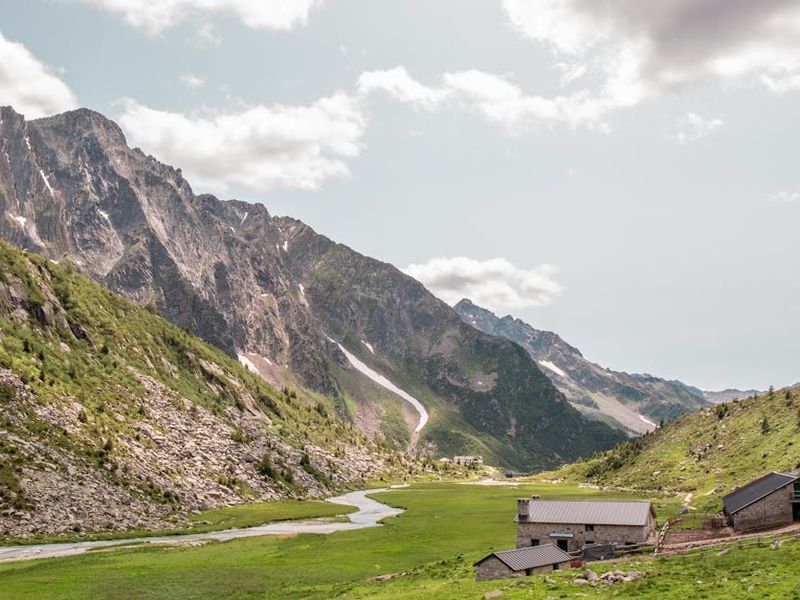
Recovery after implants benefits from a calm, comfortable environment: low-stress daily life, walkable historic neighborhoods, and easy access to fresh, nutritious food. Cuenca’s elevation (~2,560 m) means sunny, cool days and little humidity — ideal for resting in the open air without the heavy heat or sweltering humidity that can complicate healing. Short drives to scenic spots like Cajas National Park and gentle riverside walks along the Tomebamba offer restorative outings that don’t strain your jaw or overall well-being.
What dental tourists need from restaurants after implant surgery
After implant surgery you’ll want places that offer: soft, protein-rich meals; minimal chewing and low-temperature options; okay-to-blend dishes and broths; friendly staff who will modify dishes on request; and convenient delivery or hotel room service for early recovery days. Cuenca’s food scene delivers all of this — from cozy cafés and soup-focused eateries to upscale restaurants willing to prepare soft bespoke plates.
Soft-diet friendly foods and local favorites to prioritize
When planning meals in Cuenca, target high-quality proteins, complex carbs that mash smoothly, and nutrient-rich liquids. Here are practical, local-friendly options:
- Locro de papa: This traditional Andean potato and cheese soup is silky and filling — a perfect soft-food staple.
- Caldo de gallina or chicken broth: Rich, comforting, and easy to sip, broths help hydration and provide protein without chewing.
- Avocado (palta): Creamy and packed with healthy fats — spread, mash, or blend into smoothies.
- Well-cooked quinoa or white rice: Soft, easy to swallow when cooked thoroughly and often paired with gentle proteins.
- Soft fish and shredded chicken: Ask restaurants to flake or puree proteins; fish like tilapia cooks soft and is widely available.
- Yogurt, custards, and avena (oat porridge): Great for breakfast and snacks, easy on fresh sutures and swelling.
- Mashed plantains or papa sancochada (boiled potatoes): Local sides that are both familiar and healing-friendly.
Types of Cuenca eateries ideal for dental tourists
Here are restaurant categories to target during your recovery, with ideas on what to order and how to ask for modifications:
- Comfort food cafés and soup houses: These often serve thick soups, purees, and soft sandwiches — perfect for early recovery. Ask for soups without large chunks and with extra broth.
- Juice bars and smoothie shops: A lifesaver for protein shakes, fruit smoothies with added protein powder, or blended avocado drinks. Great for on-the-go nutrition when you’re easing back into eating.
- Hotels and guesthouses with kitchenettes: Staying somewhere with a small kitchen gives you total control: make oatmeal, mash potatoes, or prepare blended meals recommended by your clinician.
- International restaurants open to customization: Many chefs in Cuenca are used to adapting dishes for tourists — request softened pasta, pureed vegetables, or flaked fish in cream sauces.
- Markets with prepared food stalls: Look for vendors selling caldo, soups, and soft stews; many can pack takeout that’s easy to reheat.
Neighborhood guide: where to eat while you recover
Cuenca’s compact city center is a boon for dental tourists. Here are neighborhoods to base yourself in, with practical benefits for healing and dining:
- Historic Center (El Centro) around Parque Calderón: Walkable streets, many cafés and restaurants within a few blocks, and easy access to pharmacies and clinics. Ideal if you want to be close to museums and gentle riverside strolls as you heal.
- Along the Tomebamba River: Scenic walks and several cafes that are accustomed to international visitors. Great for low-stress afternoons with blended drinks and soups.
- Barrio San Sebastián: A quiet area with residential dining options and bakeries that can make soft items and simple takeout for recovery days.
- Near Mercado Central and local markets: If you prefer fresh, local prepared broths and soups, markets are convenient — plus you can buy fresh avocados, eggs, and soft cheeses to prepare at your lodging.
Practical tips for ordering and dining post-op in Cuenca
Make your meals easy and safe with these restaurant and nutrition tips:
- Call ahead: Many restaurants in Cuenca are happy to prepare softer versions of their dishes if you explain you’ve had dental surgery. A short phone call or message is all it takes.
- Bring a blender or check if your lodging has one: Smoothies and purees are essential. Most apartments and some hotels provide a basic blender on request.
- Use delivery apps or ask for hotel room service: Cuenca has reliable delivery options and many restaurants will deliver soft meals to your door — ideal for the first 48–72 hours.
- Avoid alcohol and smoking: These impair healing and will often be discouraged by your dental team. Use your restaurant outings as sober, restorative experiences instead.
- Hydrate with electrolytes and broths: Especially at Cuenca’s elevation, staying hydrated is important for healing and avoiding dizziness while on pain medication.
- Check salt and spice levels: Ask for mild seasoning to avoid irritation to oral tissues and to keep food comfortable to eat.
Sample 7-day soft-food meal plan using Cuenca’s local ingredients
This plan mixes local flavors with healing-friendly options — flexible and easy to order at restaurants or prepare in a short-term rental.
- Day 1 (first 24–48 hours): Clear chicken broth (caldo de gallina), plain yogurt, room-temperature water with electrolytes, mashed avocado.
- Day 2: Thick locro de papa (potato soup), blended banana-avocado smoothie with protein powder, soft white rice con caldo.
- Day 3: Pureed chicken soup, soft scrambled eggs, well-cooked quinoa porridge with warm milk.
- Day 4: Flaked steamed fish in light cream sauce (have kitchen flake finely), mashed plantain, yogurt with honey.
- Day 5: Creamy vegetable soup (ask for pureed), soft pasta in cream sauce, small portions of avocado and soft cheese.
- Day 6: Smoothie bowl (not crunchy) with blended fruits, oatmeal, and mashed potatoes with a soft protein like shredded chicken.
- Day 7: Test firmer textures gently; try softened rice with stewed vegetables and well-tenderized fish or poultry. Always follow your dentist’s timeline for solids.
How to combine recovery with guilt-free sightseeing
Part of the appeal of dental tourism in Cuenca is pairing treatment with restorative travel. Short, low-intensity activities accelerate emotional recovery without stressing your healing tissues. Consider:
- Easy riverside strolls along the Tomebamba — flat, scenic, and close to cafés for soft snacks.
- Museum visits such as Pumapungo — quiet indoor time with benches when you need a rest.
- Day drives to Cajas National Park for photo stops and gentle walks — the crisp air and landscapes boost morale without heavy exertion.
- Relaxed afternoon tea or coffee (decaf if you’re avoiding caffeine) at courtyard cafés in the Historic Center — social but calm.
Clinic-to-restaurant partnerships and concierge help
Many Cuenca clinics that cater to dental tourists offer concierge services: they’ll recommend or even reserve restaurants, suggest soft-diet menus, and coordinate delivery to your hotel. Clinics often work with local translators and patient coordinators who understand dietary restrictions and the post-op healing timeline. Don’t hesitate to ask your clinic for a list of restaurants they trust for recovery-oriented meals.
Short wait times and personalized care — a major advantage
Unlike busier medical tourism hubs that can have long wait lists, Cuenca clinics often offer shorter scheduling windows, enabling you to book a series of appointments around your travel plans. The smaller patient loads also enable more personalized, face-to-face care. That means your dentist will usually spend time going over aftercare instructions, dietary recommendations, and timeline expectations — including exactly when you can resume local restaurants and which dishes to choose.
Advanced procedures, great value: implants, crowns, veneers
Getting implants, crowns, or veneers in Cuenca represents exceptional value. The cost savings allow many patients to select higher-quality materials or additional aesthetic work that might be cost-prohibitive at home. With modern in-clinic labs, same-day crowns via CAD/CAM, and experienced implant surgeons, patients receive durable solutions without cutting corners. Combine that with the option to relax and recuperate in a city made for gentle recovery, and the overall package becomes hard to beat.
Important medical considerations for travelers
Before you travel, consult both your dentist and your primary care physician. Discuss medications (especially antibiotics and pain relief), the effects of altitude on anesthesia sensitivity, and any chronic conditions. Bring a written aftercare plan, your prescription medications, and contact information for your clinic. In Cuenca, English-speaking coordinators are common in clinics that serve international patients, but bringing printed instructions helps you communicate with restaurants and hotels as well.
Final tips: plan your meals like a recovery strategy
Your food choices are a key part of a successful dental tourism experience in Cuenca. Plan your accommodations near the Historic Center or riverside for easy access to soft-food cafés and pharmacies. Ask clinics for restaurant recommendations and consider staying in a place with a kitchenette for at least the first week. Hydrate, prioritize protein and warmth, and lean on Cuenca’s friendly food scene — chefs and vendors are used to accommodating visitors, and many will happily soften or puree dishes to support your healing.
Conclusion: Cuenca — a smart, beautiful place to get dental work done and recover well
Choosing Cuenca for dental implants or other major dental work gives you more than savings: it gives you modern clinical care, short waits, one-on-one patient attention, and a city uniquely suited to calm recovery. The culinary scene here can be shaped around your healing needs — from nourishing locros and broths to protein-packed smoothies and customized restaurant plates. When cost, quality, and recovery environment all matter, Cuenca stands out as one of the best places in the world for dental tourism. Plan carefully, lean on local expertise, and enjoy the restorative combination of excellent dentistry and delicious, recovery-friendly food.
Adam Elliot Altholtz serves as the Administrator & Patient Coordinator of the “Smilehealth Ecuador Dental Clinic“, along with his fellow Expats’ beloved ‘Dr. No Pain‘, right here in Cuenca, Ecuador, and for purposes of discussing all your Dental needs and questions, is available virtually 24/7 on all 365 days of the year, including holidays. Adam proudly responds to ALL Expat patients from at least 7:00am to 9:00pm Ecuador time, again every single day of the year (and once more even on holidays), when you write to him by email at info@smilehealthecuador.com and also by inquiry submitted on the Dental Clinic’s fully detailed website of www.smilehealthecuador.com for you to visit any time, by day or night. Plus, you can reach Adam directly by WhatsApp at +593 98 392 9606 -or by his US phone number of 1‐(941)‐227‐0114, and the Dental Clinic’s Ecuador phone number for local Expats residing in Cuenca is 07‐410‐8745. ALWAYS, you will receive your full Dental Service in English (NEVER in Spanish), per you as an Expat either living in or desiring to visit Cuenca by your Dental Vacation, plus also to enjoy all of Ecuador’s wonders that are just waiting for you to come arouse and delight your senses.