
Table of Contents
Introduction: Why mastering Cuenca’s transport matters
Cuenca is compact, walkable and full of history — but knowing how to use the city’s public transport turns an okay stay into a smooth, efficient experience. Whether you live here as an expat or are visiting for a few weeks, understanding the tram, local buses, intercity coaches, taxis and ride-hailing options will save you time, money and stress.
This guide breaks down each mode of transport, how to pay, tips for safety and accessibility, and practical scenarios like getting from the airport to the historic center.
The transport mix: What to expect
Cuenca’s public transport is a mix of modern and traditional services. The tram provides a fast, fixed route through the heart of the city while dozens of bus lines cover neighborhoods and suburbs. Taxis and shared vans round out short-distance travel, and an interprovincial terminal connects Cuenca to the rest of Ecuador.
The Tranvía (tram)
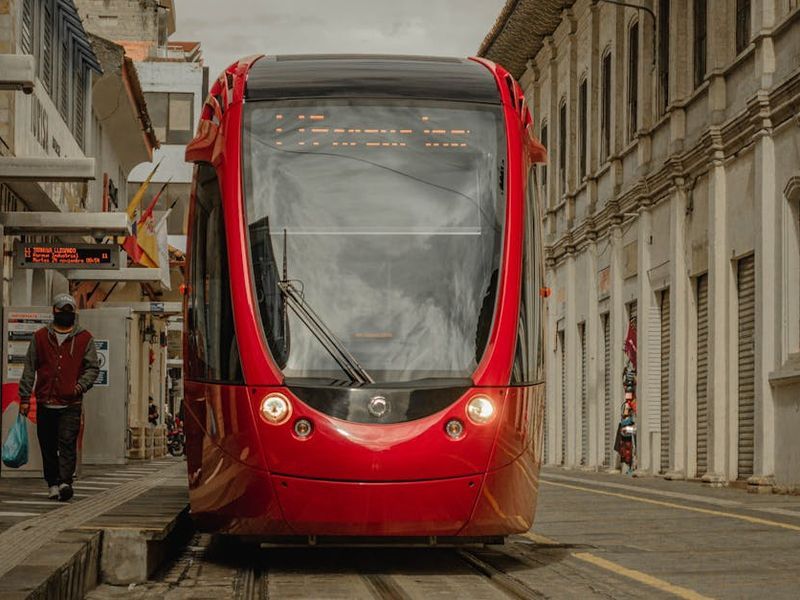
The Tranvía de Cuenca is the city’s light rail system. It runs through central corridors, linking major stops in the historic district, commercial zones and other busy areas. Trams are usually punctual, run on dedicated tracks, and are a good choice for rush-hour travel when traffic can slow buses.
Practical tips:
- Buy or top up a rechargeable transit card at station kiosks or vending machines — cash on board is often not accepted.
- Stations have maps and electronic displays showing next departures; trains arrive frequently during the day and less often late at night.
- Observe boarding etiquette: wait behind the yellow lines, allow passengers off before you board, and offer priority seating to seniors and pregnant riders.
City buses
Buses form the backbone of city transit. Local buses vary from modern low-floor vehicles to older buses with less legroom. Routes crisscross the city and reach neighborhoods the tram doesn’t serve.
Practical tips:
- Look for route numbers and destination signs on the front of the bus. If in doubt, ask the driver or a nearby passenger in simple Spanish: “¿Va para el centro?” (Is this going to the center?).
- Most city buses require exact change or payment with the transit card. Keep small denominations handy.
- You can usually flag buses down anywhere along the route — not all stops are formal shelters — but stand clearly at the edge of the road and make eye contact with the driver.
Interprovincial buses (long-distance coaches)
If you plan to explore beyond Azuay province, interprovincial buses are comfortable and affordable. Coaches run from the city’s main bus terminal to Quito, Guayaquil and towns across the region. They vary from standard to executive classes with reclining seats and onboard restrooms.
Practical tips:
- Buy tickets at the terminal or book online through reliable operators. For popular routes, reserve in advance during holiday seasons.
- Keep your luggage tag and boarding receipt with you — terminal staff and drivers check them at loading time.
- Arrive at least 30 minutes before departure to allow for check-in and loading.
Taxis, shared taxis and ride-hailing
Taxis are plentiful in Cuenca and usually metered, but it’s common to negotiate short fares for certain routes. Shared taxis — minivans or sedans that follow fixed routes and pick up multiple passengers — are a lower-cost, local option.
Ride-hailing apps and alternatives
Ride-hailing apps operate in many Ecuadorian cities, and availability in Cuenca has grown. Apps can be convenient for transparent pricing, card payments and tracking. Availability may fluctuate by time and location, so have a backup plan.
Safety and tips for taxi travel
- Use registered taxis or an app. Ask the driver to turn on the meter if the car is metered — if there is no meter, agree a price before you ride.
- For late-night trips, choose a taxi from a taxi rank or request a dispatch via phone or app rather than hailing from the curb when streets are quiet.
- Note a vehicle’s license plate and driver ID before you get in, and share the ride details with a friend if you’re traveling alone late at night.
Practical how-tos: Tickets, cards and paying fares
Cuenca has moved toward cashless payment on many modes of transport. Here’s how to manage fares efficiently:
Transit cards and reloads
Most regular commuters use a rechargeable transit card accepted on the tram and many buses. You can purchase and reload cards at station kiosks, official vendor booths, and at some convenience stores. Keep your card topped up, especially before rush hour.
Cash and coins
While electronic payments are growing, many buses still accept cash. Bring small bills and coins to avoid being unable to board because you can’t make exact change.
Key routes and common trips
Learning a few common routes will make life easier. Here are practical examples for everyday travel:
From the airport to the historic center
Mariscal Lamar (Cuenca) Airport is small with limited public transit directly from the terminal. Taxis and private shuttles are the most common way into the city center and are usually faster and more convenient if you have luggage. If you prefer public transit, check if shuttle services are operating or ask at the arrivals desk about shared transfers.
Getting to the main bus terminal
The city’s interprovincial bus terminal is the hub for long-distance travel and is well-served by local buses and taxis. Allow extra time during peak periods and when loading luggage, as terminal processes can add minutes to your journey.
Moving between neighborhoods
To go from the historic center to residential or expat neighborhoods, combo routes often work best: take the tram to a central transfer point and hop a local bus or a short taxi ride the rest of the way.
Apps, maps and planning tools
Digital tools make navigating Cuenca much easier:
- Google Maps generally provides reliable city transit options and walking times. It often shows tram stations and many bus routes.
- Transit and Moovit are helpful for real-time departures and alerts. Their crowd-sourced data can show delays and alternative routes.
- Official tram websites and station kiosks display route maps, fare info and service changes — check them if you’re planning travel around service disruptions or holidays.
Accessibility, bikes and luggage
Cuenca has made strides toward better accessibility, but not every vehicle or stop is fully accessible.
Accessibility
Tram stations and many modern buses have ramps or low floors, but older buses may have steps. If you have mobility needs, plan routes that use tram stops or newer buses and ask drivers or station staff for assistance when possible.
Bicycles and last-mile travel
Short trips by bike, scooter or on foot are common. Some buses allow foldable bikes when space permits; policies vary. If you’ll rely on a bicycle, identify bike-friendly routes and secure parking near major stations.
Luggage on buses and trams
For long-distance travel, coaches have undercarriage storage for larger luggage. On city buses and the tram, keep luggage close to you and out of the aisles. Consider a carry-on-sized bag for on-board comfort.
Safety, etiquette and local customs
Observing a few simple behaviors will make rides more pleasant and help you blend in:
- Let passengers disembark before boarding and move toward the rear to make room.
- Avoid loud phone conversations and phone calls on crowded vehicles; speak quietly or step off to take calls.
- Protect your belongings — pickpocketing can happen on crowded buses. Keep valuables zipped and close to your body.
- Respect priority seating for seniors, parents with small children and people with disabilities.
Cost-saving strategies
Saving money on transport is easy with a few habits:
- Buy a transit card if you’ll ride regularly — discounted fares and faster boarding typically justify the initial cost.
- Travel outside peak hours when fares and demand are lower for taxis, and buses are less crowded.
- Use shared taxis or ride-pooling when available for longer trips rather than private taxi rides.
When things change: strikes, holidays and service alerts
Like many cities, Cuenca periodically experiences service changes during national holidays, strikes or special events. Watch local news, the tram operator’s announcements, and social media to stay informed. When in doubt, leave earlier than usual to compensate for delays.
Sample daily plan: A typical commute
Here’s a hypothetical commute to illustrate how the network works:
Start with a short walk to a tram station, swipe your transit card, ride two stops to a central transfer hub, then switch to a bus that takes you through quieter residential streets to your neighborhood. If you’re running late, a quick taxi or app-based ride covers the last mile in minutes. This mix of tram+bus+taxis is common and efficient.
Wrapping up: Your road map to confident travel in Cuenca
Cuenca’s transport system combines modern rail, a dense bus network and plentiful taxis to create practical options for nearly every trip. Learn a few routes, keep a transit card topped up, use apps to check schedules, and always protect your belongings. With a little local savvy, you’ll be riding like a resident in no time.
Quick checklist before you head out:
- Transit card or small change on hand
- Phone with at least one mapping or transit app
- Plan for accessible options if needed
- Backup taxi option for late nights or airport transfers
Enjoy exploring Cuenca — its streets, markets and plazas are best experienced at your own pace, and understanding the transport system makes discovering those corners far easier.