
Table of Contents
Why this guide matters
Cuenca’s compact historic center, broad avenues and lively neighborhoods make it one of Ecuador’s most walkable cities — but learning the public-transport system will save you time and money. Whether you’re a new expat, a digital nomad, or a visitor planning an extended stay, this guide covers the realistic, on-the-ground details: types of vehicles, how to read routes, money-saving tricks, safety pointers, and step-by-step journeys you’ll use repeatedly.
Overview of Cuenca’s transport landscape
Public transport in Cuenca is a patchwork of options: municipal and private buses that crisscross the city, shared taxis and colectivos on set routes, metered taxis that dominate short trips, intercity coaches that connect to the rest of Ecuador, and an airport a short drive away. Services range from modern minibuses to older, no-frills busetas — and the rhythm of daily life revolves around them.
Urban buses: what to expect
Buses are the backbone of local travel. Most urban routes are run by private cooperatives but follow widely known corridors: routes from suburban neighborhoods into the Centro Histórico and connections between major commercial zones. Expect frequent stops, crowded peak-times, and drivers who sometimes call out major stops or display route numbers in the windshield.
Practical tips for riding buses:
- Carry small bills and coins: drivers expect cash and rarely make change for large notes.
- Board through the front, tell the driver your destination or wait for the stop signal; in many buses you’ll need to say “parada” or tap the metal bar.
- Peak times are weekday mornings (7–9am) and evenings (5–7pm); avoid if you need space or a quiet ride.
- Look for route numbers and destination signs in the front window; if you’re unsure, ask the driver or a fellow passenger.
Shared taxis and colectivos: faster, cheaper middle ground
Shared taxis, often called colectivos, follow fixed routes and leave once full or on a schedule. They’re typically slightly more expensive than a bus but faster, since they make fewer stops. If you live in a neighborhood where buses are infrequent, colectivos are a great compromise.
How to use them:
- Stand at known pickup points — these are often informal but consistent: main intersections, market entrances, and near bus terminals.
- Ask the driver if the colectivo goes to your destination before boarding, and confirm the price.
- Carry exact change and expect to alight at a prominent intersection rather than a precise address.
Taxis: hailing, fares, and safety
Taxis are plentiful in Cuenca and convenient for short trips, early-morning rides or when you have luggage. Most taxis have meters, but not all drivers use them — always confirm the fare or insist on the meter. A gentle negotiation before starting the trip is normal if the meter isn’t used.
Tips for taxi use:
- Prefer taxis from a taxi stand, a radio-dispatched company or a ride-hailing app when available — these tend to be safer and less prone to overcharging.
- If a meter isn’t used, ask for an estimated fare before departing and agree on it. Carry small bills for exact payment.
- For late-night travel, use a taxi dispatcher or ask your host/hotel to order a trusted driver.
Ride-hailing apps and their place in Cuenca
Ride-hailing availability changes with law and company decisions. Apps can be intermittent but often work during busy hours and for airport transfers. If you rely on an app, keep a backup plan (cash for taxis or a known dispatcher number) and verify estimated fares before requesting the ride.
Getting to and from Mariscal Lamar Airport
Cuenca’s international airport (CUE) sits outside the city center and is the most convenient entry point for many travelers. There’s no single official shuttle for all passengers, so most visitors use taxis, app-based rides, or pre-arranged hotel transfers. The ride to downtown is typically short (under 30 minutes depending on traffic) and costs noticeably more than an urban bus but far less than airport transfers in larger capitals.
Airport travel tips:
- Arrange a pick-up if you arrive late or have heavy luggage — many hotels offer reliable shuttle service.
- If you take a taxi from outside the terminal, confirm the fare before loading luggage into the trunk.
- For budget travelers, ask at the information desk about shared shuttles or nearby bus stops that go toward the city.
Intercity buses and the Terminal Terrestre
The city’s long-distance bus terminal (Terminal Terrestre) is where you’ll catch coaches to Quito, Guayaquil, Loja and regional destinations. Intercity buses range from standard to comfortable express services. Schedules and comfort vary by company, so compare coaches for legroom, luggage allowances and direct routes.
Tips for intercity travel:
- Buy tickets in advance during holidays and weekends — buses fill quickly for popular routes.
- Confirm luggage policies and whether the bus stops frequently; express coaches with fewer stops save time.
- If you’re leaving early in the morning or late at night, arrive at the terminal with extra time for boarding and security checks.
Bicycles and walking: the most local way to explore
Cuenca’s central area is highly walkable — many expats and locals prefer walking for short trips. The city has an expanding network of bike lanes and a strong cycling culture. If you enjoy two wheels, renting a bicycle or buying a used one can be both economical and healthy.
Bike tips:
- Use well-lit, main roads at night and lock your bike with a sturdy U-lock when parked.
- Follow local cycling rules and watch for buses that may pull to the curb; signal early for turns.
- Join local expat or cycling groups to learn safe routes and maintenance tips.
Driving and car rental: when it makes sense
Driving in Cuenca is handy for exploring surrounding valleys and day trips, but not necessary for daily life if you live near the center. Streets in the old town are narrow and parking can be limited. If you plan to rent a car, select compact models and verify insurance coverage for Ecuador.
Practical driving pointers:
- Reserve parking in advance if your accommodation doesn’t include it; look for guarded lots in busy neighborhoods.
- Watch out for traffic patterns during local markets and festivals which often close streets without much notice.
- Consider renting for specific excursions (Cajas National Park, nearby towns) rather than keeping a car year-round.
Planning routes: maps, apps, and local knowledge
Google Maps gives a good start for walking and driving routes, but bus route data can sometimes be incomplete. Use a combination of tools: Google Maps, Moovit for public-transit lines where available, and local Facebook groups or expat forums for the most current tips. Asking a shopkeeper or landlord about the best bus to a nearby landmark often produces instant, accurate directions.
How to ask for directions in Spanish:
- “¿Qué bus me lleva a…?” — What bus takes me to…?
- “¿A qué paradero debo bajar para…?” — Which stop should I get off at for…?
- “¿Cuánto cuesta hasta…?” — How much to go to…?
Accessibility and traveling with mobility needs
Public transport in Cuenca varies widely in accessibility. Some modern buses have low floors and grab rails, but many older vehicles and colectivos are not wheelchair-friendly. Plan trips in advance and contact municipal services or disability support groups for recommended routes and drivers who can assist with boarding.
Accessibility tips:
- Avoid rush hour if you need space to maneuver; request help from fellow passengers when boarding if necessary.
- For medical appointments, consider arranging a private taxi or a hotel shuttle for guaranteed assistance.
Common day-to-day journeys with step-by-step guidance
Here are a few practical examples you’ll use again and again.
From an apartment in the suburbs to Parque Calderón (Centro)
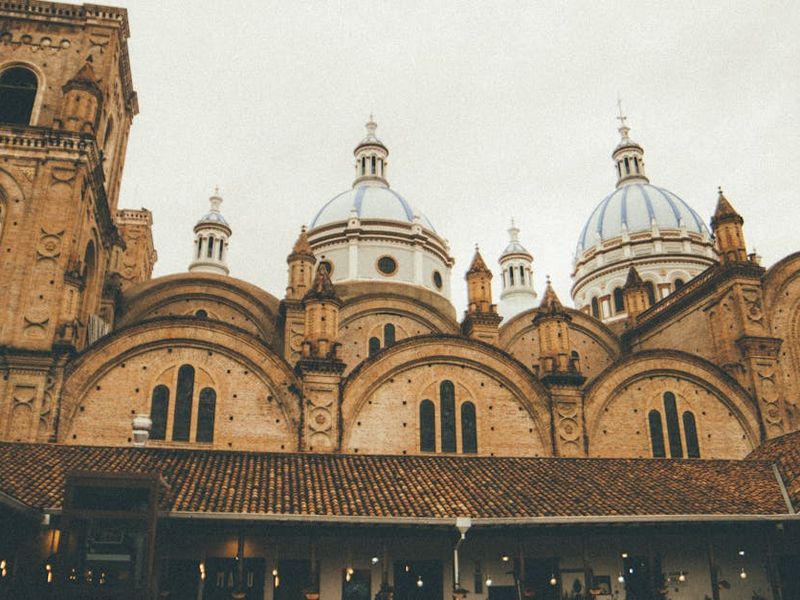
Look for the bus that names the Centro or Centro Histórico as its terminus; confirm with the driver or riders that it stops at or near Parque Calderón. Pay in cash as you board, keep your bag visible in front of you, and prepare to step off when you pass the cathedral — it’s the most obvious central landmark.
From the airport to a downtown hotel
Pre-book a hotel transfer for peace of mind, or go to the official taxi stand and confirm the price or meter. If you use an app, verify the vehicle plate before entering. Expect the drive to be a short to moderate one depending on traffic; if you have many bags, a taxi or private shuttle is worth the extra cost.
From Cuenca to Quito or Guayaquil by bus
Buy a ticket at the Terminal Terrestre or online when possible. Choose express buses for fewer stops and better comfort for the several-hour journey. Pack snacks and a light jacket; mountain routes can be cooler at higher altitudes.
Money, etiquette and safety reminders
Carry smaller bills, keep valuables out of sight, and use a money belt if you’re in crowded buses or markets. Basic social etiquette — greeting the driver, saying thank you (gracias) when you get off — goes a long way. If someone small-talks in line or on a bus, a brief friendly reply is customary in Ecuador. For personal safety, avoid displaying expensive electronics in quiet, unfamiliar neighborhoods at night.
Staying current: changes happen
Transport rules, fares and app availability can change. The municipal government may roll out new routes or payment card systems; cooperatives can reorganize routes. Keep up to date via local news outlets, the municipal website, expat Facebook groups and conversations with neighbors. When in doubt, ask someone who uses the route daily.
Final checklist for confident travel in Cuenca
- Carry small change and a charged phone with maps and a local SIM or roaming plan.
- Learn a few Spanish phrases that help you ask for stops and directions.
- Know at least one taxi dispatcher or have a reliable ride-hailing app on your phone.
- Plan around rush hour and market closures to avoid long waits or sudden route changes.
- Use shared taxis for faster trips along main corridors; use buses for the lowest cost.
Cuenca’s transport system rewards curiosity and a little local knowledge. Once you learn the main corridors, the city becomes easier to love — not only because it’s more accessible, but because you’ll begin spotting neighborhoods, markets and cafés that guidebooks miss. With a few practical habits — small change ready, a trusted taxi dispatcher, and a favorite bus route — you’ll navigate Cuenca like a resident in no time.