
Table of Contents
Why Cuenca deserves a spot on your Ecuador itinerary
Nestled high in the southern Andes, Cuenca blends colonial architecture, a relaxed pace of life, and easy access to dramatic mountain landscapes. Its cobblestone streets, riverside promenades, and red-domed cathedral make it one of Ecuador’s most photogenic cities — and a comfortable place for first-time visitors to get used to Andean culture and altitude. This guide gives practical, on-the-ground advice so you can travel smarter and enjoy more.
Quick facts to know before you go
- Elevation: around 2,560 meters (about 8,400 feet) — allow a day or two to acclimatize.
- Currency: United States dollar (USD) — cash and small bills are useful for markets and taxis.
- Climate: mild year-round with cool nights; rainy season tends to be wetter through the first half of the year.
- Main airport: Mariscal Lamar Airport (CUE) serves domestic flights; many international visitors come via Quito or Guayaquil.
- Language: Spanish is dominant; English is spoken in many tourist businesses but basic Spanish phrases go a long way.
Getting to Cuenca: plane, bus, or a scenic road trip
If you’re flying from Quito or Guayaquil, short domestic flights land at Mariscal Lamar Airport. The runway and approach can be affected by weather, so keep a flexible schedule and allow extra time for connections. If you prefer overland travel, comfortable intercity buses connect Cuenca to Quito (about 8 hours) and Guayaquil (around 4 hours). Executive-class buses offer reclining seats and onboard restrooms — a relaxing and scenic option if you have time.
Tips for arriving by plane
- Check flight status ahead of time; mountain weather occasionally delays small domestic flights.
- Pre-book an airport transfer if arriving late — taxis and shared vans are available but it’s easier to have a driver waiting for you.
Where to stay: neighborhoods that fit different travel styles
The historic center (Centro Histórico) puts you within walking distance of Parque Calderón and the Cathedral — ideal for first-timers who want to explore on foot. For a quieter, more residential feel, neighborhoods along the Tomebamba River and near the artisan neighborhood of San Sebastián offer charming cafés, bakeries, and short walks to the main attractions.
Cuenca also has plenty of guesthouses (pensiones), mid-range hotels, and vacation rentals. Book early if you travel during holidays or festival periods — rooms fill up quickly.
Must-see sights and local experiences
Plan at least two full days to get a good feel for Cuenca. Here are highlights you won’t want to miss.
Parque Calderón and the New Cathedral
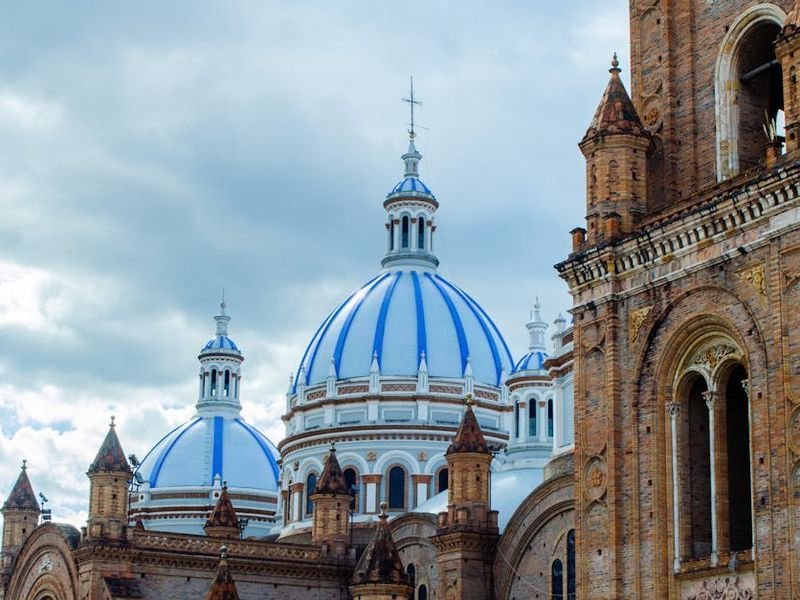
The heart of the city, Parque Calderón, is framed by shops, cafés, and the impressive Catedral de la Inmaculada Concepción — the “New Cathedral” with its distinctive blue domes. Climb a tower for sweeping views of the city and surrounding mountains.
Museo Pumapungo
Museo Pumapungo combines archaeology, ethnography, and well-preserved Inca-era ruins. Its gardens are pleasant and informative, giving context to the cultures that shaped the region.
Tomebamba river walks and El Barranco
The riverfront paths offer a lovely, cooler stroll with views of colonial walls and gardens. Head to El Barranco for restaurants with a view and for appreciating the city’s layered history.
Turi viewpoint
A short taxi ride up to Turi rewards you with panoramic views over Cuenca; it’s also a good spot to buy artisanal items and sample local snacks.
Day trips: El Cajas, Chordeleg, and Gualaceo
Cajas National Park is one of Ecuador’s most dramatic highland landscapes — perfect for hiking among glacial lakes and páramo ecosystems. For artisan shopping, visit Chordeleg for silver filigree jewelry and Gualaceo for textiles and local crafts. Don’t miss historic colonial towns like Girón for traditional architecture and quieter streets.
Practical safety and health tips
Cuenca is often ranked among Ecuador’s safer cities, but basic precautions still apply. Use a money belt or a front pocket for passports and cash, avoid poorly lit alleys at night, and keep a copy of your passport separate from the original. Emergency services are accessed by dialing 911.
Altitude: what to expect
The elevation in Cuenca can affect breathing, energy, and sleep. Signs of mild altitude sickness include headaches, fatigue, and shortness of breath. Practical steps to reduce symptoms: rest on arrival, hydrate, avoid heavy meals and alcohol for 24–48 hours, and consider acclimatizing in stages if you’re coming from sea level.
Health care and pharmacies
Pharmacies are plentiful and many doctors speak enough English for routine care; private clinics can handle more serious needs. If you take prescription medications, bring originals and enough supply for your stay. Travel insurance that covers medical evacuation is a smart precaution for high-altitude activities outside the city.
Money matters: dollars, ATMs, and tipping
Because Ecuador uses the U.S. dollar, no currency exchange is needed. Still, carry small bills and coins for markets, taxis, and tips — many small vendors don’t accept cards. ATMs are widely available; bank ATMs usually have lower fees than independent machines.
Tipping culture
Restaurants may include a 10% service charge; if they do not and service is good, leave 5–10% extra. Round up taxi fares for short rides or agree on a price beforehand if the taxi doesn’t use a meter. Guiding and tour services typically expect a tip if the experience was positive.
Getting around the city: walking, buses, and taxis
Cuenca’s compact historic center is best explored on foot — you’ll find many attractions are a short stroll apart. For longer trips, buses are inexpensive and frequent. Taxis are a convenient option: agree on the fare before you go unless the taxi uses a meter. Ride-hailing apps and airport transfer services operate in the city; check current availability when you travel.
Walking tips
- Bring comfortable shoes for cobblestones — some streets are uneven and slippery when wet.
- Carry a light rain jacket and a small daypack; weather can shift quickly in the highlands.
What to pack for Cuenca’s microclimates
Cuenca’s weather can change from cool and sunny to sudden rain within hours. Packing layers is the most practical approach.
- Light fleece or sweater for evenings and higher-altitude day trips.
- Waterproof jacket or a lightweight umbrella.
- Sun protection: sunglasses, hat, and sunscreen (the sun is intense at altitude).
- Comfortable walking shoes for cobbled streets and hiking shoes for Parque Cajas.
- Reusable water bottle — refillable in many cafés and hotels.
Food, markets, and culinary tips
Cuenca has a thriving food scene that ranges from traditional Ecuadorian comfort foods to creative restaurants using local ingredients. Try llapingachos (potato pancakes), hornado (roast pork), mote (hominy), and sampling fresh fruit from local markets. If you’re adventurous, you can try cuy (roasted guinea pig) at specialty restaurants.
Visit the local markets
Central markets are lively places to try street food, buy fresh produce, and shop for handicrafts. Haggling is normal at artisan stalls — start lower and be polite. Hand-made goods, including traditional toquilla straw hats (often called Panama hats), make meaningful souvenirs.
Local customs and etiquette
Cuencanos are friendly and often formal in greetings — a handshake and a short greeting is common for first-time interactions, while a cheek kiss may be used among friends. Dress is generally neat, especially in churches and formal settings. Learning a few Spanish phrases such as buenos días, por favor, and gracias will be appreciated and opens more interactions.
Sample 3-day itinerary for first-timers
Here’s a compact plan to maximize your first visit to Cuenca.
- Day 1: Walk the historic center, visit Parque Calderón and the New Cathedral, explore nearby cafés and the Tomebamba riverside in the evening.
- Day 2: Museo Pumapungo in the morning, artisan shops in San Sebastián, afternoon trip to Turi for the viewpoint and local crafts.
- Day 3: Day trip to Cajas National Park or to Chordeleg and Gualaceo for crafts and regional food.
Final practical tips for a smooth visit
- Carry small bills and coins for taxis, markets, and tips.
- Give yourself at least one easy day to acclimatize to the altitude.
- Reserve accommodations in advance during peak travel times and holidays.
- Buy travel insurance that covers outdoor activities if you plan on hiking Cajas or other highland treks.
- Learn basic Spanish phrases — they go a long way with locals and vendors.
Cuenca is a city that rewards slow travel: the more time you spend lingering over coffee on a riverfront bench, the more you’ll discover. With a practical plan, attention to altitude and weather, and an appetite for local markets and day trips, your first visit to Cuenca can be comfortable, engaging, and unforgettable.