
Table of Contents
Welcome to Cuenca: A Quick Orientation
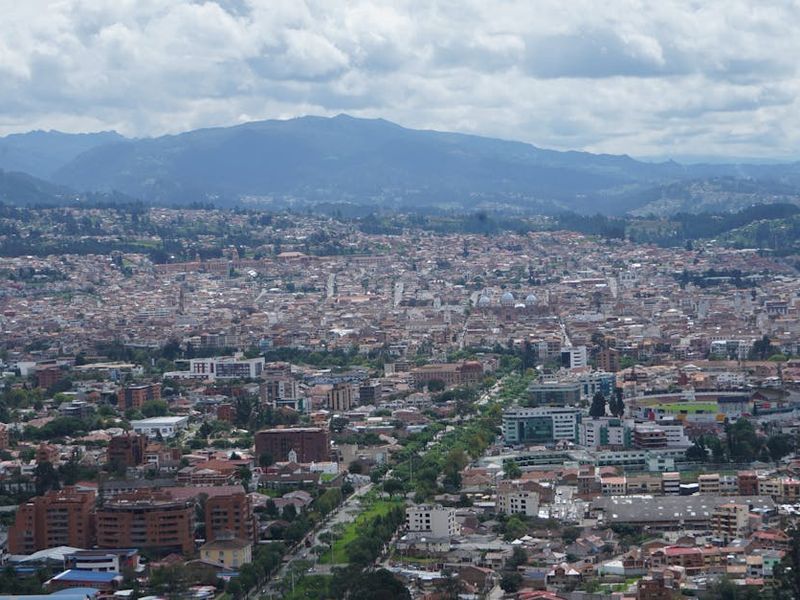
Nestled high in the southern Andes, Cuenca is one of Ecuador’s most charming colonial cities — cobblestone streets, blue-domed cathedrals, and a lively riverfront paired with an easygoing expat community. For first-time visitors, the city offers an ideal mix of cultural attractions, culinary treats, and stunning nearby nature like El Cajas National Park. This guide compiles practical tips and local insights to help your trip go smoothly and let you enjoy Cuenca like a savvy traveler.
Before You Go: Practical Planning
Decide how you will arrive. Cuenca’s Mariscal Lamar Airport (CUE) handles domestic flights from Quito and Guayaquil and occasional international connections. Many travelers fly into Quito or Guayaquil and then take a comfortable intercity bus or a short domestic flight to Cuenca — buses are scenic and well-serviced but can take several hours.
Documents and Currency
Ecuador uses the U.S. dollar, which makes money matters simpler for many visitors. Bring a mix of small bills (for taxis, market purchases) and cards for hotels and larger restaurants. Carry photocopies or digital photos of your passport and important documents; leave originals locked in your hotel safe if possible.
Health and Altitude
Cuenca sits at about 2,500–2,600 meters (roughly 8,200–8,500 feet). If you’re coming from sea level, give yourself a day or two to acclimatize: avoid intense exercise, drink plenty of water, and limit alcohol on your first day. Common-sense precautions (hand sanitizer, insect repellent for rural outings, and routine vaccinations) are all you need for a typical visit.
Where to Stay: Neighborhoods and Tips
Cuenca’s compact historic center invites walking, so many visitors choose accommodations near Parque Calderón and the Río Tomebamba. Staying in or near the old town puts you within easy reach of the main cathedral, cafés, museums, and evening life.
Historic Center
Pros: immediate access to major sights, lively restaurants, and galleries. Cons: cobblestones and some nighttime noise. If you want convenience and a classic Cuenca experience, this is the place to be.
Riverside and Residential Areas
Staying near the Tomebamba River offers beautiful walks and slightly quieter streets while still being close to the center. There are also modern neighborhoods further from the Plaza that offer larger apartments, parks, and supermarkets—good if you plan a longer stay.
Getting Around: Transport Basics
Cuenca is eminently walkable in the core. For longer trips, the local bus network and the modern tram (Tranvía) cover key routes. Many visitors use short taxi rides; agree on a fare before you get in if the driver doesn’t use a meter. Ride-hailing apps sometimes operate in the city but may not be as ubiquitous as in larger capitals.
Taxis and Public Transit
- Taxis are inexpensive; if in doubt, ask your hotel to call a licensed taxi.
- The tram connects central districts and is a quick way to avoid street traffic at peak times.
- Public buses are cheap but can be crowded—keep valuables close.
Money, Costs, and Tipping
Cuenca is often less expensive than Ecuador’s coastal cities and many Western destinations. A simple local meal is very affordable, while international-style restaurants and tourist-oriented spots cost more. Many businesses accept cards, but carry cash for small shops, markets, and taxi fares.
Tipping Etiquette
Tipping is appreciated but not obligatory. A 10% tip in restaurants is common if service is not already included. For taxi drivers and small services, rounding up or leaving spare change is perfectly acceptable.
Safety and Common-Sense Precautions
Cuenca is considered one of Ecuador’s safer cities, but petty theft and opportunistic pickpocketing can occur — especially in crowded markets and on public transit. Keep your passport and extra cash in a secure place, use a daypack with zippers, and avoid displaying expensive jewelry or electronics in busy areas.
Nighttime and Street Smarts
Stick to well-lit, busy streets at night. If you’re out late, prefer a licensed taxi or a hotel-arranged ride. Always note emergency numbers (Ecuador uses 911) and the location of your country’s consulate or embassy in case you need assistance.
Must-See Sights in the City
Cuenca’s compact downtown allows you to tick off major attractions in a couple of days. Don’t rush—take time to sit at a café and watch daily life along the river.
Parque Calderón and the New Cathedral
Start at Parque Calderón, the bustling central plaza surrounded by buildings, shops, and cafés. The New Cathedral (Catedral de la Inmaculada Concepción) with its distinctive blue tiled domes dominates the skyline and is a great photo stop. Climb up nearby miradors for panoramic views of the city and surrounding mountains.
Río Tomebamba and Calle Larga
Walk along the Tomebamba for peaceful riverside paths and restored colonial buildings. Calle Larga is lined with artisan shops, galleries, and restaurants—perfect for window shopping and discovering local crafts.
Pumapungo Museum and Inca Ruins
Pumapungo houses a combination of ethnographic exhibits and archaeological remains right in the city. It’s a compact introduction to the region’s pre-Columbian history and the cultures that shaped today’s Cuenca.
Food, Markets, and Local Eats
Cuenca has a thriving food scene that ranges from traditional Ecuadorian dishes to contemporary bistro fare. Don’t miss local specialties like hornado (slow-roasted pork), llapingachos (potato patties), and fresh Andean produce.
Markets and Artisan Shopping
Venture into a central market for fresh fruit, local cheese, and street snacks. For handcrafted goods, take a short trip to the surrounding towns — many artisans sell textiles, silver filigree jewelry, and other crafts in small markets and storefronts.
Day Trips and Regional Highlights
Cuenca makes an excellent base for exploring southern Ecuador. Several unforgettable day trips are within easy reach and showcase a different side of the country.
El Cajas National Park
About an hour’s drive from Cuenca, El Cajas is a high-mountain park of glacial lakes, moorlands, and hiking trails. Bring warm layers and proper shoes — weather can shift quickly, and temperatures are significantly cooler at higher elevations.
Ingapirca Archaeological Site
Ingapirca, the largest known Inca ruins in Ecuador, is roughly 1.5–2 hours away. It’s an excellent half- or full-day excursion for anyone interested in history and archaeology, offering dramatic stonework and sweeping Andean vistas.
Craft Towns: Chordeleg and Gualaceo
A short drive brings you to Chordeleg, known for silver filigree and jewelry, and Gualaceo, with colorful textile markets and hat-making workshops. These towns are perfect for picking up authentic souvenirs and seeing artisans at work.
Packing Checklist for Cuenca
Layered clothing is essential: days are often mild and sunny while nights can be cool. Bring sturdy walking shoes for cobblestones and trails, a waterproof jacket for sudden showers, sunscreen, and a hat — UV exposure is stronger at altitude.
- Light layers and a warm mid-layer (fleece or sweater)
- Rain jacket or compact umbrella
- Comfortable walking shoes with good traction
- Sunscreen and sunglasses
- Plug adapter if your chargers aren’t compatible with Type A/B plugs and 120V outlets
- Daypack, water bottle, and a money belt or hidden pouch
Connectivity: Phones, Wi‑Fi, and SIM Cards
Wi‑Fi is widely available in hotels, cafés, and many restaurants. If you want a local SIM card, major providers have stores in Cuenca where you can buy prepaid data packages. Renting a pocket Wi‑Fi or relying on local cafés is usually fine for a short trip.
Cultural Tips and Local Etiquette
Cuencanos are generally warm and polite. Common courtesies go a long way: greet shopkeepers and servers with a friendly hello, and use the respectful form of address with older people. In social situations, a single kiss on the right cheek is a common greeting among friends and acquaintances. Dress modestly if you’re visiting churches or religious sites.
Final Tips for a Smooth Visit
Spend your first day exploring on foot to get a feel for the streets and neighborhoods. Ask your hotel staff for trusted taxi numbers and restaurant recommendations — local suggestions often lead to the best meals and experiences. Keep rainy afternoon dips in mind when planning outdoor activities, and reserve a full day for El Cajas or Ingapirca if you want a more immersive experience.
With its relaxed pace, rich cultural scene, and access to some of Ecuador’s most beautiful landscapes, Cuenca rewards travelers who take time to wander, eat well, and enjoy everyday life. Use these practical tips to navigate logistics, maximize your time, and enjoy the unique rhythms of this Andean gem.
Quick Reference
- Currency: U.S. dollar (USD)
- Altitude: ~2,500–2,600 meters (8,200–8,500 ft)
- Emergency: 911
- Must-see: Parque Calderón, New Cathedral, Río Tomebamba, Pumapungo
- Top day trips: El Cajas, Ingapirca, Chordeleg/Gualaceo
Ready to book? Choose a neighborhood near the historic center for your first visit, pack layers and comfy shoes, and be prepared to fall in love with Cuenca’s cobbled streets, friendly cafés, and Andean scenery.