
Table of Contents
Introduction: Why Cuenca’s Slow Pace Is a Feature, Not a Bug
Moving to Cuenca often means trading a high-speed, task-driven lifestyle for a gentler daily tempo. The city’s tree-lined plazas, colonial architecture, and riverfront promenades encourage lingering, and that can be disorienting at first. But if you intentionally adjust, Cuenca’s relaxed rhythm becomes a deep source of well-being. This article gives concrete, practical advice to help you shift your habits, find community, and enjoy life at a different pace without losing productivity or confidence.
First Impressions: What to Expect in the First 30 Days
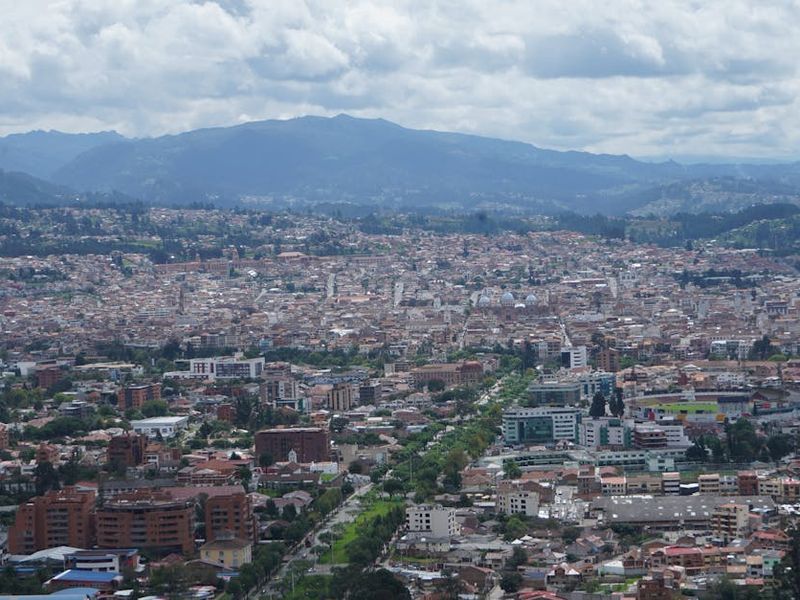
Expect slower service at some businesses, more time spent chatting with shopkeepers, and afternoons when certain small shops close for a long lunch. Streets in the historic center are pedestrian-friendly and invite walking rather than rushing. The climate is mild year-round—Cuenca sits at about 2,560 meters (8,400 feet)—so layering clothing is helpful. Early on, prioritize orientation: learn where the nearest market, clinic, pharmacy, and bank are. That initial map of essentials will reduce anxiety and help you move into the city’s rhythm faster.
Practical Neighborhood Choices for Different Lifestyles
Your neighborhood shapes how quickly you adapt. Here are a few styles to consider:
- Historic Centro — Best if you want walkable cafés, museums, the cathedral, and an active cultural scene right outside your door. Expect cobblestones and a lively tourist presence.
- Riverside Areas — Living near the Tomebamba River offers pleasant walks and bike routes. Great for morning strolls and views of the city’s bridges and gardens.
- Turi and Hillside Zones — Slightly further from the center, these spots offer views and a quieter pace. You’ll get more space for your money and a stronger sense of local life.
- Suburban Neighborhoods — If you prefer modern supermarkets and larger apartments, look to neighborhoods with easy bus or taxi access to the center.
When choosing, visit each area at different times of day to see how it feels. A neighborhood that’s peaceful at noon may be noisy at night—or vice versa.
Adjusting Your Daily Routine: Practical Tips
To thrive in Cuenca’s relaxed tempo, tweak routines rather than trying to maintain the same schedule you had before.
- Slow your morning: Swap a rushed commute for a longer coffee and a walk along the river. You’ll find productivity improves when you start calm.
- Block your afternoons: If businesses are slower after lunch, schedule flexible tasks—emails, reading, language study—during that window.
- Use public spaces: Parks and plazas are natural meeting points. Bring a notebook or laptop to work for a few hours; the change of scene can boost creativity.
- Build micro-pauses: Short, intentional breaks across the day match the local rhythm and prevent frustration with slower service.
Language and Cultural Habits to Embrace
Spanish is the dominant language in Cuenca; a little goes a long way. Basic phrases—greetings, thank-yous, and polite requests—open doors and speed up interactions. Locals appreciate when you say “buenos días,” “por favor,” and “gracias.”
Politeness and warmth are cultural cornerstones. People often use the formal “usted” with elders or in more formal settings. Social interactions tend to be less rushed; expect longer conversations when you buy from a market stall or visit the dentist. Embrace patience and listen. It’s an easy way to show respect and build trust.
Where to Shop for Food and Save Money
Fresh produce is one of Cuenca’s perks. Visit a local mercado for seasonal fruits, vegetables, and regional staples. Compared to supermarkets, mercados often offer better freshness and lower prices. Learn which stalls have the best quality and go regularly; building a rapport can result in better picks and occasional discounts.
For imported items, supermarkets and specialty stores are available but pricier. If you crave certain brands, budget for occasional trips to larger stores. Many expats combine weekly mercado shopping with one supermarket run for staples.
Health Care, Insurance, and Medical Practicalities
Cuenca has good medical infrastructure for routine care—clinics, private practices, and public hospitals including services through the IESS system. If you rely on specialized treatment, research providers ahead of time and consider bringing necessary medical records when you move.
Private healthcare is affordable compared to many Western countries, but quality varies. Ask fellow expats and locals for clinic recommendations. Carry copies of prescriptions and keep a small medical kit at home for minor needs. If you plan to stay long-term, investigate health insurance options that cover private clinics and repatriation if necessary.
Transport: Moving at a Cuenca Pace
Cuenca’s historic center is compact and walkable. For longer trips, buses and taxis are inexpensive. Taxis are an easy option for short trips—confirm fares or insist on the meter. Ride-hailing apps operate intermittently; it’s useful to have local taxi numbers saved.
Many residents bike along dedicated routes near the river. If you enjoy cycling, bring or buy a reliable bike and a good lock. Driving is possible but navigating narrow, cobblestone streets and limited parking can be frustrating. If you want to explore the region, longer bus routes and occasional car rentals are convenient for day trips to neighboring towns and scenic areas.
Finding Community: How to Make Cuenca Feel Like Home
Feeling rooted requires connection. Try these approaches:
- Language exchanges: Join local Spanish exchanges to practice and meet a mix of locals and expats.
- Volunteer: Animal shelters, community gardens, and cultural programs welcome volunteers. Volunteering accelerates cultural integration and builds friendships.
- Take classes: Cooking, dance, or art classes provide social interaction and a fun way to learn local customs.
- Attend public events: Theaters, museums, and plazas host frequent cultural activities—concerts, markets, and religious festivals are excellent ways to feel embedded.
Work and Productivity in a Slower City
If you’re working remotely, Cuenca’s slower pace can be an asset. Design routines that exploit quieter hours for focused work and reserve afternoons for lighter tasks. Co-working spaces and cafés with reliable Wi-Fi are available; test a few to find one with the right atmosphere.
When collaborating with colleagues in faster-paced countries, set expectations about response times and communicate clear windows for meetings. Most people in Cuenca appreciate structure and will respect agreed-upon schedules.
Financial Practicalities: Banking, Bills, and Cost of Living
ATMs from major banks are widely available, and many expats open local bank accounts to pay rent and utilities more easily. Carry small bills for market purchases and tips. Electricity and water are generally affordable, but heating can be a hidden cost if you rely on electric heaters during the cooler months—ask about hot water systems and insulation before signing a lease.
Budget to splurge occasionally: eating out in tourist-heavy areas and imported products cost more. Local restaurants—”comedor” style places—offer filling meals at low prices and are a great way to sample Ecuadorian cuisine.
Dealing with Pace Mismatch: Mental Strategies
Feeling frustrated by slower service or different priorities is normal. Reframing helps: instead of seeing delays as inconveniences, treat them as invitations to practice patience, observe, or connect. Mindfulness techniques—simple breathing exercises, a short walk, or journaling—help you remain calm when plans change.
Keep a short list of activities that ground you: a favorite café, a morning walk, or an evening read. When you feel impatient, switch to one of these rituals. Small habits preserve balance and help you enjoy the local tempo.
Practical Checklist for Your First Three Months
- Locate the nearest mercado, pharmacy, clinic, bank, and bus stop.
- Introduce yourself to neighbors and a few shopkeepers; learn their names.
- Enroll in a basic Spanish course or weekly conversation group.
- Set up a flexible daily schedule: focused work in the morning, errands or social time in the afternoon.
- Open a local bank account if you plan to stay longer than a few months.
- Find a primary care clinic and keep copies of medical records.
- Buy a reliable umbrella and layers for variable weather.
- Join at least one local club, volunteer group, or class.
Embracing the Benefits: What You’ll Gain from Slowing Down
Once you acclimate, the advantages of Cuenca’s relaxed lifestyle become clear. You’ll likely sleep better, notice subtler cultural details, and experience less chronic stress. Walks along the river, casual conversations in plazas, and the steady rhythm of markets replace the continuous rush—opening space for creativity, stronger relationships, and better health.
Final Thoughts: Patience, Curiosity, and Small Experiments
Adapting to Cuenca is less about surrender and more about experimentation. Try small changes—one slow morning per week, a market-only grocery run, or a language exchange—and observe what improves. Stay curious, ask questions, and trade the pressure to keep up for the richer rewards of presence. With intentional habits and a few practical moves, Cuenca’s tranquil pace will become a cherished part of your life.
Ready to begin? Start by taking a 20-minute walk along the river—no phone, just observation. It’s a simple practice, but one of the fastest ways to sync with Cuenca’s cadence.
Adam Elliot Altholtz serves as the Administrator & Patient Coordinator of the “Smilehealth Ecuador Dental Clinic“, along with his fellow Expats’ beloved ‘Dr. No Pain‘, right here in Cuenca, Ecuador, and for purposes of discussing all your Dental needs and questions, is available virtually 24/7 on all 365 days of the year, including holidays. Adam proudly responds to ALL Expat patients from at least 7:00am to 9:00pm Ecuador time, again every single day of the year (and once more even on holidays), when you write to him by email at info@smilehealthecuador.com and also by inquiry submitted on the Dental Clinic’s fully detailed website of www.smilehealthecuador.com for you to visit any time, by day or night. Plus, you can reach Adam directly by WhatsApp at +593 98 392 9606 -or by his US phone number of 1‐(941)‐227‐0114, and the Dental Clinic’s Ecuador phone number for local Expats residing in Cuenca is 07‐410‐8745. ALWAYS, you will receive your full Dental Service in English (NEVER in Spanish), per you as an Expat either living in or desiring to visit Cuenca by your Dental Vacation, plus also to enjoy all of Ecuador’s wonders that are just waiting for you to come arouse and delight your senses.