
Table of Contents
Why Cuenca Is a Magnet for American Expats
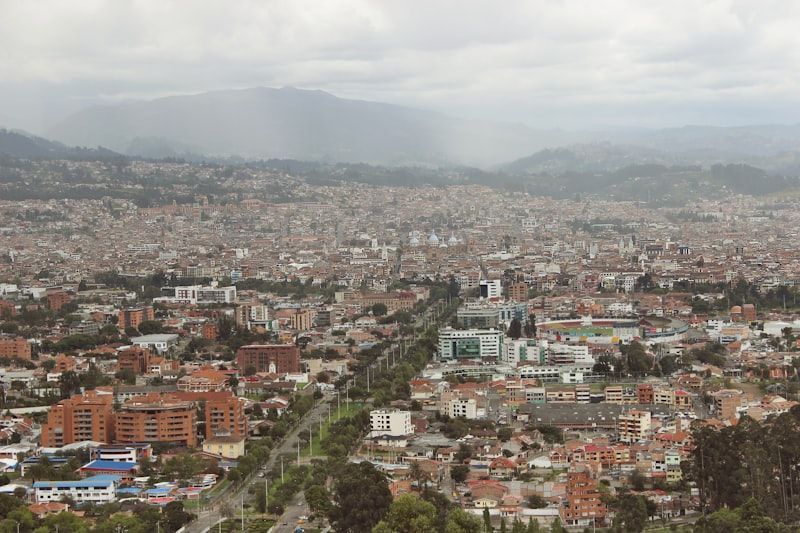
Cuenca’s cobblestone streets, colonial architecture, pleasant year-round climate and affordable cost of living have drawn retirees, remote workers and adventurers from the U.S. for decades. But beyond the scenery and savings, what keeps many Americans here is the strong sense of community. Whether you’re here for a few months, settling in permanently, or scouting the city as a future home, knowing where and how to find support and friendship makes the transition far easier.
Neighborhoods Where Americans Tend to Gather
Americans in Cuenca aren’t clustered in one gated complex; they spread across neighborhoods that suit different lifestyles. A few areas stand out because of their proximity to services, walkability and social opportunities.
Centro Histórico (Old Town)
The historic center around Parque Calderón is a natural meeting place. Many expats live in apartments above shops and restaurants here — it’s lively, walkable and home to language schools, cafés and cultural events. If you want to bump into fellow English speakers, start with art openings, coffee shops near the main square and guided walking tours.
El Vergel, Yanuncay and the East Bank
Neighborhoods along the Tomebamba River and on the east side tend to attract families and those wanting quieter streets with easy access to parks and schools. These areas often feature larger homes and are popular with expats who prefer a more residential feel but still want to be near the city center.
Turi and Bellavista
On the hills above Cuenca, Turi offers scenic views and a slightly more suburban pace. Some retirees choose these areas for the view and sense of space while remaining within a short taxi ride of downtown activities and services.
Online Hubs: Where to Start Before You Arrive
Before you step off the plane, join a few online communities. These groups can answer urgent practical questions (how to open a bank account, find short-term housing, or arrange a SIM card) and help you plan meetups once you land.
- Facebook groups – Look for “Americans in Cuenca,” “Cuenca Expats” or neighborhood-specific groups. These are active forums for buying and selling items, finding housing and arranging meetups.
- Meetup – Search for language exchanges, hiking clubs, photography groups and social outings where Americans often participate.
- InterNations – An international expat network that sometimes hosts social events and professional networking nights in Cuenca.
- Local expat forums – Sites such as CuencaExpats.com (and similar community forums) provide classifieds, event calendars and long-form advice from seasoned residents.
Social Clubs and Regular Meetups
Once you arrive, you’ll find recurring social anchors that make meeting people simple. Many of these groups are friendly to newcomers and organize low-pressure events.
Language Exchanges (Intercambios)
Intercambios are the single best way to meet bilingual locals and expats mixed together. They typically happen weekly in cafés or parks. Bring a friendly attitude and a few conversation starters in Spanish and English — you’ll learn and make friends at the same time.
Walking, Hiking and Outdoor Groups
Cuenca’s mild climate and accessible countryside make it perfect for outdoor clubs. Look for walking groups that meet along the Tomebamba River or hiking clubs that organize weekend trips to nearby parks and rivers. These activities attract both active retirees and younger expats, offering a natural way to bond.
Cultural and Hobby Clubs
There are English-language book clubs, photography groups, cooking classes and art workshops that meet regularly. Local cultural centers and community colleges often host classes taught in English or by bilingual instructors — check event boards and Facebook for schedules.
Places to Meet Other Americans in Person
There are everyday spaces that tend to draw more Americans simply because they offer familiar comforts and host regular social events.
- Cafés and coffee shops – Cafés near the Parque Calderón and along Avenida de las Americas are popular with digital nomads and expats working remotely.
- English-language churches – Many expats find friendship and volunteer opportunities through English services and church socials.
- Farmer’s markets and craft fairs – Markets are excellent places to meet local producers and expats shopping for familiar foods or artisan goods.
- Gyms and yoga studios – Fitness classes and studios often double as social hubs; block-level gyms usually have a mix of locals and foreigners.
Practical Support: Medical, Legal and Administrative Resources
Having local professionals you trust is essential. Most Americans in Cuenca rely on a mix of private clinics and bilingual service providers.
Healthcare and English-Speaking Doctors
Cuenca has well-regarded private clinics and hospitals with doctors who speak English — you’ll find specialists in cardiology, dentistry and orthopedics conveniently located near the city center. When you first arrive, ask expat groups for recommendations and check recent reviews for the most current referrals. Consider registering with a primary care clinic to simplify care and avoid emergency room visits for routine issues.
Legal and Financial Advice
Whether you’re dealing with visa renewal, property purchase, or tax filings, look for bilingual attorneys and accountants who have experience with expat clients. Many professionals advertise in expat forums; a personal recommendation from another American is often the best way to find reliable help.
U.S. Consular Services
For passport renewals, notarial services or emergency assistance, Americans typically work through the U.S. Embassy in Quito or the U.S. Consulate in Guayaquil, which both serve residents of Cuenca. Check their official websites for outreach schedules, appointments and requirements.
Volunteer Work and Giving Back
Volunteering is a win-win: it builds friendships and deepens your connection to the city. Cuenca has numerous NGOs, schools and community programs that welcome English speakers.
- Teach conversational English at a local school or community center.
- Volunteer with animal shelters, which often need help with adoption events and socialization of animals.
- Join environmental groups for river cleanups or reforestation projects in the surrounding highlands.
Start by asking in local Facebook groups or the volunteer office at city cultural centers. Volunteering often introduces you to like-minded locals and long-term expats who share your interests.
Tips for Making American and Local Friends Faster
Meeting people is one thing; turning acquaintances into friends takes curiosity, consistency and a few strategic habits.
Learn Spanish — even a little goes a long way
Americans who invest time in Spanish demonstrate respect and open doors to deeper relationships with Ecuadorians. Language classes also offer a steady social circle and a natural place to practice together.
Be the planner
If regular meetups don’t exist for your interest, create one. Host a language exchange, a potluck, a hike or a movie night. Many expat groups welcome new events, and being the organizer rapidly increases your social network.
Mix local and expat activities
Strike a balance between spending time in American-focused spaces and participating in local festivals, markets and neighborhood meetings. Mixing these experiences helps you build a diverse and resilient social life.
Addressing Common Concerns: Safety, Loneliness and Healthcare
Safety in Cuenca is generally better than in larger Ecuadorian cities, but like any place, it pays to be mindful. Stick to well-lit streets at night, use reputable taxi apps, and secure your home with common-sense measures. For loneliness, make a short-term plan: commit to three regular activities a week (language class, volunteer shift, walking group) to increase social contact until bonds form naturally.
Regarding healthcare, most expats opt for private medical insurance that works in Ecuador or international plans that include medical evacuation if desired. Read policy details closely and ask other expats which providers worked for them.
How to Keep Your American Identity Without Isolating
Maintaining cultural ties is important, but balance is key. Many Americans enjoy celebrating U.S. holidays like Fourth of July or Thanksgiving with an expat potluck while also participating in local religious and civic events. Consider starting or joining an annual Thanksgiving or Fourth of July gathering — these are common and provide emotional support during the first years abroad.
Starting From Scratch: A 30-Day Action Plan
If you’re newly arrived, here’s a short roadmap to meet people quickly:
- Days 1–3: Join two active Facebook groups and introduce yourself.
- Days 4–10: Attend at least two intercambios or language classes.
- Days 11–20: Try a volunteer opportunity and a local fitness class.
- Days 21–30: Host or co-host a small gathering (walk, coffee, potluck) and schedule a meet-and-greet with professionals you may need (doctor, attorney).
By the end of the first month you’ll have met multiple people, discovered recurring events, and begun to feel rooted.
Final Thoughts: Patience and Curiosity Are Your Best Tools
Moving to Cuenca is a life-change filled with small discoveries. The city rewards curiosity — show up, ask questions, and try the local rhythm. American expat communities in Cuenca are welcoming and varied: you’ll find retirees who enjoy relaxed afternoons, young professionals working remotely, bilingual families, and long-term expats who turn newcomers into neighbors. Use the wealth of online resources, local clubs, and volunteer opportunities to create a social life that suits your pace and passions. With patience and initiative, Cuenca can become not just a place you live, but a place where you belong.
Ready to take the next step? Start by joining a local Facebook group, planning one intercambios, and walking the Tomebamba River — real friendships often start with a simple hello.