
Table of Contents
Why Community Matters When You Move to Cuenca
Relocating to Cuenca, Ecuador is an exciting leap — cobblestone streets, a mild mountain climate, and a rich cultural rhythm. But excitement and charm don’t replace the need for connection. For American expats, finding a circle of friends and dependable support is crucial for everything from navigating healthcare to celebrating holidays far from home. This guide lays out practical places, groups, and strategies to build a strong social and support network in Cuenca.
Start Online: Where Virtual Groups Lead to Real Friendships
The easiest way to meet people before you arrive — or on your first few days — is online. Cuenca has multiple active Facebook groups and forums where expats ask questions, arrange meetups, and share local news. Search groups with names like “Cuenca Expats” or “Americans in Cuenca” to find daily posts about rentals, doctors, and social events. Meetup.com also hosts interest-based gatherings: language exchanges, hiking groups, photography walks, and coffee mornings.
Practical tip: introduce yourself in a few groups with a short post — your background, when you arrived or will arrive, and a question or two. People in these groups are often eager to welcome newcomers and offer invitations to informal meetups.
Neighborhoods Where Expats Tend to Cluster
Knowing where other expats live can help you find community-forming hotspots. While Cuenca’s expat population is spread out, some neighborhoods are especially popular.
- El Centro / Historic Center: Walkable streets, markets, cafes, and easy access to museums and the Parque Calderón. Great for those who want to be at the heart of city life and cross paths with other internationals frequently.
- Near the Tomebamba River: Streets along the river are picturesque and convenient, with plenty of cafés and pedestrian paths that attract both locals and expats.
- Yanuncay and Totoracocha Valleys: These areas offer more modern apartment complexes and family-friendly housing, often favored by expats who want quiet but easy city access.
- Residential enclaves (El Vergel, Bellavista): Green spaces and single-family homes make these neighborhoods appealing for people seeking a suburban feel with community gardens or plazas where neighbors meet.
When choosing a neighborhood, consider walkability, proximity to healthcare, and public transport access — these factors influence how easily you will form spontaneous connections.
English-Language Churches and Spiritual Communities
For many expats, churches and faith-based groups are the quickest way to meet people. Cuenca has several congregations and services that include English-language programs or are welcoming to international attendees. These communities often host potlucks, volunteer drives, and small groups that create strong bonds.
Practical tip: attend a Sunday service or a midweek Bible study and follow up by signing up for volunteered events. Churches are organized and frequently have newcomer liaisons who can introduce you to others.
Language Exchanges: Learn Spanish and Make Friends
Improving your Spanish is one of the most effective ways to expand your social circle beyond other Americans. Language exchanges and conversational meetups pair native Spanish speakers with English learners. These meetups are low-pressure, usually held in cafés or community centers, and attract a mix of locals, students, and internationals.
How to get started: check community boards at language schools and cafes, search for “intercambio” events on Facebook, or post a request in expat groups looking for a language buddy. Offer to help with English in exchange — most locals are thrilled to practice with native speakers.
Clubs, Hobbies, and Interest Groups
If you’re into hiking, knitting, photography, golf, or salsa dancing, Cuenca has a group for that. Joining a hobby-based group is one of the most natural ways to find friends with shared interests.
- Outdoor and hiking groups: The surrounding Andean hills are a magnet for outdoor people. Weekend hikes and day trips are common and are great for meeting active expats.
- Sports clubs: Tennis, cycling, and yoga classes often have mixed expat and local attendance. Fitness centers and boutique studios post group activities on community bulletin boards.
- Arts and cultural groups: Cuenca’s arts scene includes gallery openings, music nights, and workshops where internationals gather with Ecuadorian artists.
Practical tip: look for community boards in cafés and bookstores, or ask at art centers and cultural houses for monthly schedules.
Volunteer Opportunities: Support and Belonging
Volunteering is a dual-purpose strategy: you give back to the local community and meet people who care about similar causes. NGOs, school programs, animal shelters, and cultural preservation projects often welcome English-speaking volunteers.
Where to start: reach out to local NGOs, ask in expat forums for organizations that welcome foreigners, or inquire at community centers. Volunteering tends to foster deeper friendships because it involves regular commitment and shared purpose.
Healthcare and Practical Support Networks
When you need day-to-day support for health, legal matters, or administrative help, established expat networks can be invaluable. Many long-term expats compile lists of recommended doctors, dentists, and hospitals in Cuenca. These curated lists save time and reduce stress.
Practical tip: store an expat-recommended list of English-speaking medical professionals and diagnostic centers on your phone. Also, find out where the nearest major hospital is from your home and join local expat groups that track healthcare options and insurance providers.
Social Hubs: Cafés, Bookstores, and Markets
Cuenca’s cafés, bookstores, and weekly markets are organic meeting points for both locals and internationals. Regularly visiting a café or a bookshop helps you become a familiar face, which opens the door to casual conversations and invitations.
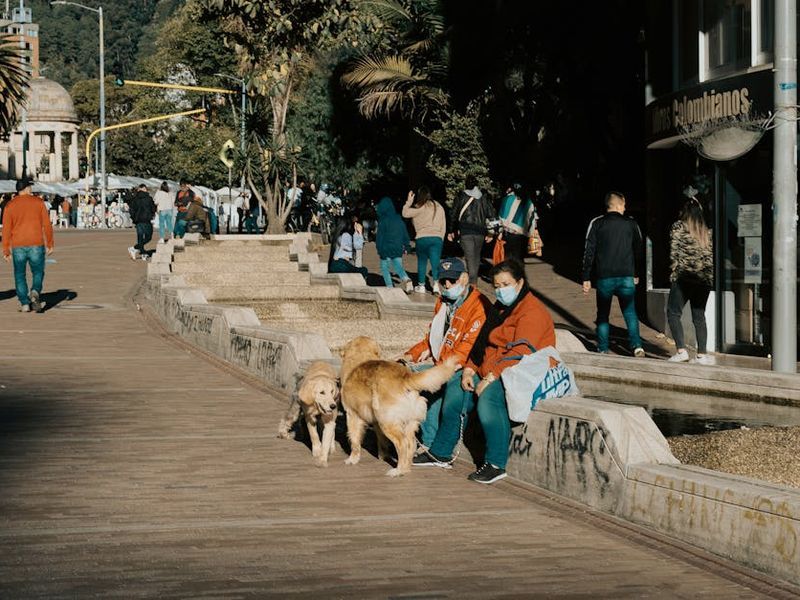
Practical tip: pick a favorite café or bench in a park and visit weekly. Bring a book, learn the barista’s name, and start saying “hola” — small rituals lead to big social connections.
How to Make Deep Connections: Strategies That Work
Making friends intentionally in a new city takes a mix of patience, openness, and consistency. Here are practical strategies to speed the process:
- Be a regular: Frequent the same café, market stall, or class. People notice consistency.
- Host small gatherings: A coffee, potluck, or game night invites new and established friends to mingle in a relaxed setting.
- Reciprocity: Offer small favors — help with a translation, bring baked goods, or share a ride. Acts of goodwill strengthen bonds.
- Commit to learning Spanish: Even a little effort earns respect and opens doors to local friendships.
- Follow up: If someone gives you their number or invites you to an event, follow up within a few days. Prompt communication builds momentum.
Practical Considerations: Safety, Costs, and Etiquette
Understanding local norms and logistical details will help your relationships thrive. Cuencanos value politeness, punctuality, and face-to-face interaction. Social gatherings often include food and conversation; arriving with a small gift — a dessert or flowers — is appreciated for invited events.
Cost considerations: many social activities in Cuenca are affordable. Cafés and casual restaurants make it easy to socialize on a budget. If you’re exploring paid clubs (fitness, golf, private classes), ask about trial sessions to see if the group fits your personality before committing financially.
Families and Children: Schools and Playgroups
If you’re moving with children, finding a support network often starts at schools and playgrounds. International schools, bilingual programs, and community playgroups can connect you with other expat parents. Many parents organize carpools, playdates, and informal gatherings that turn into lasting friendships.
Practical tip: attend school-sponsored family events and parent meetings — these are built-in networking opportunities and provide insight into the family-focused side of the expat community.
Celebrating Holidays and Traditions Away From Home
Missing American holidays is common, but fairly easy to manage in Cuenca. Expats often organize Fourth of July barbecues, Thanksgiving potlucks, and holiday markets. These gatherings attract people who want to celebrate familiar traditions and are an excellent way to expand your circle.
Practical tip: if you want to host a holiday event, create a shared potluck sign-up in a local Facebook group — many people will bring dishes or decorations, and you’ll meet others who appreciate the holiday spirit.
When You Need Official Help: Consular and Legal Resources
For official matters such as passports, emergency travel, or notarial needs, American citizens in Cuenca turn to the U.S. consulate located in Guayaquil. It’s wise to register with the Smart Traveler Enrollment Program (STEP) before or after your move so the consulate can contact you in emergencies. Many expat communities also maintain lists of reliable attorneys who specialize in residency, property, and business matters.
Practical tip: keep a digital folder with scanned copies of important documents (passport, visa, insurance) and store emergency contacts locally and with family back home.
Keeping Your Community Alive: Tips for Long-Term Connection
Community building is ongoing. As you settle, think about ways to contribute and deepen ties so your network doesn’t feel transient:
- Lead an interest group or language exchange.
- Organize a monthly cultural night where expats and locals share food and customs.
- Volunteer consistently with a local nonprofit so relationships grow over time.
- Mentor newcomers by offering a welcome checklist or a short orientation walk.
These activities not only broaden your social life but also anchor you in the city’s civic fabric.
Final Thoughts: Building a Home in Cuenca
Making friends and finding support in Cuenca is less about discovering a single central hub and more about weaving together multiple threads: online groups, neighborhood hangouts, volunteer projects, and hobby circles. Be proactive, patient, and open to new cultural rhythms. With a little effort and the tips above, you’ll find that Cuenca’s welcoming spirit extends well beyond the architecture — it lives in the people who make this city a second home for so many Americans.
Ready to get started? Join a local Facebook group, pick a café to call your own, and say yes to the next invitation. Community awaits, and in Cuenca it often starts with a simple “hola.”
Adam Elliot Altholtz serves as the Administrator & Patient Coordinator of the “Smilehealth Ecuador Dental Clinic“, along with his fellow Expats’ beloved ‘Dr. No Pain‘, right here in Cuenca, Ecuador, and for purposes of discussing all your Dental needs and questions, is available virtually 24/7 on all 365 days of the year, including holidays. Adam proudly responds to ALL Expat patients from at least 7:00am to 9:00pm Ecuador time, again every single day of the year (and once more even on holidays), when you write to him by email at info@smilehealthecuador.com and also by inquiry submitted on the Dental Clinic’s fully detailed website of www.smilehealthecuador.com for you to visit any time, by day or night. Plus, you can reach Adam directly by WhatsApp at +593 98 392 9606 -or by his US phone number of 1‐(941)‐227‐0114, and the Dental Clinic’s Ecuador phone number for local Expats residing in Cuenca is 07‐410‐8745. ALWAYS, you will receive your full Dental Service in English (NEVER in Spanish), per you as an Expat either living in or desiring to visit Cuenca by your Dental Vacation, plus also to enjoy all of Ecuador’s wonders that are just waiting for you to come arouse and delight your senses.