
Table of Contents
Why Cuenca Feels So Effortlessly Calm
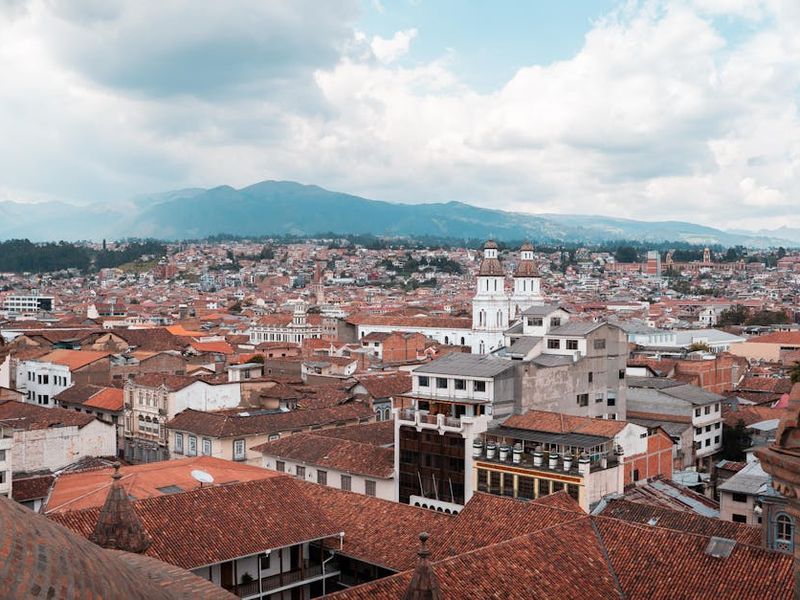
Nestled in Ecuador’s southern highlands at roughly 2,560 meters (about 8,400 feet), Cuenca has a steady, spring-like climate and a centuries-old colonial heart that seems designed for strolling, lingering and conversation. The city’s UNESCO-listed historic center, the gentle flow of the Río Tomebamba, tree-lined plazas like Parque Calderón and the iconic blue-domed cathedral set a deliberate, unhurried tone.
Living here means adjusting to a cultural tempo that values time for family, slow meals and community gatherings. For many newcomers, that relaxed vibe is refreshing — but it can also feel disorienting at first. This article gives hands-on strategies to help you acclimatize: practical steps for your first weeks, routines that will anchor your days, and mindset shifts that turn the “slow” into a welcome feature of life in Cuenca.
First 30 Days: Practical Steps to Get Grounded
Start with a few concrete tasks in your first month to smooth the transition and reduce culture shock. These are practical and easy to check off:
- Secure temporary accommodation in or near the historic center (el centro) so everyday errands are walkable—this makes errands less stressful while you learn the city.
- Learn basic Spanish phrases for greetings, shopping and directions; a few phrases go a long way to opening doors and signaling respect for local rhythm.
- Register with your embassy and get a local SIM card for reliable data; most carriers have good coverage in the city center and neighborhoods.
- Explore essential services: find a grocery market (Mercado 10 de Agosto is a great place to start), a bank branch, and a nearby pharmacy.
- Book a health check or at least identify medical facilities—Cuenca has reputable public and private hospitals like Vicente Corral Moscoso for more urgent needs.
Crafting a Daily Routine That Matches Cuenca’s Tempo
One of the easiest ways to feel at home is to build a daily rhythm that respects Cuenca’s pace while keeping you productive and connected. Consider these simple routines:
- Morning walk along the Río Tomebamba or through Parque Calderón—many locals start the day slowly with exercise or café time.
- Mid-morning errands: shop at markets early when produce is fresh and the vendors are lively.
- Long lunch (sobremesa): embrace the local tradition of lingering after a meal—this is social time, not a productivity gap.
- Afternoon quiet: use the slower afternoon for reading, museum visits (Pumapungo is worth a visit) or language classes.
- Evening paseo: stroll through the historic center after dinner to enjoy the light on the cathedral and the street musicians.
How to Navigate Transportation and the City Layout
Cuenca’s compact centro makes walking the most pleasant way to get a feel for the city. For longer trips, understand a few local transportation facts:
- Buses are inexpensive and cover most neighborhoods; routes have numbers and route maps at main stops, though they can feel informal at first.
- Taxis are plentiful and cheap compared with North American standards. Ride-hailing apps operate here, but local taxis remain a convenient option.
- If you plan to drive, remember narrow cobblestone streets and steep hills in some barrios; parking near the centro can be limited.
- For weekend escapes, Cajas National Park is about 30–40 minutes away and offers highland lakes and hiking—perfect for recharging.
- Mariscal Lamar International Airport (CUE) connects Cuenca with national flights—handy for quick trips to Quito or the coast.
Eating Like a Local: Slow Food, Fresh Markets and Comfort Dishes
Food is one of the gentlest cultural cues to slow down. Cuenca’s culinary rhythm centers on markets, family-owned fondas and traditional dishes meant to be savored. Try these local flavors and tips:
- Start with locro de papa (a creamy potato and cheese soup) and hornado (slow-roasted pork) at a beloved mercado stall.
- Visit Mercado 10 de Agosto for fruit, vegetables and prepared foods—bargain with smiles and buy what’s in season.
- Sample helados de paila (hand-churned ice cream) near the Parque Calderón; it’s perfect for an afternoon treat.
- Try the local specialty cuy (guinea pig) once if you’re adventurous; it’s a traditional dish often served in festive contexts.
- Enjoy coffee culture: many cafés offer excellent local beans and are ideal places for relaxed work sessions or language exchanges.
Making Friends and Building a Social Life
Cuenca rewards curiosity. Local friendships make the relaxed pace feel warm rather than aimless. Ways to connect:
- Join a Spanish class—language schools host conversation groups and outings that quickly expand your circle.
- Volunteer with local organizations; community work is respected and opens doors to deeper relationships.
- Frequent neighborhood cafés, mercados and parks—regular presence builds familiarity and friendly exchanges.
- Connect with expat groups online for practical tips and social meetups, but balance this with local friendships to fully absorb the culture.
Navigating Administrative Tasks Without Losing Your Calm
Bureaucracy in Ecuador can be slower and more personal than you may be used to. Patience and preparation are your best tools:
- Documents: always bring originals and copies; IDs, proof of address and a few passport photos are commonly requested.
- Visas: Ecuador offers several residency routes—pensioner, investor, and professional visas among them. Consult an immigration specialist for up-to-date guidance.
- Appointments: make them when possible and allow buffer time—things take longer here, but people are generally courteous and helpful.
- Payments: carry some cash for small businesses; many market vendors and small cafés prefer cash over cards.
Health, Safety and Practical Money Matters
Cuenca is considered safer and more affordable than many cities, but sensible precautions keep life smooth:
- Healthcare: quality private clinics are affordable compared to North America. Identify a nearby clinic and a trusted family doctor early.
- Safety: petty theft can happen—use a money belt in crowded markets, lock doors at night, and avoid flashing valuables.
- Budgeting: rent for a central one-bedroom apartment varies widely; living costs are lower than in large North American cities, but imported goods and international schools can be pricey.
- Insurance: consider international or local health insurance that covers private care and repatriation if needed.
Mindset Shifts to Thrive in a Slower Culture
The most important adaptation is psychological. Here are daily practices to help you internalize the slower tempo:
- Practice patience: treat delays as cultural texture, not personal slights. Slow service offers time to notice details and people.
- Reduce urgency: limit the number of “must-do” items each day and replace them with meaningful experiences—visiting a plaza, chatting with a shopkeeper, or exploring a museum.
- Be curious about time: ask locals how they structure their week and learn from their ways of balancing work and family life.
- Create rituals: morning cafecito, weekly market shopping, or a Sunday hike help anchor your time in a way that celebrates Cuenca’s pace.
Activities That Help You Slow Down and Connect
Engaging activities that match the city’s rhythm will help you feel like you belong:
- Walk the riverbanks of the Tomebamba—frequent these paths and you’ll recognize faces and form routines.
- Weekend markets and artisan towns: take day trips to see Chordeleg for jewelry or Gualaceo for textiles, where artisanal life is deliberately unhurried.
- Hiking in Cajas National Park: the highland landscape invites contemplation and resets your internal clock.
- Attend local fiestas and religious processions—observing these communal rituals helps you understand local priorities and rhythms.
Common Adjustment Challenges and How to Overcome Them
Even if you love the idea of a slower life, you might encounter friction. Here are common challenges and practical fixes:
- Loneliness: schedule regular social activities—language exchanges, cooking classes, volunteer shifts—so you have predictable social contact.
- Frustration with services: when something takes longer than expected, ask questions calmly and bring someone bilingual to meetings if helpful.
- Cultural misunderstandings: watch, listen and ask; locals appreciate polite curiosity more than assertive correction.
- Missing fast-paced comforts: plan small trips to Quito or the coast for a change of pace, or find fellow expats who enjoy occasional speed and structure.
Final Checklist: One-Month and Three-Month Goals
Use this checklist to keep your adjustment on track:
- One-month goals: secure housing, register with your embassy, identify a local doctor, and join one language or social group.
- Three-month goals: establish a weekly routine, build 3–5 local friendships, and complete any immigration paperwork needed for your stay.
- Six-month outlook: find meaningful volunteer work or a local hobby, and incorporate annual travel to nearby towns and national parks into your lifestyle.
Closing Thoughts: Make the Slow Your Ally
Adjusting to Cuenca’s relaxed lifestyle is less about surrendering productivity and more about rediscovering how to live intentionally. The city’s cobblestone streets, market aromas and neighborly plazas invite you to slow down and notice details you might have missed in a faster life. With a handful of practical routines, a bit of patience and openness to local customs, you’ll find that tranquility in Cuenca doesn’t limit you—it enriches how you spend your time.
Start small, be curious, and let the city’s rhythm teach you a kinder, more sustainable approach to daily life. Within weeks many newcomers report sleeping better, worrying less and feeling more connected to place and people—proof that slowing down can be profoundly life-enhancing.
Buen viaje—may your transition be gentle, and may Cuenca’s quiet energy help you build a life you love.