
Table of Contents
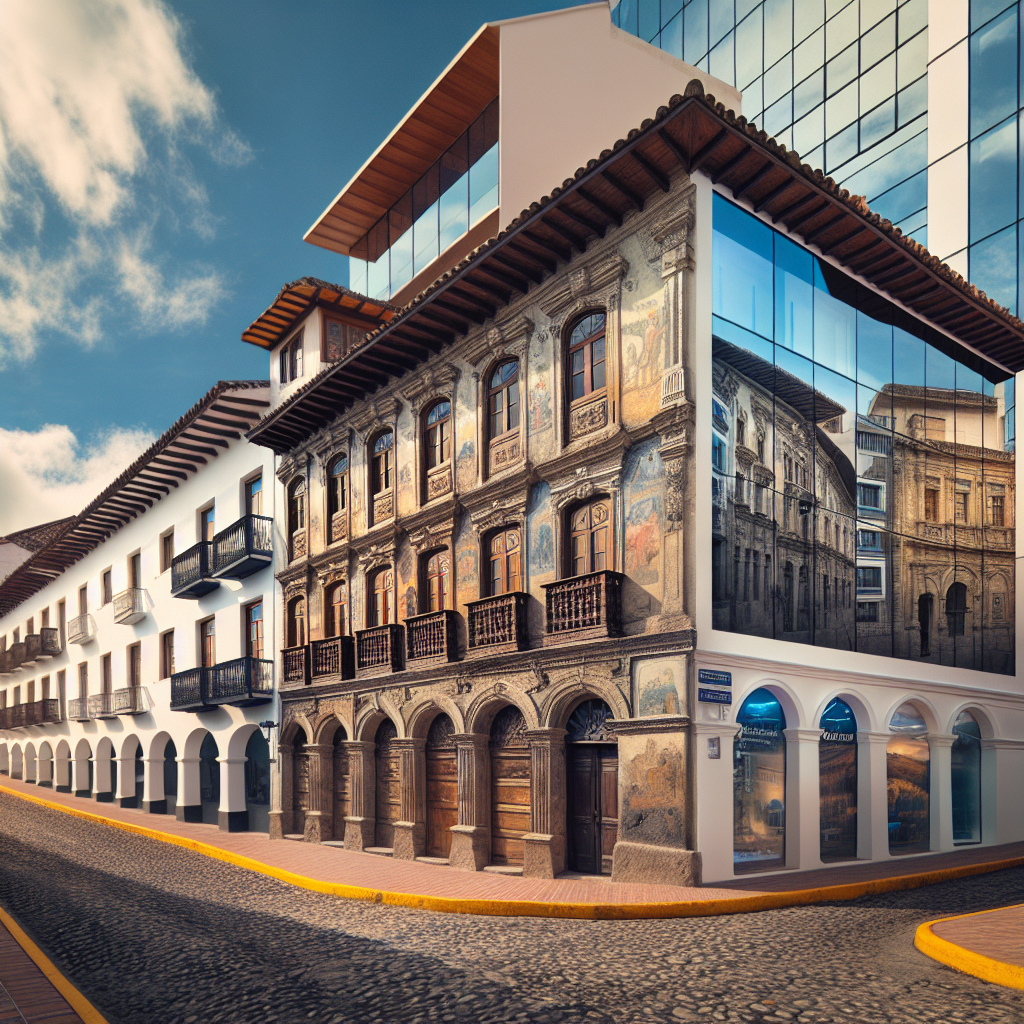
Cuenca, a city in Ecuador, is known for its rich history and stunning architecture. The city’s architecture is a fusion of past and present, blending colonial influences with modern design elements. From its cobblestone streets to its colorful buildings, Cuenca’s architecture is a sight to behold.
The Colonial Legacy
Cuenca was founded in 1557 by the Spanish conquistadors, and much of the city’s architecture reflects its colonial past. The historic center of Cuenca is a UNESCO World Heritage Site, with well-preserved colonial buildings dating back to the 16th century. These buildings feature intricate stonework, wrought iron balconies, and red-tiled roofs, giving the city a timeless charm.
One of the most iconic colonial buildings in Cuenca is the Cathedral of the Immaculate Conception, a stunning example of Spanish Baroque architecture. The cathedral’s ornate facade and towering bell towers are a testament to the city’s rich religious history.
Modern Influences
While Cuenca is steeped in history, the city also boasts modern architectural marvels that complement its colonial heritage. The city’s skyline is dotted with sleek high-rise buildings, contemporary art galleries, and avant-garde museums that showcase the city’s cultural diversity.
One of the most striking modern buildings in Cuenca is the Pumapungo Museum and Cultural Center, designed by renowned Ecuadorian architect Juan Heredia. The museum’s bold geometric shapes and use of glass and steel create a striking contrast against the city’s historic backdrop.
Exploring Cuenca’s Architectural Gems
Exploring Cuenca’s architecture is a feast for the senses, with each corner revealing a new architectural gem. The city’s historic center is a labyrinth of narrow streets lined with colorful buildings, charming cafes, and quaint shops selling handmade crafts.
Visitors can take a leisurely stroll along the Tomebamba River, where they can admire the city’s picturesque bridges and colonial mansions. The city’s many plazas, such as Parque Calderon and Plaza San Sebastian, are perfect for people-watching and soaking in the city’s vibrant atmosphere.
Preserving Cuenca’s Architectural Heritage
Cuenca takes great pride in its architectural heritage and has made efforts to preserve its historic buildings for future generations. The city’s strict preservation laws ensure that new construction projects adhere to traditional architectural styles, maintaining the city’s unique character.
Several organizations, such as the Cuenca Institute of Cultural Heritage, work tirelessly to protect and promote the city’s architectural treasures. Through guided tours, workshops, and educational programs, these organizations aim to raise awareness about the importance of preserving Cuenca’s architectural heritage.
Experience the Magic of Cuenca’s Architecture
Visiting Cuenca is like stepping back in time, where every corner reveals a piece of the city’s storied past. Whether you’re exploring the historic center or admiring the city’s modern marvels, Cuenca’s architecture is sure to leave you in awe.
So why wait? Plan your trip to Cuenca today and experience the magic of this charming city’s architecture for yourself.
FAQs
Q: What is the best way to explore Cuenca’s architecture?
A: The best way to explore Cuenca’s architecture is on foot. Wander through the city’s historic center and take in the sights at your own pace.
Q: Are there guided tours available for exploring Cuenca’s architecture?
A: Yes, there are guided tours available that focus on Cuenca’s architecture. These tours provide valuable insights into the city’s history and architectural heritage.
Q: Can I take photographs of Cuenca’s architecture?
A: Yes, photography is allowed in most public spaces in Cuenca. However, some private properties may have restrictions on photography, so it’s best to ask permission before taking photos.
Exploring Cuenca’s architecture is a truly unforgettable experience that showcases the city’s unique blend of past and present. From its colonial buildings to its modern masterpieces, Cuenca’s architecture is a testament to the city’s rich cultural heritage.