
Table of Contents
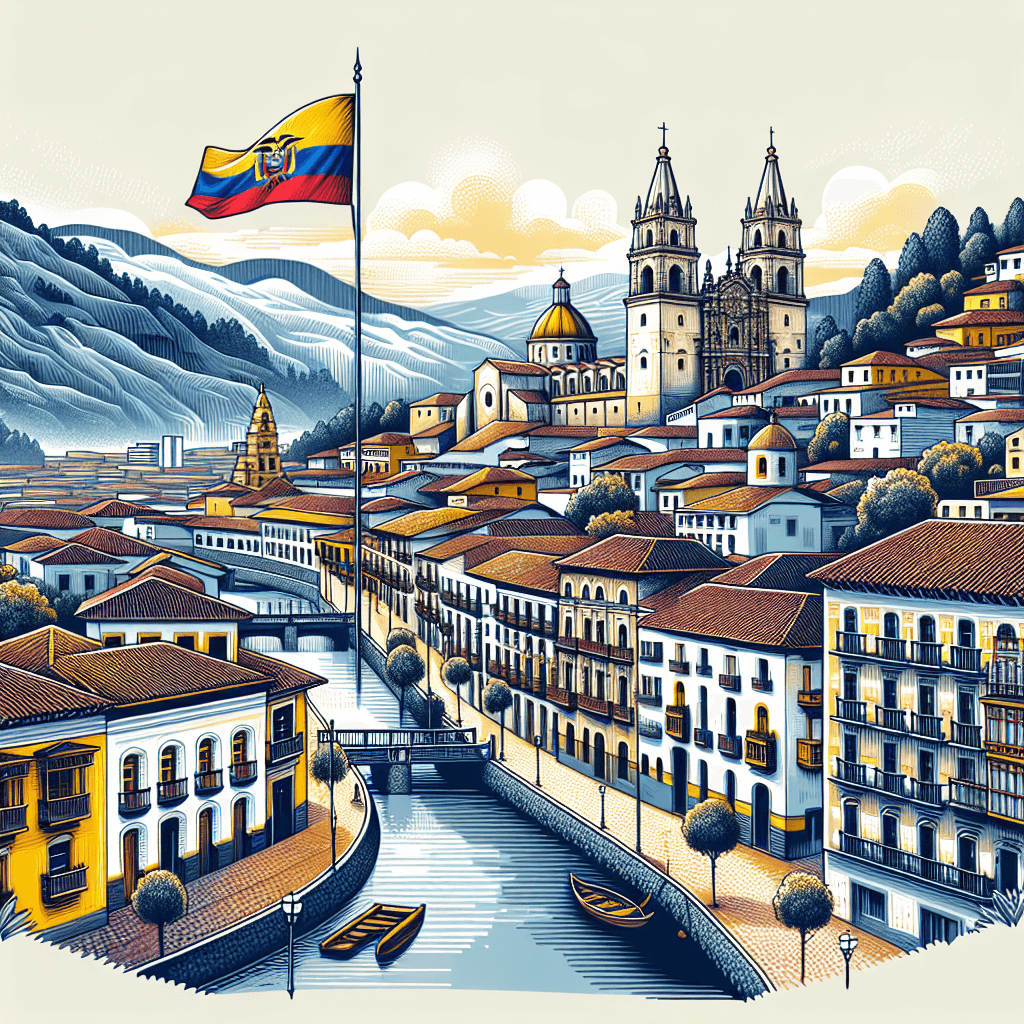
Cuenca, a picturesque city nestled in the Andean mountains of Ecuador, is known for its stunning colonial architecture, cobblestone streets, and vibrant culture. But beyond its modern charm, Cuenca has a rich history that dates back thousands of years. From its indigenous roots to its Spanish colonial past, the city is a treasure trove of ancient origins waiting to be explored.
The Indigenous Roots of Cuenca
Long before the arrival of the Spanish conquistadors in the 16th century, the land that would become Cuenca was inhabited by various indigenous groups, including the Canari and the Cañari. These ancient peoples left behind a legacy of impressive stone structures, intricate pottery, and elaborate textiles that can still be seen in museums and archaeological sites throughout the region.
One of the most famous archaeological sites in Cuenca is Ingapirca, a well-preserved Inca ruin located just outside the city. Built in the 15th century, Ingapirca served as a religious and administrative center for the Inca Empire and is a testament to the advanced engineering and architectural skills of the ancient Andean civilizations.
The Spanish Colonial Era
In 1557, the Spanish conquistadors founded the city of Cuenca, naming it after the Spanish city of Cuenca. Over the centuries, the city grew into a thriving colonial outpost, with grand cathedrals, convents, and mansions lining its streets. Today, many of these historic buildings have been beautifully preserved and are a UNESCO World Heritage Site.
One of the most iconic landmarks in Cuenca is the Cathedral of the Immaculate Conception, a stunning example of Spanish colonial architecture that dominates the city’s skyline. Built over a period of nearly a century, the cathedral is adorned with intricate carvings, colorful frescoes, and a majestic dome that offers panoramic views of the city.
Exploring Cuenca Today
Today, Cuenca is a vibrant cultural hub with a thriving arts scene, lively markets, and a bustling culinary scene. Visitors can explore the city’s many museums, galleries, and theaters, or simply wander the cobblestone streets and soak in the atmosphere of this charming colonial gem.
For those interested in delving deeper into Cuenca’s ancient origins, there are plenty of opportunities to explore the city’s archaeological sites and learn about its indigenous past. Guided tours of Ingapirca and other nearby ruins are available, as well as visits to local museums and cultural centers that showcase the history and heritage of the region.
Conclusion
From its indigenous roots to its Spanish colonial past, Cuenca is a city with a rich history that spans thousands of years. By exploring its ancient origins, visitors can gain a deeper appreciation for the cultural heritage of this fascinating Andean city and discover the stories of the people who have called it home throughout the centuries.
FAQs
Q: What are some must-see attractions in Cuenca?
A: Some must-see attractions in Cuenca include the Cathedral of the Immaculate Conception, the Museo Pumapungo, and the Turi viewpoint.
Q: How can I learn more about Cuenca’s indigenous roots?
A: To learn more about Cuenca’s indigenous roots, consider visiting the Museo de las Culturas Aborígenes or taking a guided tour of Ingapirca.
Q: What is the best time of year to visit Cuenca?
A: The best time to visit Cuenca is during the dry season, which runs from June to September. This is when the weather is mild and there are plenty of cultural events and festivals happening in the city.
By exploring the ancient origins of Cuenca, visitors can gain a deeper understanding of this fascinating city and its rich history. Whether you’re interested in archaeology, architecture, or simply soaking in the atmosphere of a vibrant Andean city, Cuenca has something to offer everyone. So why not plan a trip to Cuenca and discover the ancient origins that lie hidden beneath its modern facade?