
Table of Contents
Why the Southern Highlands Deserve Your Ecuador Itinerary
The southern highlands of Ecuador combine colonial charm, biodiverse mountains and mellow mountain towns that attract travelers, nature lovers and long-term residents. Cuenca enchants with UNESCO-listed architecture and riverside promenades; Loja offers a rich music and cultural scene at the edge of cloud forest; and Vilcabamba tempts visitors with mellow weather, easy hikes and a wellness-focused lifestyle. This guide brings practical tips, local details and smart itineraries so you can plan a richer visit.
Quick Orientation: Altitude, Climate and Travel Times
Altitude matters here. Cuenca sits around 2,560 meters (8,400 ft), which creates spring-like weather year round — cool mornings, warm afternoons, often an evening chill. Loja is lower, roughly 2,060 meters (6,760 ft), and feels a touch warmer. Vilcabamba lies in a sheltered valley at about 1,500 meters (4,900 ft), so expect noticeably milder, subtropical temperatures and lush vegetation.
From Cuenca to Loja, buses take about 3–4 hours depending on stops and road conditions; Loja to Vilcabamba is an easy 45–60 minute ride. Flights connect the southern highlands to Quito and Guayaquil if you prefer to save time, but the overland travel rewards you with scenic Andean views.
Best Time to Visit
There isn’t a single “best” month: Cuenca’s climate is temperate year-round. The dry season (June–September) generally brings clearer skies and is excellent for hiking and photography. If you don’t mind an occasional shower, the greenest months (October–May) are rewarding for waterfalls, cloud forest biodiversity and fewer tourists. Vilcabamba is pleasant most of the year thanks to its valley microclimate; bring a light rain jacket regardless.
Getting Around: Practical Transport Tips
Public buses are frequent, comfortable and very affordable. For intercity travel, buy tickets at the bus station or through your hostel/hotel. For shorter trips and day excursions, minibuses known as camionetas leave when full and are a cheap way to get to nearby villages.
If you plan hikes in Cajas National Park or Podocarpus National Park, consider hiring a driver for a day — timelines can be tight and some trailheads are easier to reach with private transport. Taxis are inexpensive inside cities; confirm a price when meters aren’t used. For convenience and flexibility, many travelers rent a car in Cuenca, but be prepared for narrow streets in historic centers.
Cuenca: Highlights, Hidden Corners and Day Trips
Cuenca is often the gateway to the southern highlands. Start at Parque Calderón where the New Cathedral’s blue-tiled domes define the skyline. Walk the Tomebamba riverbanks — flower-lined promenades and old stone bridges give Cuenca a romantic, lived-in feel. Don’t miss Pumapungo Museum and archaeological park for a compact introduction to the region’s pre-Columbian history.
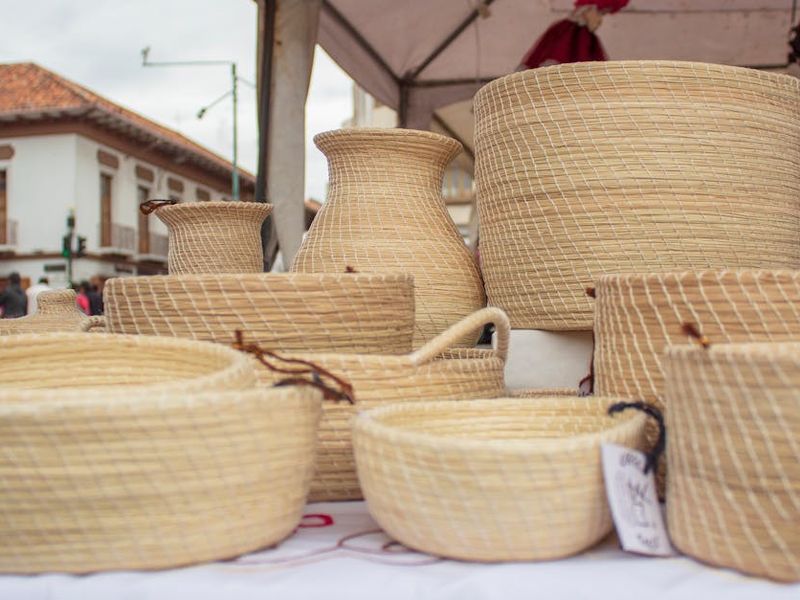
Explore El Barranco — art galleries, cafés and riverside viewpoints — and climb to Mirador de Turi for a broad panorama of the city. Artisans are one of Cuenca’s strengths: take a short trip to Chordeleg for filigree silver jewelry and to Gualaceo for ceramics, textiles and local crafts. Panama-style hats (sombreros de paja toquilla) and workshops are also found nearby; watching a weaver shape a hat can be surprisingly captivating.
Food lovers should wander central markets for hearty cuencano dishes: try bolón de verde (green-plantain dumpling), mote pillo, and hornado (slow-roasted pork) at popular market stalls. For a sweet finish, sample locally made ice cream and café specialties in Calle Larga or Calle Las Herrerías.
Day Trips from Cuenca
- Cajas National Park — lakes, páramo hikes and wildlife watching (30–60 minutes north).
- Chordeleg & Gualaceo — artisan towns for jewelry, textiles and ceramics (45–60 minutes).
- El Cajas high-altitude lakes for photography and short treks.
Loja: Music, Nature and a Laid-back Cultural Hub
Loja is smaller and quieter than Cuenca but rich in cultural life — the city is sometimes called Ecuador’s music capital because of its conservatories, musicians and festivals. Stroll the Plaza Central to see the Loja Cathedral and pop into local cafés where students and artists gather.
From Loja, Podocarpus National Park stretches into biodiverse cloud forest with trails for birdwatchers and hikers. The nearby Saraguro indigenous communities offer cultural encounters and markets where you can learn about local textiles and customs. If you enjoy music, check local listings — impromptu concerts and chamber music events are surprisingly common.
Practical Notes for Loja
- Loja’s regional airport (near Catamayo) offers occasional domestic flights; buses remain the most frequent option to reach the city.
- Book guided cloud-forest excursions if you want expert birding — the area is a hotspot for endemic species.
Vilcabamba: The Valley of Relaxation and Outdoor Living
Vilcabamba’s reputation as the “Valley of Longevity” and a hub for health-conscious expats is well established, though longevity claims are often anecdotal. The town centers around a relaxed main street lined with cafés, organic markets, and small wellness centers offering yoga, massages and alternative therapies.
Outdoor options radiate from Vilcabamba: soft hikes to nearby viewpoints (such as the popular Mandango lookout), swimming holes along clear streams, and easy treks through farmland and shaded trails. Local guides can tailor half-day walks for all fitness levels; many trails reward hikers with vast valley views and birdlife.
Vilcabamba’s culinary scene emphasizes fresh, locally grown produce: try dishes built around fresh salads, grilled fish, or Ecuadorian staples with a healthful twist. Markets and organic shops make it easy to enjoy a simple, nutritious meal between hikes.
Where to Sleep: Accommodation Options
Cuenca offers everything from clean hostels and family-run guesthouses to boutique hotels in restored colonial buildings. Expect to pay $15–40 USD for budget rooms, $50–120 for mid-range, and higher for boutique options. Loja and Vilcabamba are generally cheaper — basic rooms can be found for $10–30, while comfortable guesthouses and wellness lodges range from $40–90 per night.
If you plan extended stays, short-term apartment rentals in Cuenca are plentiful and often include kitchens and laundry — a smart option if you’re considering slow travel or medical tourism.
Food, Drink and Markets
Local markets are a highlight: fresh fruit, panela (unrefined cane sugar), corn-based snacks and hot tamales are excellent ways to sample Ecuadorian flavors. In Cuenca, neighborhood markets and small bodegas serve up breakfast staples. Coffee culture is strong — enjoy small specialty cafés in each city.
Dining out is affordable. A casual meal might cost $3–6, while a three-course dinner in a nicer restaurant ranges $15–30. Tipping is appreciated but not mandatory; rounding up or leaving 5–10% is common for good service.
Health, Safety and Practical Concerns
Acclimatize gradually: allow a day or two in Cuenca before strenuous hikes to adapt to the altitude. Carry water, sunscreen and layers. Tap water in many highland towns is treated, but if you have a sensitive stomach, buy bottled water or use a filter — many travelers err on the side of caution.
Cuenca has high-quality private clinics and a range of medical services; Loja and Vilcabamba have basic clinics with the closest larger hospitals in Cuenca or Loja. Pharmacies are abundant and staff can often help with over-the-counter remedies.
Southern highland towns are generally safe, especially outside major tourist cities. Common-sense precautions — secure your belongings, avoid poorly lit streets at night, and be discreet with jewelry — will keep most problems at bay. Solo female travelers find Cuenca and Vilcabamba welcoming, but staying aware and using registered taxis at night is recommended.
Budgeting: How Much Will You Spend?
Expect a wide range depending on style. Budget travelers can manage on $30–50 per day (hostel dorms, street food, public transport). Mid-range travelers who prefer private rooms, sit-down restaurants and occasional guided tours should budget $60–120 per day. Vilcabamba tends to be slightly cheaper for food and basic accommodations, while Cuenca has more mid-range boutique options that cost more.
Language, Connectivity and Local Customs
Spanish is essential in smaller towns. In Cuenca you’ll find more people with basic English in hotels and tourist areas, but learning a few phrases will improve your experience and open doors to local conversation. Useful phrases: “¿Cuánto cuesta?” (How much?), “¿Dónde está la parada de bus?” (Where is the bus stop?), and “gracias” goes a long way.
Mobile connectivity is good: buy a local SIM (require ID) from Claro, Movistar or CNT for data and calls. Most cafés and hotels provide free Wi-Fi, although speeds vary outside city centers.
Sample 7–10 Day Itinerary
Day 1–3: Cuenca — Explore the historic center, Pumapungo, El Barranco, and one day trip to Cajas National Park. Spend an evening wandering Calle Larga.
Day 4–5: Vilcabamba — Transfer to Vilcabamba for hiking, swimming holes, and relaxation. Try a guided hike to Mandango for sunset views.
Day 6–7: Loja — Head to Loja for cultural immersion, local food and a day in Podocarpus National Park for birding or cloud-forest trails.
Extend your trip: add artisan towns like Chordeleg and Gualaceo; or loop back to Cuenca for a food or weaving tour.
Packing List: Essentials for Southern Highlands Travel
- Layered clothing: mornings and evenings can be cool while afternoons warm up.
- Light rain jacket and waterproof shoes — mountain weather shifts fast.
- Reusable water bottle and water filter or purification tablets if you prefer to avoid bottled water.
- Sunscreen, hat and sunglasses — sun is strong at altitude.
- Basic first-aid kit, altitude remedy (if you use one), and any prescription meds.
- Spanish phrasebook or translation app for smoother interactions.
Final Tips for a Smoother Trip
Slow down and let each town reveal itself. Cuenca rewards wandering and museum visits; Loja invites intimate cultural exchanges; Vilcabamba encourages a slower pace with nature and wellness. Ask locals for restaurant and trail recommendations — their tips often lead to the best experiences, from the coziest bakery to a hidden viewpoint.
Above all, respect local customs and small-community rhythms. Whether you’re sampling hornado in a family-run market stall or hiking an Andean ridge, a friendly attitude and a few Spanish phrases will go a long way toward making the southern highlands feel like a second home.