
Table of Contents
Why the Southern Highlands Deserve a Spot on Your Ecuador Itinerary
The southern highlands of Ecuador—anchored by Cuenca, Loja, and the legendary valley of Vilcabamba—offer a mix of colonial architecture, biodiversity, mountain landscapes, and a slower pace that appeals to travelers and longtime residents alike. This region combines UNESCO history, world-class birding, warm microclimates, and a thriving arts scene, making it perfect for cultural explorers, hikers, birdwatchers, and anyone considering longer-term stays.
Quick Orientation: Geography, Altitude & Climate
These three destinations sit on the southern spine of the Andes. Cuenca perches at roughly 2,500 meters (about 8,200 ft) with cool, crisp days and chilly nights. Loja is slightly lower and known for milder evenings. Vilcabamba sits down-valley at a lower altitude—often around 1,500 meters (5,000 ft)—and enjoys a noticeably warmer microclimate, lush vegetation, and slower rhythms. Weather can change quickly in the Andes: lightweight layers, a rain jacket, and sun protection are essentials.
How to Get Around
Arriving by Air
Cuenca has a small international airport with domestic connections, making it an easy entry point if you’re coming from Quito or Guayaquil. Loja also has an airport with limited domestic flights. Flights are handy when time is short, but remember that mountain flights can be affected by weather.
Overland Options: Buses, Private Shuttles & Rentals
Bus travel is the backbone of travel here—comfortable, affordable, and frequent. Direct buses link Cuenca and Loja (the journey usually takes around 3.5–5 hours depending on the route and stops) and there are regular services to Vilcabamba from both cities. For more flexibility, private shuttles and shared vans operate between towns and are faster and pricier than public buses. Renting a car gives you freedom to explore side valleys and national parks, but mountain driving requires confidence with narrow, winding roads.
Cuenca: Colonial Streets, Craft Traditions & Natural Escapes
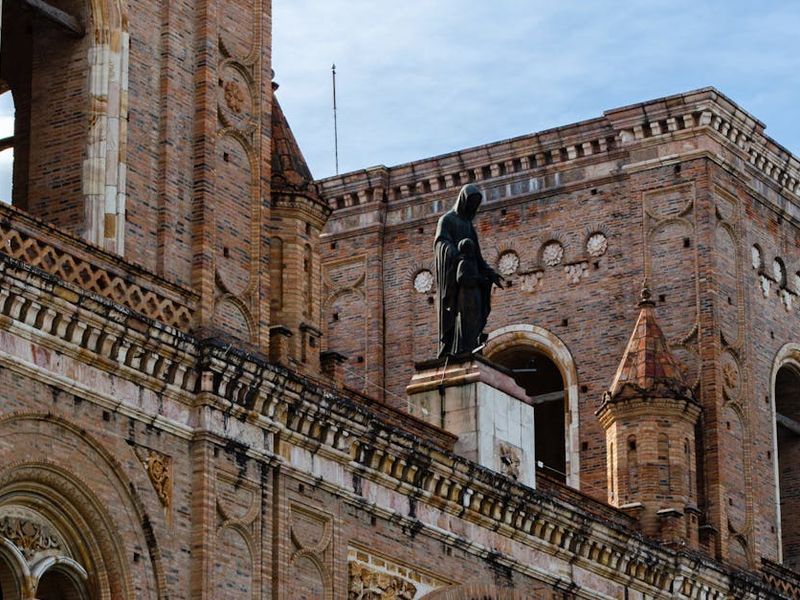
Cuenca is the region’s cultural and tourist hub. Its historic center is a UNESCO World Heritage site, studded with red-tiled roofs and the iconic blue-domed cathedral that towers over Parque Calderón. Wandering the centro, you’ll find churches, cobblestone streets, and an approachable, walkable city layout.
Must-See Sights in Cuenca
- Parque Calderón and the Cathedral: The social heart of the city and a great starting point for orientation.
- Pumapungo Museum and ruins: Learn about pre-Columbian history and see archaeological remains in a compact setting.
- Tomebamba river walks: Scenic promenades and bridges line this clear urban river—ideal for golden-hour strolls.
- Mirador Turi: For panoramic photos of the city and surrounding mountains, head to this viewpoint on the eastern slope.
- El Cajas National Park: A short drive away, this high-altitude park is perfect for hiking, lakeside camping, and birdwatching.
Food, Markets & Craft Shopping
Cuenca’s food scene mixes traditional Ecuadorian dishes with inventive cafés and international flavors. Don’t miss local specialties like mote pillo (hominy with scrambled eggs) for breakfast, hornado (slow-roasted pork) in local markets, and hearty soups. For shopping, the surrounding towns are a rich source of crafts: Chordeleg for silverwork and jewelry, and Gualaceo for woven textiles and ceramics. The central markets in Cuenca are great for fresh produce, street food, and people-watching.
Where to Stay in Cuenca
Most visitors prefer staying in or near the historic center for easy access to sights and dining. The areas along the Tomebamba river offer quieter evenings and scenic walks. If you want a more residential feel, explore neighborhoods a few blocks from the centro where cafés and small grocery stores make daily life easy.
Loja: Ecuador’s Musical Heart and Biodiversity Hub
Loja pulses with cultural life—locally known for music, festivals, and a strong sense of identity. It’s quieter than Cuenca but offers excellent gateways to nature and birding hotspots.
Highlights and Activities
- Historic downtown: Stroll the central plaza and sample local bakeries and cafés.
- Podocarpus National Park access: The park straddles Loja province and offers cloud forest trails, waterfalls, and exceptional birdwatching opportunities.
- Local festivals and music events: Loja hosts cultural gatherings throughout the year; check local calendars for concerts and fairs.
Practical Tips for Visiting Loja
Loja’s location makes it a strategic base for exploring nearby valleys and cloud forests. If you’re into birding, hire a local guide who knows the best trails and overlooks in Podocarpus and the adjacent reserves. Lodging ranges from family-run guesthouses to small boutique hotels in the center.
Vilcabamba: A Relaxed Valley with Wellness Vibes
Often nicknamed the “Valley of Longevity,” Vilcabamba attracts travelers looking for a calmer pace, outdoor recreation, and a mild climate. While the longevity myth is part of its mystique, the real draw is the peaceful atmosphere, tapas-style cafés, and plentiful trails that lead to waterfalls and viewpoints.
What to Do in Vilcabamba
- Hiking and waterfalls: Trails range from short walks to full-day treks to waterfalls and ridge viewpoints.
- Wellness and retreats: Yoga studios, holistic centers, and artisanal markets make it a popular stop for wellness-minded travelers.
- Local markets: Sunday markets and small craft stalls are perfect for browsing local produce and handmade goods.
Practicalities: Staying Comfortable in Vilcabamba
The valley is warmer than the highlands—pack lighter clothing but bring a light fleece for evenings. Mosquito repellent is handy in lower, greener areas. If you plan longer hikes, bring sturdy footwear and a refillable water bottle; there are opportunities to hire local guides for waterfall treks and horseback riding.
Health, Safety & Practical Travel Tips
Altitude & Health
Cuenca and Loja sit at high altitudes; Vilcabamba is lower. Give yourself a day or two to acclimatize in Cuenca if you’re coming from lowland coastal regions. Hydrate, avoid heavy exertion on day one, limit alcohol, and try coca leaf tea (commonly available) if you’re sensitive to altitude changes. For prolonged stays, Cuenca offers reliable private clinics and dentists.
Money, Phone & Connectivity
Ecuador uses the U.S. dollar, which simplifies budgeting. ATMs are plentiful in cities; carry some cash in smaller towns. Local SIM cards from national carriers provide solid coverage—buy one at the airport or local shops and top up as needed. Many cafés and hotels offer free Wi-Fi, but speeds can vary.
Safety & Common Sense
The southern highlands are generally safe for travelers, but petty theft and pickpocketing can occur in crowded places. Keep valuables secure, use hotel safes, and avoid poorly lit areas at night. Registered taxis or recommended drivers are a sensible choice for late-night transfers.
Food & Dining: Local Flavors to Try
Traditional Andean-and-Amazonian influences shape the cuisine. In Cuenca you’ll find excellent bakeries, artisan coffee shops, and restaurants mixing international and local ingredients. Sample ceviche if you visit coastal markets, but in the highlands look for soups, roasted meats, and fresh produce. Don’t miss trying local fruit juices and freshly made empanadas from street stalls.
Festivals & Cultural Calendar
Timing your visit to coincide with a local festival can enrich your experience. Cuenca’s founding festivities (early November) bring parades, live music, and cultural programming. Loja hosts musical events and cultural fairs throughout the year. Smaller towns hold weekend markets and patron-saint celebrations—check local listings for exact dates and special events.
Sample 7–10 Day Itineraries
7-Day Highlights: Cuenca + Day Trips
- Day 1–2: Arrive in Cuenca, explore Parque Calderón, cathedral, riverside promenades, and artisan shops.
- Day 3: Day trip to El Cajas National Park for a hike and scenic lakes.
- Day 4: Visit Pumapungo Museum and the artisan towns of Chordeleg and Gualaceo.
- Day 5: Travel to Ingapirca ruins, explore Inca architecture en route to Loja.
- Day 6: Arrive in Loja, stroll the town and enjoy a local concert or café.
- Day 7: Short trip to nearby cloud forest trails or return to Cuenca for departure.
10-Day Pace: Cuenca, Vilcabamba & Podocarpus
- Day 1–3: Settle into Cuenca, museum visits, river walks, and a cooking class or food tour.
- Day 4: Drive to Vilcabamba, relax in the valley, and visit a local market.
- Day 5–6: Hike to waterfalls, enjoy wellness offerings, and try horseback riding.
- Day 7: Travel to Loja, explore the town and nearby viewpoints.
- Day 8–9: Day trips into Podocarpus National Park with a birding guide or nature walk.
- Day 10: Return to Cuenca for departure.
Living Like a Local: Tips for Longer Stays
If you’re considering an extended stay or relocation, the southern highlands offer an attractive balance of affordability, good healthcare, and a friendly expat community—especially in Cuenca and Vilcabamba. Learn basic Spanish to deepen daily interactions, explore local markets for groceries, and seek out community classes or language exchanges to make friends. Rent first before buying property and connect with other long-term residents to understand local bureaucracy and practicalities like utilities and residency procedures.
Packing Essentials & Final Tips
- Layered clothing and a waterproof jacket—mountain weather changes fast.
- Sun protection and sunglasses—altitude intensifies UV exposure.
- Comfortable walking shoes for cobblestones and trails.
- Insect repellent for lower valleys like Vilcabamba and forested hikes.
- Reusable water bottle and basic first-aid kit—altitude headaches and blisters happen.
- Spanish phrasebook or app to help navigate rural areas where English is less common.
Final Thoughts: A Region of Contrasts and Comforts
The southern highlands of Ecuador blend colonial charm, natural abundance, and a warm, welcoming culture. Cuenca’s architectural beauty and services, Loja’s cultural heart and access to cloud forests, and Vilcabamba’s relaxed valleys create a trio of destinations that complement each other well. Whether you’re passing through for a week or planning a longer stay, this region offers the pleasures of local life, dramatic landscapes, and plenty of opportunities to slow down and savor Ecuador’s southern highlands.
Ready to plan your trip? Start with a few days in Cuenca to acclimatize and then let the roads lead you—toward music in Loja, waterfalls in Vilcabamba, and endless vistas across Andean peaks.