
Table of Contents
Why the Southern Highlands Deserve a Spot on Your Ecuador Itinerary
The southern highlands of Ecuador offer a mix of colonial charm, cloud-forest biodiversity and laid-back valley life that’s hard to find elsewhere. From Cuenca’s UNESCO-listed streets to Loja’s musical temperament and Vilcabamba’s valley of long-livers, this region blends culture, adventure and wellness. This guide helps you plan travel logistics, highlights must-see sites, and shares local tips so you can savor the best of each place.
Quick Orientation: Altitude, Weather and Getting There
Start with a few practical facts. Cuenca sits at about 2,550 meters (8,400 ft), Loja around 2,050 meters (6,700 ft), and Vilcabamba lies lower in a warm valley at roughly 1,500 meters (4,900 ft). That steep altitude gradient gives you very different climates within a short drive: crisp, cool air in Cuenca; mild and sunny days in Loja; and warmer, subtropical breezes in Vilcabamba.
The highlands typically follow a wet/dry rhythm: roughly the rainy season runs from October through May, and the drier months are June through September. However, microclimates prevail — Vilcabamba is reliably warmer and dryer than Cuenca.
Major access points: Cuenca’s Mariscal Lamar Airport receives domestic flights from Quito and Guayaquil, and long-distance buses connect it widely. Loja is reachable by a scenic bus ride from Cuenca or by flying to the nearby Catamayo/Loja airport. Vilcabamba is a short bus or taxi ride south of Loja. Buses are economical and frequent; private transfers are convenient if you’re on a tighter schedule.
Cuenca: Historic Streets, Modern Comforts
Top Sights and Neighborhoods
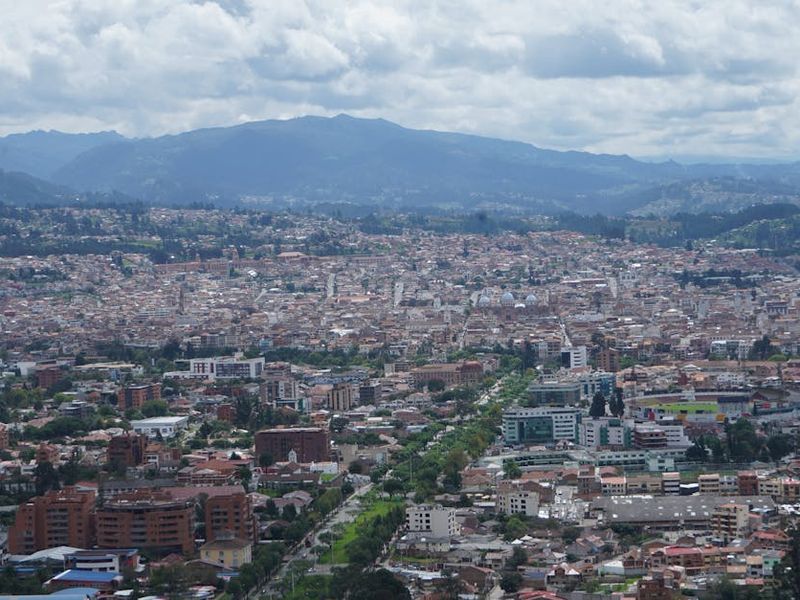
Cuenca’s historic center is a UNESCO World Heritage site for good reason. Stroll around Parque Calderón to admire the blue-domed New Cathedral, explore the riverside neighborhood of El Barranco for galleries and coffee shops, and browse artisan markets for Panama hats — which were actually popularized in Ecuador.
Don’t miss Mercado 10 de Agosto for fresh produce, pastries and a lively local scene. For jewelry and weaving, take a short trip to Chordeleg and Gualaceo in the nearby Paute valley. If you like history, the Museo Pumapungo offers pre-Columbian collections and well-preserved terraces.
Outdoor Adventures
Cajas National Park, just 30–50 minutes from Cuenca, is a high-altitude wilderness of lakes (lagunas), wind-swept plains and well-marked hikes. Routes range from short 1–2 hour circuits to full-day treks — bring warm layers and waterproof gear. For culture plus ruins, schedule a half-day trip to Ingapirca, Ecuador’s most significant Inca archaeological site, about an hour and a half north of Cuenca.
Where to Eat and Sleep
Cuenca’s food scene mixes hearty Andean dishes with international cuisine. Try hornado (slow-roasted pork), llapingachos (potato patties) and local trout. Cuy is available if you’re adventurous. For coffee lovers, nearby small farms offer tours where you can learn about micro-lot roasts.
Accommodation runs from budget hostels to boutique hotels in restored colonial buildings; staying inside the historic center places you within walking distance of most attractions. Expect comfortable mid-range rooms to be very affordable compared to North American or European rates.
Loja: Music, Coffee and Cloud-Forest Gateways
Why Visit Loja?
Loja calls itself Ecuador’s cultural capital: music conservatories, festivals and a mellow pace define the city. It’s less touristed than Cuenca but rewards visitors with charming parks, museums and a vibrant coffee culture. Loja is also a gateway to Podocarpus National Park, a biodiversity hotspot where cloud forest meets paramo.
Podocarpus National Park
Podocarpus (a few hours from Loja) is famous among bird watchers and nature lovers. Trails lead through dense forest with waterfalls, bromeliads and orchids. Depending on your energy and fitness, you can choose short walks or multi-hour birding hikes often guided by local naturalists who know where to spot endemic species.
Local Flavors and Practicalities
Loja’s coffee is exceptional — small farms practice shade-grown, wet-processed techniques that produce balanced cups. Consider visiting a coffee finca for a tasting and farm tour. The city’s compact size means you can explore museums, plazas and craft markets on foot. ATMs and services are plentiful, though if you plan to head into the cloud forest, carry cash and supplies.
Vilcabamba: Rest, Hikes and the “Valley of Longevity”
The Appeal of Vilcabamba
Vilcabamba has earned a reputation as a wellness and retirement hub thanks to its temperate climate, easy trails and a slower lifestyle. It attracts hikers, yoga practitioners and people seeking a gentler pace. The town center is small, with cafes, craft shops and a weekly market selling fresh produce and handmade goods.
Hiking, Waterfalls and Hot Springs
Trails around Vilcabamba range from short viewpoint walks to full-day routes that lead to waterfalls, remote hamlets and ridge-top panoramas. One popular short hike climbs above town to a ridge viewpoint — an excellent sunset spot. There are nearby thermal springs and river spots for swimming; local eco-lodges often combine guided hiking with wellness packages.
Practical Tips for Staying in the Valley
Vilcabamba’s small-town feel means services are more limited than Cuenca or Loja; pharmacies and boutiques are available, but for specialized items it’s wise to buy in Loja or Cuenca. Accommodation choices include family-run lodges, eco-hostels and a handful of boutique hotels. Dining favors farm-to-table cuisine, fresh fruit, and excellent local coffee.
Sample 10-Day Itinerary: Cuenca, Loja & Vilcabamba
Here’s a balanced itinerary that mixes culture, nature and relaxation. Modify it based on your pace and interests.
- Day 1–3: Cuenca — Historic center, museum visits, Mercado 10 de Agosto, evening live music.
- Day 4: Day trip to Cajas National Park (hike or laguna loop).
- Day 5: Ingapirca ruins and artisan towns (Gualaceo, Chordeleg) — return to Cuenca or overnight in a nearby hacienda.
- Day 6: Travel to Loja — explore central plazas, music venues and local coffee shops.
- Day 7: Podocarpus day trip for birding or waterfall hikes (consider a guided tour).
- Day 8–10: Vilcabamba — chill, short hikes, thermal springs, local market, optional yoga/retreat day.
Money, Communication and Safety Tips
Ecuador uses the US dollar, simplifying budgeting. Cash is handy in markets and smaller towns; ATMs are available in major towns but carry a reserve if you head into remote areas. Spanish is the dominant language; learning a few phrases will enhance interactions.
Safety-wise, the southern highlands are generally welcoming and low-risk, but petty theft and opportunistic scams occur — keep valuables secure, use hotel safes, and avoid poorly lit streets at night when traveling alone. For taxis in Cuenca, ask your hotel to call a reputable driver or use official taxi apps where available. Agree on fares if meters aren’t used.
Health, Altitude and What to Pack
Give yourself a day to acclimatize in Cuenca’s altitude if you’re coming from sea level. Symptoms of mild altitude sickness include headache and fatigue; stay hydrated, avoid alcohol on your first day and take it easy on strenuous activity. Over-the-counter remedies and oxygen canisters are available in pharmacies but consult your physician before traveling if you have cardiac or respiratory issues.
Packing essentials: layered clothing for variable temperatures, a lightweight rain jacket, sturdy hiking shoes, sunscreen and a reusable water bottle. Bring insect repellent for lower-elevation hikes and any prescription medications you need. Many travelers prefer to start with bottled water until your stomach adjusts.
Local Customs, Festivals and Responsible Travel
Respect local customs: greet people with a warm handshake (or cheek-to-cheek in casual settings), ask before photographing people, and be mindful in rural communities. Festivals enliven the calendar year-round — Semana Santa in Cuenca draws solemn processions, and Loja’s musical events happen periodically; check local listings before you go.
Responsible travel tips: stay on marked trails, use established guides for sensitive ecosystems, and choose community-run tours when possible. Supporting local artisans and family-run eateries keeps tourism dollars in the community.
Budgeting: How Much Will It Cost?
Costs are lower than many Western destinations but vary by comfort level. Expect hostels from $8–20/night, mid-range hotels $40–80/night, and boutique options $90+. Meals at local eateries (comedores) can be $2–6, while nicer restaurants might be $10–25 per person. Regional buses are cheap — short trips often under $5, longer intercity routes $10–25. Domestic flights will add to your budget but save time.
Final Tips and the Best Time to Visit
Choose the dry season (June–September) if your trip prioritizes hiking and outdoor photography. If you’re drawn to cultural festivals or want fewer crowds, shoulder seasons can be rewarding. Allow flexibility in your schedule — bad weather can delay travel, and unplanned local experiences often become trip highlights.
Whether you’re wandering Cuenca’s cobbled avenues, listening to the quiet music of Loja, or enjoying a slow, restorative week in Vilcabamba, Ecuador’s southern highlands offer a rich mix of discovery and relaxation. Pack layers, an open mind and a sense of curiosity — and you’ll return with stories of lakes, coffee, colonial architecture and mountain air that lingers long after you leave.
Useful Resources
- Check local bus schedules at municipal terminals or ask your accommodation for the latest times.
- Visit park visitor centers in Cajas and Podocarpus for trail updates and weather warnings.
- Look up current festival dates through municipal tourism sites for Cuenca, Loja and Vilcabamba.