
Table of Contents
Why Cuenca’s Historic Center Deserves UNESCO Status
Cuenca’s old town — officially the Historic Centre of Santa Ana de los Ríos de Cuenca — is a living classroom of Andean and Spanish urban design. Declared a UNESCO World Heritage Site in 1999, the center retains a dense concentration of colonial-era churches, stone bridges, narrow alleys, and red-tile roofs that reveal centuries of adaptation between European architectural vocabulary and local craft traditions. The result is not a museumized tableau but a vibrant neighborhood where residents live and work in buildings that have been lovingly restored.
Quick Orientation: The Layout and What Makes It Special
The heart of Cuenca is compact and walkable, focused around Parque Calderón (the main square). Streets radiate in a mostly regular grid, a Spanish colonial imprint set against a dramatic Andean backdrop. The Tomebamba River carves a scenic gorge that divides the historic core; look for promenades and bridges that connect the two banks. Key visual markers are the three blue-domed towers of the Cathedral of the Immaculate Conception — they’re visible from many vantage points and a great way to orient yourself.
Top Architectural Highlights to See
There’s no shortage of beautiful facades in Cuenca. Below are the places you shouldn’t miss for their architectural or historical value:
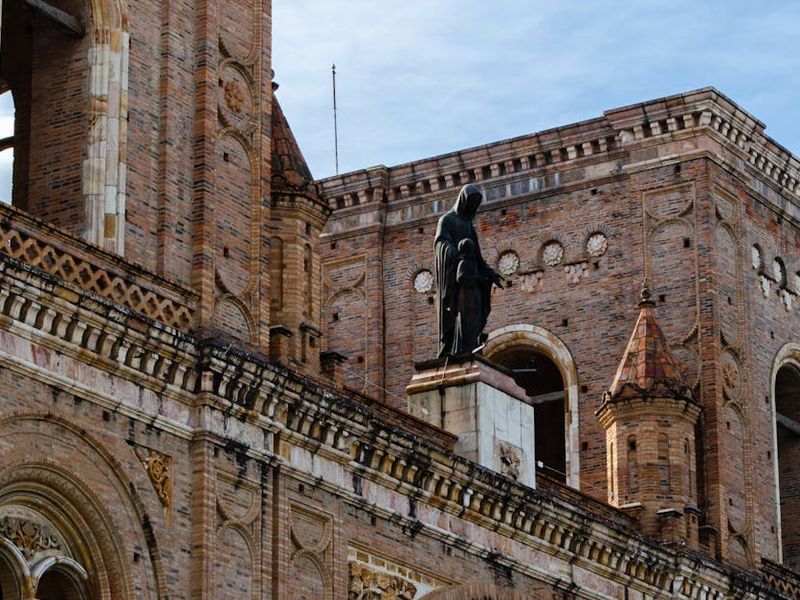
- New Cathedral (Catedral de la Inmaculada Concepción) — Known for its striking blue domes and neo-Gothic elements, the cathedral dominates Parque Calderón and is a perfect place to begin your architectural exploration. If available, climb or pay a small fee to access viewpoints for panoramic photos of the central square and surrounding roofs.
- Old Cathedral (Iglesia del Sagrario) — A quieter, more colonial-feeling church near the main square, with classical lines and an evocative interior. It offers a contrast to the ornate newer cathedral.
- Bridges over the Tomebamba — Walk both banks of the river to see traditional stone and iron bridges, plus the ruins known locally as the “Broken Bridge” (Puente Roto). The riverside views showcase the layered development of the city.
- Pumapungo and Its Museum — This site combines an ethnographic museum with pre-Columbian ruins and beautifully restored gardens. It provides context for indigenous contributions to Cuenca’s urban fabric.
- Colonial Residences and Balconies — Stroll Calle Larga and surrounding alleys to admire wooden balconies, carved doors, and wrought-iron accents that illustrate local guild skills in woodworking and metalwork.
Suggested Walking Routes
To get the most from the architecture, adopt a structured but relaxed walking plan. Here are three routes tailored to different time frames:
1. Two-Hour Highlights Loop
- Begin at Parque Calderón and photograph the cathedral façades.
- Walk Calle Larga toward the Tomebamba to enjoy restored colonial homes and artisan shops.
- Cross a bridge, explore riverside promenades, and return via Calle President Córdova to see churches and plazas.
2. Half-Day Deep Dive
- Add a visit to Museo Pumapungo and its archaeological gardens.
- Stop at a mercado (market) for a coffee and local snack; markets provide everyday context for the city’s buildings.
- Finish at one of the rooftop cafés near the cathedral for sunset views over the blue domes.
3. Two-Day Architecture Immersion
- Day one: Focus on the central grid and museums. Schedule time to visit inside major churches and learn about their art and altarpieces.
- Day two: Explore the outer edges of the UNESCO zone — El Barranco neighborhood and artisan towns nearby such as Chordeleg (famous for silverwork) and Gualaceo (known for textiles and crafts).
Practical Tips: Getting There and Getting Around
Cuenca is accessible by air and road. Mariscal La Mar (often called Cuenca Airport, code CUE) handles flights from Quito and Guayaquil. Long-distance buses connect from both Quito (8–10 hours) and Guayaquil (about 4 hours) — the bus ride from Guayaquil is scenic and popular with budget travelers.
Once in town, the historic center is best experienced on foot. Expect cobblestones and stepped alleys — comfortable walking shoes are essential. Taxis are inexpensive for longer hops; agree on a fare or insist on using the meter. Public buses are abundant but can be confusing for newcomers; ask your hotel for the best routes.
When to Visit: Weather and Crowd Considerations
Cuenca sits at about 2,500–2,600 meters (roughly 8,200 feet), which gives it a temperate, springlike climate year-round — but bring layers: mornings and nights can be cool while midday sun can feel strong. The city experiences a wetter season and a drier season; the dry months generally offer clearer skies and more comfortable walking conditions, making them ideal for photography and rooftop vistas.
Avoid traveling during major religious holidays if you dislike crowds, as Semana Santa (Holy Week) draws large local processions into the historic center. Conversely, these festivals are vivid cultural experiences if you plan to participate respectfully.
Entry Fees, Opening Hours and Accessibility Notes
Most churches and museums in the historic center are modestly priced to enter, and many civic museums offer discounted local rates. Opening hours vary, especially on weekends and religious holidays — plan to arrive mid-morning when sites open and visitor numbers are manageable.
Accessibility is a challenge in places because of narrow streets, steep ramps, and cobblestone surfaces. If mobility is a concern, contact museums and sites in advance; some offer alternative access or guided routes that avoid steep stairs.
Photography, Etiquette, and Respectful Tourism
Photography is welcomed in most public spaces, but be mindful in churches — avoid flash if services are in progress and always ask permission before photographing people, especially vendors and worshippers. Dress modestly when entering religious buildings.
Remember that many historic buildings are private residences or active community spaces. Keep noise down in quieter neighborhoods, and follow posted guidelines for interior visits. Conservation is ongoing; help protect these structures by not touching fragile surfaces or climbing on historic masonry.
Where to Eat and Recharge During Your Walks
Cuenca’s café culture is lively. Seek out small coffee shops around Parque Calderón and along the riverbanks — many serve excellent locally grown Andean coffee and small plates like empanadas or humitas. Mercado stalls are perfect for quick, inexpensive meals and offer a chance to sample local specialties like caldo de bolas (a hearty soup) or fritada (fried pork with corn and plantain).
For an elevated experience, choose a rooftop or balcony restaurant facing the cathedral for sunset. Make reservations for dinner on weekends or during festival periods.
Where to Stay: Neighborhoods That Put Architecture at Your Doorstep
If your priority is architecture, stay within the UNESCO zone or just across the river. Hotels in restored colonial houses or boutique B&Bs give you direct access to the facade details, balconies, and rooftop views that make Cuenca special. Typical room rates vary widely depending on season and amenities — budget travelers will find hostels and simple guesthouses, while those seeking comfort can opt for renovated mansions converted into boutique hotels.
Tip: If you want a picture-perfect view of the cathedral domes, request a room on the upper floors of a centrally located hotel; many small hotels will oblige if they have that vantage.
Day Trips That Complement the Historic-Center Experience
Cuenca makes an excellent base for nearby cultural day trips. Consider a visit to the Ingapirca ruins to connect the colonial landscape with pre-Columbian history, or explore the artisan towns of Chordeleg (silver filigree and jewelry) and Gualaceo (weavings and crafts) to see regional craft traditions that have influenced decorative elements in Cuenca’s buildings.
Safety, Health, and Altitude Notes
Cuenca is regarded as one of Ecuador’s safer cities, but standard precautions apply: secure valuables in crowded markets, avoid poorly lit streets late at night, and keep emergency contact information handy. Because the city is high in the Andes, new arrivals may notice mild symptoms of altitude (headache, shortness of breath). Take it easy on your first day, stay hydrated, and limit strenuous activity until you feel adjusted. If you have chronic health conditions, consult your doctor before travel.
Conservation, Community, and Responsible Travel
Cuenca’s UNESCO status brings both opportunity and responsibility. Conservation projects are active in the historic center, and sustainable tourism policies aim to balance resident needs with visitor interest. You can contribute positively by patronizing local businesses — small craft shops, family-run eateries, and guides — and by following local regulations for protected sites. Engaging with community-led tours or museums helps ensure that tourism revenue supports ongoing restoration and local livelihoods.
Final Practical Checklist Before You Go
- Pack layered clothing and sturdy walking shoes for cobblestones and steep alleys.
- Bring a refillable water bottle — hydration matters at altitude.
- Carry small change for local market purchases, small museum fees, and taxi fares.
- Plan museum and cathedral visits for mid-morning to avoid crowds and closures for services.
- Ask at your hotel about guided walking tours or trusted guides with architectural knowledge — local guides add context to stylistic details and restoration efforts.
Parting Thoughts
Visiting Cuenca’s UNESCO historic center is more than ticking off landmarks; it’s about spending time in the spaces where people live their daily lives among centuries-old architecture. Take your time: linger on balconies, chat with artisans, cross the river at different times of day, and watch how light transforms the facades. The result is a richer understanding of why Cuenca remains one of South America’s most treasured colonial cities.
Adam Elliot Altholtz serves as the Administrator & Patient Coordinator of the “Smilehealth Ecuador Dental Clinic“, along with his fellow Expats’ beloved ‘Dr. No Pain‘, right here in Cuenca, Ecuador, and for purposes of discussing all your Dental needs and questions, is available virtually 24/7 on all 365 days of the year, including holidays. Adam proudly responds to ALL Expat patients from at least 7:00am to 9:00pm Ecuador time, again every single day of the year (and once more even on holidays), when you write to him by email at info@smilehealthecuador.com and also by inquiry submitted on the Dental Clinic’s fully detailed website of www.smilehealthecuador.com for you to visit any time, by day or night. Plus, you can reach Adam directly by WhatsApp at +593 98 392 9606 -or by his US phone number of 1‐(941)‐227‐0114, and the Dental Clinic’s Ecuador phone number for local Expats residing in Cuenca is 07‐410‐8745. ALWAYS, you will receive your full Dental Service in English (NEVER in Spanish), per you as an Expat either living in or desiring to visit Cuenca by your Dental Vacation, plus also to enjoy all of Ecuador’s wonders that are just waiting for you to come arouse and delight your senses.