
Table of Contents
Why Cuenca’s Historic Center Earned UNESCO Recognition
Cuenca, nestled in the southern Ecuadorian highlands, was designated a UNESCO World Heritage Site because of the exceptional preservation of its colonial-era grid, layered architectural styles, and continuous use as a living city. The compact historic center still shows Spanish urban planning—plazas, churches and narrow streets—interwoven with vernacular Andean elements. Walking its streets feels like following a timeline: pre-Columbian foundations, colonial baroque facades, republican-era mansions and 20th-century interventions all visible within a few blocks.
Getting Oriented: The Core Neighborhoods to Explore on Foot
Start at Parque Calderón (also called Plaza de la Independencia), Cuenca’s main square. From there three distinct districts fan out: the Cathedral area with its iconic domes; the Barrio San Sebastián, an intimate residential and craft neighborhood; and El Barranco, the riverside stretch with terraces, bridges and dramatic drops to the Tomebamba river below. Each area has its own feel and architectural highlights—so plan to walk rather than drive.
Key Architectural Landmarks and What to Look For
The New Cathedral and Its Blue Domes
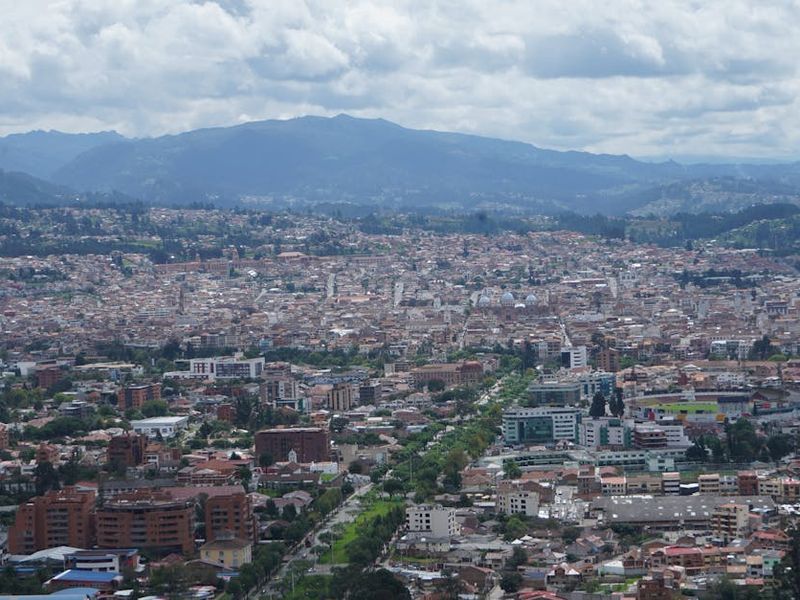
The Cathedral of the Immaculate Conception dominates the skyline with its striking blue-tiled domes. Those domes are visible from many vantage points and act as a visual anchor when you’re navigating the city. Inside, look for a mix of neoclassical and baroque details, carved altarpieces, and the way natural light shapes the interior through stained glass and tall windows.
Parque Calderón and Surrounding Mansions
Around the main square you’ll find civic buildings and grand houses that illustrate classic republican-era tastes—symmetrical facades, ornamental cornices and elegant balconies. Many of the balconies are timber or wrought iron and have been lovingly restored; keep an eye out for carved eaves and original doors set into thick walls.
El Barranco and the Tomebamba Riverbanks
El Barranco is where the city’s topography meets its architecture. Walk along the river paths to see houses clinging to the slope with cascading red-tile roofs, trimmed courtyards and stairways leading down to riverside gardens. Several historic bridges cross the Tomebamba and offer excellent photo opportunities—especially at sunset when the light warms the stone and tile.
Museo Pumapungo and Archaeological Layers
Museo Pumapungo is a short walk south of the center and provides context for the layers beneath the city—Inca terraces, colonial foundations and indigenous artifacts. Its archaeological park and ethnographic exhibits reveal how pre-Hispanic urban design shaped the later colonial grid. Visiting the museum helps you see Cuenca’s stonework and street alignments in a different light.
Small Churches and Hidden Chapels
Part of Cuenca’s charm is the number of small neighborhood churches and chapels tucked into side streets. These structures often display localized versions of baroque ornamentation and unique altarpieces. Many are open to visitors during the day; inside, watch for hand-crafted retablos, carved pulpits and locally-made religious art that blend European and Andean iconography.
Suggested Walking Itineraries
Half-Day: Essentials
- Start at Parque Calderón and photograph the cathedral domes.
- Walk the pedestrian streets of the historic grid—Avenida Loja and Calle Larga—to admire balconies and shop windows.
- Head down to El Barranco for riverside views and a coffee at a terrace café.
- Finish at a viewpoint near the cathedral for golden-hour photos.
Full Day: Deeper Dive
- Begin with Museo Pumapungo to get historical context.
- Lunch in the Mercado Central or a local fonda to taste regional dishes.
- Explore Barrio San Sebastián and its artisan shops and small churches.
- Cross several bridges over the Tomebamba to see contrasts between riverside houses and the grid above.
- Visit a museum or gallery in the late afternoon, then climb to Mirador El Turi for a sunset panorama.
Practical Visiting Tips
Cuenca’s historic center is best experienced on foot—wear comfortable shoes suitable for cobblestones and occasional steep steps. Most churches are open from mid-morning to late afternoon; museums commonly open 09:00–17:00 but can close on Mondays or for national holidays, so check ahead. Entrance fees are generally modest: many churches request a small donation or charge a dollar or two, while museums may charge a few dollars more. Carry small bills in US dollars and a copy of your passport if you plan to purchase tickets or use visitor discounts.
When to Go
The dry season from June through September offers clearer skies and easier walking conditions, but Cuenca’s highland climate can be variable—bring a light rain jacket year-round. Early morning and late afternoon deliver the best light for photography and quieter streets. Weekdays are less crowded than weekends when locals gather in the plazas.
Getting Around and Safety
Taxis are inexpensive and convenient for longer hops—agree on a fare before you get in unless the vehicle has a meter. Public buses are very affordable but can be crowded. The historic center is generally safe during daytime; at night stick to well-lit, populated streets and avoid carrying large amounts of cash or conspicuous jewelry. Keep a copy of important documents separately from originals.
Photography and Best Vantage Points
For iconic shots of the blue domes, aim for elevated viewpoints: Mirador El Turi to the south is a classic panorama, while many cafés and restaurants around the river provide framed views of domes and rooftops. Golden hour—an hour before sunset—is magical on the riverbanks when the tiles and stone glow warm. Use a wide-angle lens for interiors of churches and a mid-telephoto lens for compressing domes against narrow streets.
Where to Eat and Buy Crafts Near the Historic Center
After a day of walking, sample local specialties near the historic core. Small eateries and market stalls serve hornado (slow-roasted pork), mote (hominy), and empanadas de viento for snacks. For dessert, try helado de paila—artisan ice cream made in a shallow metal pan chilled with ice. Cuenca is also a great place to shop for toquilla straw hats (often called Panama hats), textiles, and silver jewelry. Look for small artisan shops along Calle Larga and family-run stalls around Mercado Central.
Responsible Tourism and Preserving the Fabric of the City
Cuenca’s UNESCO status depends on the continued care of buildings and streets, so travel responsibly. Stay in locally owned hotels or guesthouses in the historic center to support community preservation efforts. Respect private property—many restored houses are still homes. When visiting churches and religious sites, dress modestly and follow any posted rules about photography. Consider guided tours led by certified local guides; fees often help fund restoration projects and community programs.
Special Interest: Architectural Details Not to Miss
Seek out carved stone door lintels and wooden balcony brackets—these small details tell stories of craftsmanship across centuries. Notice how rooflines step down from the main avenues to the river; these level changes reflect the city’s growth across terraces and ravines. Also, watch for reused stonework in colonial foundations—some blocks were taken from earlier Inca or pre-Inca structures, a tangible reminder of the layered past.
Accessibility and Family-Friendly Options
Parts of the historic center are uneven and have steps, so accessibility can be limited—plan routes that avoid steep stairways if mobility is an issue. Families will find short museum visits and relaxed riverside walks suitable for children. Many cafés welcome children, and open plazas provide safe places for them to stretch their legs after museum tours.
Resources and Planning Checklist
- Pack comfortable walking shoes, a lightweight rain jacket, sunscreen and a reusable water bottle.
- Bring small denominations in US dollars for entry fees and tips.
- Download an offline map of Cuenca’s historic core or use a local SIM card for navigation.
- Check museum and church hours in advance—especially for Monday closures or local holidays.
- Consider hiring a licensed guide for a deeper historical and architectural explanation; they can point out details you might otherwise miss.
Final Notes: Make Time to Slow Down
Cuenca’s UNESCO-listed architecture is best appreciated at walking pace—pausing beneath wrought-iron balconies, lingering over a cup of coffee in a quiet plaza, and climbing a viewpoint to watch the domes glow in the afternoon light. Whether you have a few hours or several days, this compact city rewards curiosity, careful observation and a willingness to explore streets off the main tourist routes. With a mix of practical preparation and unhurried exploration, you’ll leave with a strong sense of why Cuenca’s historic center remains one of South America’s most lovingly preserved urban treasures.
Adam Elliot Altholtz serves as the Administrator & Patient Coordinator of the “Smilehealth Ecuador Dental Clinic“, along with his fellow Expats’ beloved ‘Dr. No Pain‘, right here in Cuenca, Ecuador, and for purposes of discussing all your Dental needs and questions, is available virtually 24/7 on all 365 days of the year, including holidays. Adam proudly responds to ALL Expat patients from at least 7:00am to 9:00pm Ecuador time, again every single day of the year (and once more even on holidays), when you write to him by email at info@smilehealthecuador.com and also by inquiry submitted on the Dental Clinic’s fully detailed website of www.smilehealthecuador.com for you to visit any time, by day or night. Plus, you can reach Adam directly by WhatsApp at +593 98 392 9606 -or by his US phone number of 1‐(941)‐227‐0114, and the Dental Clinic’s Ecuador phone number for local Expats residing in Cuenca is 07‐410‐8745. ALWAYS, you will receive your full Dental Service in English (NEVER in Spanish), per you as an Expat either living in or desiring to visit Cuenca by your Dental Vacation, plus also to enjoy all of Ecuador’s wonders that are just waiting for you to come arouse and delight your senses.