
Table of Contents
Why Cuenca is a Great City for Budget Travelers
Cuenca, perched high in the Ecuadorian Andes, is one of South America’s friendliest cities for visitors watching their wallets. Its compact, walkable historic center, abundance of public spaces, lively markets and thriving arts scene mean you can soak up the city’s culture without paying museum fees or restaurant prices. With an atmospheric colonial core, a network of riverside promenades and regular public events, there’s plenty to fill your days for free.
Plan Like a Local: Practical Tips Before You Go
Before listing specific activities, a few practical notes will help you get more out of your time in Cuenca without spending money. The city sits at about 2,560 meters (8,400 feet) above sea level, so take it easy your first day, drink plenty of water and avoid heavy exertion. Carry a refillable water bottle, comfortable walking shoes, a light rain jacket (sudden showers are common) and a small daypack. Many attractions are clustered in or near the historic center, so staying central can reduce transport costs.
Free Walking: Explore the Historic Center and Architecture
Cuenca’s UNESCO-listed downtown is a living museum — narrow streets, red-tiled roofs and richly decorated churches. Start at Parque Calderón (Plaza Abdon Calderón), the city’s main square, and wander out along the grid of streets. The impressive blue-domed Catedral Nueva and the older cathedral (El Sagrario) are free to approach and admire from outside; some churches welcome visitors inside without charge (donations are appreciated). Spend hours simply window-shopping, taking photographs and tracing the city’s layered history in stone and wrought iron.
Self-Guided Architecture Walk
- Begin at the main square and head toward the Tomebamba River.
- Cross the various stone bridges and note the mix of colonial facades and modern murals.
- Venture into side streets to find small plazas and artisan workshops.
Riverside Strolls and Artisan Markets Along the Tomebamba
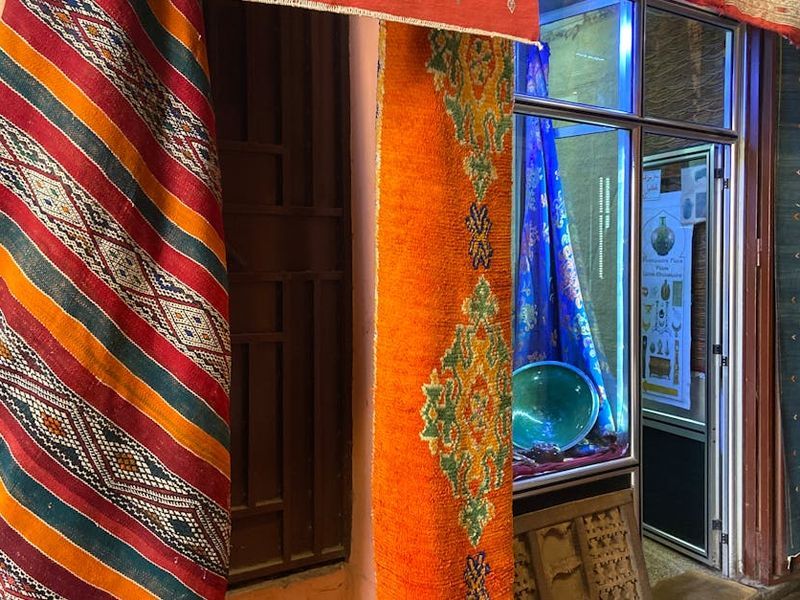
The Tomebamba River cuts a scenic path through Cuenca. Its banks have been redeveloped into pleasant promenades and small parks where locals gather to walk, exercise and chat. Along the riverside you’ll find artisan stalls, cafés with terraces and colorful neighborhoods that make excellent people-watching. Browsing the stalls is free, and it’s an ideal place to window-shop handmade textiles, jewelry and panama hats without pressure to buy.
Barrio El Barranco and San Sebastián: Colorful Neighborhood Walks
Two of Cuenca’s most photogenic neighborhoods are easy to explore on foot. Barrio El Barranco, close to the river, is known for its small craft shops and artists’ workshops — many artisans will let you look around and see how items are made. The San Sebastián area features narrow lanes, painted houses and a bohemian atmosphere. Wandering these neighborhoods is a free way to experience local life away from the busiest tourist streets.
Free Cultural and Community Events
Cuenca’s calendar is full of free or low-cost public events. Municipal concerts, outdoor film screenings, and seasonal festivals often take place in public parks and plazas. Parque Calderón and smaller plazas host live music and cultural displays—check notice boards, local Facebook groups or the municipal website for the latest schedule. If you’re flexible, you can often time your visit to coincide with free performances and public celebrations.
Tips for Finding Events
- Visit the tourist office in the historic center to ask about upcoming municipal events.
- Follow local Facebook groups or neighborhood pages for pop-up cultural activities.
- Look for posters in cafés and hostels—many events are promoted locally.
Take a Free (Tip-Based) Walking Tour
Many cities offer free walking tours where local guides work for tips. Cuenca is no exception—search online or ask at your hostel/hotel for meet-up times. These tours are an excellent way to learn about the city’s history, architecture and hidden corners while keeping costs down. Since they run on tips, you can tailor what you pay to your budget and the quality of the tour.
Museums, Galleries and Free Admission Days
While some museums in Cuenca charge admission, others are free or offer free entry on particular days or to residents. Several small contemporary galleries and community art spaces do not charge admission and welcome casual visitors. Always ask at the door whether there are free hours or discounted entry—many cultural institutions run promotions or have specific days when admission is waived.
How to Maximize Free Museum Time
- Ask museum staff about free days, resident rates and early morning hours.
- Look for university-run galleries and cultural centers that often host free exhibits.
- Plan visits around opening hours to catch free talks or guided introductions.
Attend a Religious Service or Concert
Churches in Cuenca are not only architectural landmarks but also centers of community life. Attending a mass or special religious concert is a way to hear live music and see interior decorations without an entrance fee. Many churches welcome visitors to sit quietly and observe. If you attend a service, be respectful of worshippers and photography restrictions.
Parks, Lookouts and Free Panoramic Views
Cuenca offers several public parks and viewpoints that provide great panoramas of the city and surrounding valley. One well-known spot is the hilltop viewpoint at Turi, where you can enjoy a sweeping view of Cuenca’s skyline and the Andes beyond; reaching some viewpoints may require a bus or a brisk uphill walk but the views themselves are free. Smaller neighborhood parks such as Parque de la Madre and others around the city are lovely places to relax and observe local life.
Day Trips and Nearby Trails That Won’t Cost a Cent
Not all outdoor excursions require a paid guide. There are short trails and rural walks around Cuenca where you can experience Andean landscapes, traditional farming villages and local flora. Ask at your hostel or a local café for recommended routes. Keep in mind that national parks often have entrance fees, so verify costs before you go. For gentle hikes close to town, neighborhood hills and communal paths are a free option.
Language Exchanges, Volunteer Opportunities and Community Meetups
Practicing Spanish through language exchange meetups is usually free. Look for “intercambio” nights held in cafés or community spaces—these social events are great for meeting locals and fellow travelers. Volunteering at community projects, arts centers or animal shelters can also provide meaningful cultural exchange without cost, though you should research organizations in advance to ensure they are reputable.
Free Photography Walks and Self-Guided Themes
Cuenca is a photographer’s delight. Create your own themed walks—architecture, street art, colonial doors, or river reflections—and spend a day exploring with a camera or smartphone. Sunrises and sunsets on the river bridges produce excellent light. Bring a power bank and download offline maps so you can wander confidently. If you’re traveling light, consider a photo scavenger hunt to make the walk more entertaining.
Sample No-Cost Itineraries
Here are two suggested plans for getting the most out of Cuenca without spending money.
One-Day Free Highlights
- Morning: Start at Parque Calderón, wander the cathedral area and visit nearby plazas.
- Late morning: Walk along the Tomebamba River and browse artisan stalls.
- Afternoon: Explore Barrio El Barranco and San Sebastián; stop in a park to people-watch.
- Evening: Catch a free concert or outdoor performance if available, or enjoy sunset from a riverside bridge.
Three-Day Budget Itinerary
- Day 1: Historic center architecture walk, local market for people-watching, evening municipal event.
- Day 2: Riverside and barrio exploration, pop into free galleries, attend a language-exchange meetup.
- Day 3: Short hike to a nearby viewpoint (such as the Turi hill area), finish with a photo walk at sunset.
Safety, Respect and Budget Etiquette
Cuenca is generally safe, but standard travel precautions apply. Keep an eye on personal belongings in crowded markets and on public buses. When visiting churches and neighborhoods, dress modestly and be respectful of religious services and local customs. If you take photographs of people, ask permission first—many artisans and vendors will appreciate this courtesy. Tip guides for free tours reasonably if you enjoyed the experience; tipping is part of the local economy and helps sustain these services.
Final Tips to Stretch Your Budget Further
To keep costs low while maximizing experiences: eat where locals eat (look for mercado stalls and family-run fondas), ride buses instead of taxis, refill water and carry snacks to avoid tourist prices, and prioritize free community events over paid tourist attractions. Use local Facebook groups and community noticeboards to learn about pop-up markets and free happenings during your stay.
Conclusion: Big Experiences Without Big Spending
Cuenca proves you don’t need a large budget to enjoy a culturally rich, visually stunning Andean city. With leisurely walks through the historic center, riverside promenades, neighborhood explorations, free community events, and self-guided cultural discovery, you can build a rewarding itinerary that celebrates local life and architecture — all without emptying your wallet. Pack comfortable shoes, bring an open mind, and let the city’s streets, plazas and viewpoints show you why Cuenca is a favorite for budget travelers.