
Table of Contents
Why Cuenca Is a Dream for Budget Travelers
Cuenca, Ecuador’s UNESCO-listed jewel in the southern highlands, is a city that rewards slow exploration. Its compact historic center, riverside promenades, plazas, and neighborhoods are rich in character and easy to experience without spending much — or any — money. For budget travelers, that means the best things in Cuenca often come free: architecture, people-watching, markets, festivals and views.
Plan Ahead: Practical Tips Before You Go
Cuenca sits at about 2,500 meters (8,200 feet) above sea level. Even if you’re fit, expect to take it easy the first 24–48 hours while you acclimatize. Wear comfortable shoes: the old center has cobblestones and short, steep streets. Bring a light rain jacket year-round — mountain weather changes fast. Finally, carry a refillable water bottle, sunscreen and a small daypack for market finds and layers.
Free Walking Routes — See the Best of Centro Histórico on Foot
The heart of Cuenca is wonderfully walkable. Start at Parque Calderón, the city’s central plaza, and wander the streets radiating from it. The red-tiled roofs, ornate cathedrals and balconies make for a postcard-perfect stroll. Follow the Tomebamba River downstream to see colonial houses perched above the water and small plazas tucked into riverside bends.
If you prefer structure, look for one of the several local free walking tours — led by volunteer guides or local students — that cover history, architecture and neighborhood stories. These tours often encourage tips but are a great way to get a local’s perspective without a big outlay.
Suggested Self-Guided Loop (about 2–3 hours)
- Parque Calderón: Start and people-watch.
- New Cathedral (Catedral Nueva): Walk around the plazas and admire the domes from outside.
- Walk along the Tomebamba River: South bank for historic houses and old bridges.
- El Barranco: Explore this artsy riverside neighborhood and its murals.
- San Sebastián neighborhood: Cobblestones, artisan workshops and terraces.
Plazas, Churches and Civic Spaces — Free Cultural Immersion
Many of Cuenca’s key cultural sites are free to enter, or at least free to admire from the outside. You can spend a whole day exploring plazas like Plaza San Sebastián and Parque Calderón, and still discover new architectural details. Visiting churches such as the New Cathedral and smaller neighborhood chapels is free unless you decide to climb towers or access special exhibits that charge a fee.
Attend a mass for an atmospheric way to experience local music and community — services are open to visitors and free. Some churches host free concerts or organ recitals; check bulletin boards or ask at tourist kiosks for schedules.
Markets and Food: Cheap (and Free to Browse) Local Life
Cuenca’s markets are among the city’s liveliest free attractions. Head to the central markets early in the morning to watch vendors set up and locals buying fresh produce. Browsing is free; sampling is cheap. Try street specialties like hornado (slow-roasted pork) or a fresh empanada at very low cost if you want to taste local flavors.
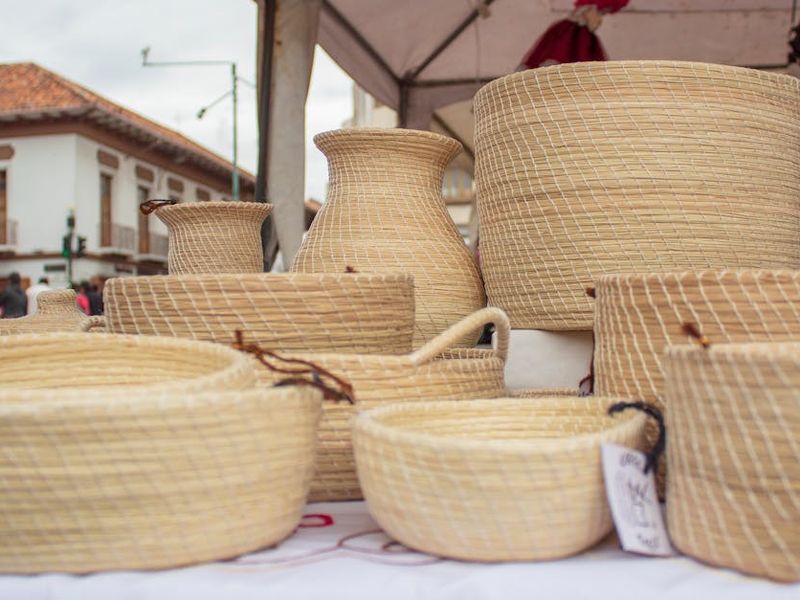
Recommended markets to explore on foot: Mercado 10 de Agosto and the artisan stalls near Parque Calderón. The artisan markets around the historic center are a great place to window-shop handwoven textiles, silverwork and the famed Panama-style hats sold locally.
Art, Galleries and Public Murals
Cuenca has a vibrant art scene with many galleries and public art installations you can enjoy for free. Walk through El Barranco and the streets facing the Tomebamba River to find colorful murals, small galleries and artisan workshops. Many galleries open their doors to visitors at no charge — it’s polite to ask before photographing or entering a private studio.
Check for rotating exhibits in municipal cultural centers; these venues often host free openings and community events.
Panoramic Views and Natural Beauty — No Admission Required
For sweeping views over the city, visit the Mirador de Turi. The viewpoint itself is free and gives a dramatic panorama of Cuenca’s valleys and red-tiled roofs. It’s easily reached by a short taxi ride or public transport if you don’t feel like the uphill walk. Sunset from Turi is especially popular, so arrive early to claim a spot.
Another pleasant, free nature walk is the lower banks of the Tomebamba. The riverside paths are lined with parks, benches and occasional food kiosks. For a tranquil escape, continue along the river toward the quieter neighborhoods away from the main tourist arteries.
Historic Ruins and Museums — Free Days and Low-Cost Options
While many museums in Cuenca charge modest entrance fees, several offer free admission days or discounted entry for students and seniors. The Banco Central’s Museo Pumapungo, for instance, sometimes has free days and expansive outdoor archaeological areas you can stroll without paying — perfect for budget travelers who time their visit accordingly.
Tip: If you’re planning to visit multiple museums, ask at each venue about combo tickets, discounted days or free hours. Municipal museums often run cultural programs and temporary exhibitions that are free to the public.
Free Events and Festivals — Experience Local Culture
Cuenca’s calendar is dotted with free cultural events: open-air concerts, parades, religious processions and public festivals. Semana Santa, Independence celebrations and occasional music festivals turn plazas into stages. Street performances and impromptu ensembles frequently appear in the city center, especially on weekends.
To find current free events, check local papers, municipal websites or the calendar at tourist information kiosks in the center. Hostels and expat notice boards are also useful for last-minute finds like language exchanges and community concerts.
Community and Volunteer Activities — Give Time, Get Local Insight
Volunteering for a half-day at a community garden, language exchange, or cultural program is a meaningful — and free — way to connect. Local NGOs and cultural centers sometimes welcome short-term helpers. Even if you don’t sign up formally, attending a free lecture, film screening or university event can be an illuminating way to learn about Cuenca’s social landscape.
Neighborhoods to Explore for Free
– El Centro Histórico: UNESCO architecture, plazas and pedestrian streets.
– San Sebastián: Narrow streets, artisan workshops and quieter plazas.
– El Barranco: Riverside views, murals and bohemian cafes.
– Calle Larga area: Pedestrian-friendly streets with window shopping and street performers.
Money-Saving Logistics: Transport, Safety and Practicalities
Getting around Cuenca is inexpensive. City buses and short taxi rides are cheap compared to many capitals, but walking covers most central sights and is the best way to discover hidden corners. Use taxis late at night or when you’re tired; arrange return rides if you head to hilltop viewpoints after dark.
Cuenca is generally safe, but like any tourist city, petty theft can happen in crowded plazas and markets. Keep your valuables secure, carry a copy of your passport, and be street-smart: don’t flash expensive gear and use a money belt or hidden pouch if you plan to carry cash.
A Sample Free Day Itinerary in Cuenca
Morning: Start at Parque Calderón for breakfast at a cheap street stall, then visit the New Cathedral plaza and wander the pedestrian lanes. Midday: Walk along the Tomebamba River, cross to El Barranco, and explore artisan shops and murals. Afternoon: Head up to Mirador de Turi for sunset photos (bring water and a sweater). Evening: Return to the center for free live music in the plaza or a cultural event announced on local posters.
Final Tips for a Frugal, Full Experience
1) Time your museum visits for free entry days. 2) Learn a few Spanish phrases — bargaining in markets is easier and friendlier. 3) Bring a reusable bag for purchases. 4) Keep an eye on local bulletin boards for pop-up concerts and free walking tours. 5) Respect local customs: dress modestly in churches and be courteous in markets and neighborhoods.
Conclusion: Cuenca’s Best Experiences Don’t Cost a Lot
Cuenca proves you don’t need a big budget to have a rich travel experience. With its compact layout, beautiful riverside walks, lively markets, public art and plazas, the city offers countless no-cost activities that reveal its history and contemporary life. Pack good walking shoes, an open mind and a sense of curiosity — that’s all you really need to enjoy Cuenca on a shoestring.
Ready to explore? Start with this guide, but leave room for wandering: in Cuenca, the best discoveries are often the unplanned ones tucked down a side street or by the riverbank.
Adam Elliot Altholtz serves as the Administrator & Patient Coordinator of the “Smilehealth Ecuador Dental Clinic“, along with his fellow Expats’ beloved ‘Dr. No Pain‘, right here in Cuenca, Ecuador, and for purposes of discussing all your Dental needs and questions, is available virtually 24/7 on all 365 days of the year, including holidays. Adam proudly responds to ALL Expat patients from at least 7:00am to 9:00pm Ecuador time, again every single day of the year (and once more even on holidays), when you write to him by email at info@smilehealthecuador.com and also by inquiry submitted on the Dental Clinic’s fully detailed website of www.smilehealthecuador.com for you to visit any time, by day or night. Plus, you can reach Adam directly by WhatsApp at +593 98 392 9606 -or by his US phone number of 1‐(941)‐227‐0114, and the Dental Clinic’s Ecuador phone number for local Expats residing in Cuenca is 07‐410‐8745. ALWAYS, you will receive your full Dental Service in English (NEVER in Spanish), per you as an Expat either living in or desiring to visit Cuenca by your Dental Vacation, plus also to enjoy all of Ecuador’s wonders that are just waiting for you to come arouse and delight your senses.