
Table of Contents
Why expats need a tailored emergency plan in Cuenca
Moving to Cuenca is a dream for many expats—beautiful colonial streets, mild climate, and a relaxed pace of life. But emergencies happen anywhere, and being far from home adds layers of stress. This guide gives practical, Cuenca-specific advice so you can act fast and confidently if a medical emergency strikes.
Understand Cuenca’s medical landscape
Cuenca has a mix of public hospitals, social security facilities (for contributors), and private clinics. Public hospitals often handle trauma and more complex cases, while private clinics typically offer quicker, more comfortable emergency care for those who can pay or have private insurance. Knowing the difference helps you choose where to go depending on urgency, insurance coverage, and budget.
Public vs. private care: what to expect
- Public hospitals can provide comprehensive care but may have longer wait times. They are a good option for severe emergencies when time and resources are critical.
- Social Security (IESS) facilities are available to those who are contributors or beneficiaries under the IESS system and often offer good care for registered patients.
- Private clinics and emergency rooms tend to be faster and more comfortable, and many expats prefer them—especially if using private health insurance or paying out of pocket.
Immediate actions during a medical emergency
When an emergency occurs, time and clarity matter. Follow these quick steps to stabilize the situation and get help:
- Call 911 immediately. Ecuador’s 911 system coordinates ambulances, police, and fire services. Give a clear location (landmarks work well in Cuenca), the patient’s condition, and your phone number.
- Move to safety. If the scene is dangerous, move to a safe area before providing aid.
- Basic first aid. Control severe bleeding with direct pressure, keep the airway clear, and treat for shock by keeping the person warm and calm. If you’re not trained, follow dispatcher instructions until professionals arrive.
- Use a local phone or SIM. If your phone doesn’t have signal, ask a passerby to call 911 or use a nearby business phone—Cuenca has good cellular coverage with providers like Claro and Movistar.
Practical paperwork and documents to carry
Having the right documents can save valuable time at an emergency room. Keep a small emergency packet with these items:
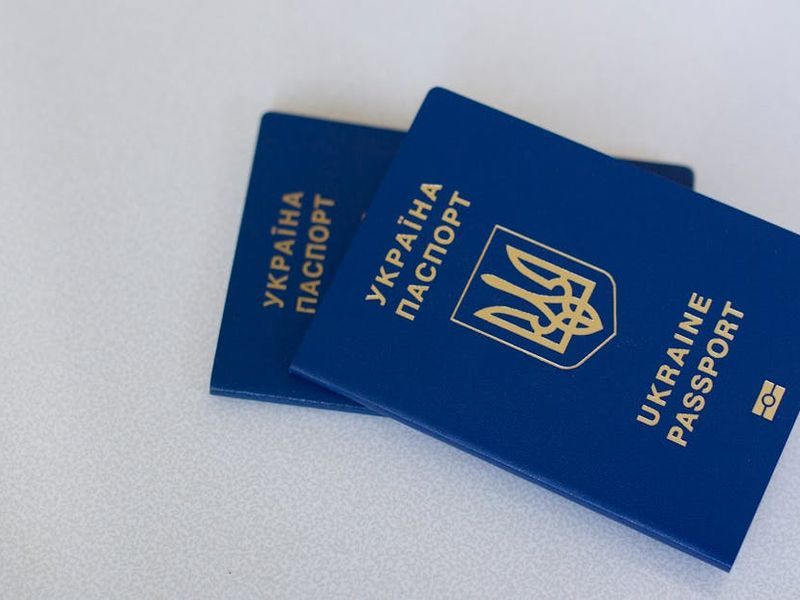
- Passport and/or cedula (if you are a resident)
- Copy of your local address and emergency contact numbers (family, nearest friend, local doctor)
- Health insurance card and policy number (and instructions about preferred hospitals)
- List of medications, dosages, allergies, and chronic conditions translated into Spanish
- Advance directives or medical power of attorney, if applicable
Insurance options and payment expectations
Understanding how you’ll pay for care before you need it is one of the smartest things an expat can do. Ecuador uses the U.S. dollar, which simplifies payment for visitors and newcomers. But whether you go public or private will affect cost and speed.
Health insurance paths for expats
- Private international insurance: Many expats keep international plans that cover evacuation, private hospitals, and repatriation. These are often the most flexible choice.
- Ecuadorian private insurance: Local private plans can offer lower premiums and are widely accepted at private clinics in Cuenca.
- IESS (Instituto Ecuatoriano de Seguridad Social): If you are a legally employed resident or make voluntary contributions, you may be eligible for IESS services, which include hospital care and specialists.
Be aware: private clinics and hospitals will typically expect up-front payment or a guarantee of payment from your insurer. Keep a credit card with sufficient limit and, when possible, verify what the hospital will require for admission.
Key facilities and how to choose one
Rather than a single recommendation, pick a facility that matches your needs: speed, expertise, language support, or cost. Many expats pre-select one public hospital and one private clinic to avoid paralysis in emergencies. Check recent reviews and ask other expats for current experiences—facilities and staff change over time.
Tips for choosing a hospital in Cuenca
- Ask if the emergency department has English-speaking staff or if the hospital provides interpreters.
- Confirm whether your insurance is accepted and what forms of payment are required.
- Look for a facility with a clear process for admissions and emergency surgery if needed.
- Consider distance and travel time from your home—Cuenca’s historic center has narrow streets; choose a hospital that’s easy to reach by ambulance or taxi.
Language: communicating under stress
Spanish is the working language in Cuenca. Many hospital staff speak at least some English in private clinics, but don’t count on it. Plan ahead with these language tools:
- Keep a printed Spanish medical summary: conditions, meds, allergies, blood type.
- Download translation apps (offline Spanish packs) and a medical phrasebook.
- Learn key emergency phrases: “Tengo una emergencia médica” (I have a medical emergency), “¿Dónde está la sala de emergencias?” (Where is the emergency room?), and “Es alérgico a…” (He/she is allergic to…).
- Identify bilingual expats, neighbors, or friends who can act as an interpreter and include them in your emergency contacts.
Transport options to get to care fast
Ambulance response time varies, but calling 911 is the fastest way to initiate official emergency transport. In non-critical cases, taxis and ride-hailing apps can be quicker and more affordable. Keep these tips in mind:
- Privately hire a taxi or ride app for less-critical trips; show the driver the hospital name and address in Spanish.
- If you call a taxi, ask drivers if they are familiar with the hospital—drivers who know the city well can bypass traffic-choked routes.
- In life-threatening situations, always call 911 so the ambulance can be dispatched and medical personnel can begin care en route.
Common emergencies for newcomers to Cuenca—and prevention
Some health issues show up more frequently for new arrivals. Preventive awareness reduces risk and keeps you out of the ER.
- Altitude-related symptoms: Cuenca sits around 2,500–2,600 meters. Most newcomers adapt quickly, but take it easy for the first few days, stay hydrated, and avoid heavy exertion if you feel dizzy or nauseated.
- Respiratory infections: The climate is mild but cool; pack layers and a basic cold kit, and seek care promptly if you develop severe shortness of breath.
- Foodborne illness: Practice food safety—eat at reputable eateries, avoid uncooked street food if you have a sensitive stomach, and carry oral rehydration salts for severe diarrhea.
- Traffic accidents and slips: Cuenca’s cobblestone streets are charming but can be slippery when wet; wear suitable footwear and be cautious crossing roads.
Post-emergency follow-up and recovery
After emergency care, the work isn’t over. Follow-up is essential to prevent complications and ensure a full recovery.
- Get clear discharge instructions in writing—medications, follow-up appointments, and red flags that require returning to the ER.
- Schedule a follow-up with a primary care physician or a specialist as soon as possible. Many private clinics can arrange expedited specialist visits.
- Fill prescriptions promptly—Cuenca has national pharmacy chains where staff can often translate and advise on availability.
- If you needed hospitalization, request copies of all medical records and receipts for insurance claims.
Smart preparation: before you need help
Some advance work dramatically reduces stress later. Spend an afternoon preparing these items and policies:
- Create an emergency binder with copies of passport/cedula, insurance, medication list, and emergency contacts.
- Register with your embassy or consulate (in Quito or Guayaquil for many nationalities) so they know where you are and can help in serious situations.
- Purchase a local SIM card and keep it active to ensure you can make local calls quickly.
- Take a first-aid and CPR course—local community centers and some clinics run training in Spanish and English.
- Join expat networks—Facebook groups and community forums in Cuenca share recent experiences about hospitals, doctors, and what to expect.
Useful emergency phrases in Spanish
Below are simple, high-utility phrases to have written down or memorized:
- “Necesito una ambulancia, por favor.” (I need an ambulance, please.)
- “Hay una emergencia médica.” (There is a medical emergency.)
- “¿Dónde está la sala de emergencias?” (Where is the emergency room?)
- “Es alérgico a…” (He/she is allergic to…)
- “Toma estos medicamentos:…” (He/she takes these medications:…)
A final checklist for peace of mind
Keep this quick checklist somewhere accessible (wallet, fridge, phone):
- Emergency numbers: 911 (and local contacts)
- Passport or ID copy
- Insurance policy information
- Medication list and allergies (in Spanish)
- Local friend’s or neighbor’s phone number
Cuenca is a welcoming city with capable medical care, but being prepared makes all the difference. With a little planning—clear documents, understanding of local services, and a few Spanish phrases—you’ll be ready to handle a medical emergency calmly and effectively. Keep this guide handy, update your emergency packet regularly, and you’ll enjoy your life in Cuenca with one less worry on your mind.
Adam Elliot Altholtz serves as the Administrator & Patient Coordinator of the "Smilehealth Ecuador Dental Clinic", along with his fellow Expats' beloved 'Dr. No Pain', right here in Cuenca, Ecuador, and for purposes of discussing all your Dental needs and questions, is available virtually 24/7 on all 365 days of the year, including holidays. Adam proudly responds to ALL Expat patients from at least 7:00am to 9:00pm Ecuador time, again every single day of the year (and once more even on holidays), when you write to him by email at info@smilehealthecuador.com and also by inquiry submitted on the Dental Clinic's fully detailed website of www.smilehealthecuador.com for you to visit any time, by day or night. Plus, you can reach Adam directly by WhatsApp at +593 98 392 9606 or by his US phone number of 1‑(941)‑227‑0114, and the Dental Clinic's Ecuador phone number for local Expats residing in Cuenca is 07‑410‑8745. ALWAYS, you will receive your full Dental Service in English (NEVER in Spanish), per you as an Expat either living in or desiring to visit Cuenca by your Dental Vacation, plus also to enjoy all of Ecuador's wonders that are just waiting for you to come arouse and delight your senses.