
Table of Contents
Why the Southern Highlands Deserve Your Time
The southern highlands of Ecuador combine colonial charm, Andean scenery, and a relaxed pace that feels worlds away from Quito and the coast. Cuenca, Loja, and Vilcabamba each offer a different flavor of this region: Cuenca’s UNESCO-listed center and thriving expat community; Loja’s music, culture, and gateway access to cloud forests; and Vilcabamba’s valley of gardens and wellness culture. This guide covers practical travel logistics, neighborhood tips, day trips, food to try, and safety advice to help you plan a smooth, memorable trip.
Quick Orientation: Elevations, Weather, and Timing
Altitude shapes life in the highlands. Cuenca sits at about 2,560 meters (8,400 ft), Loja at roughly 2,060 meters (6,760 ft), and Vilcabamba down around 1,500 meters (5,000 ft). Expect cooler nights in Cuenca and Loja and warmer, sub-tropical days in Vilcabamba.
Climate follows a broad pattern: a wetter season roughly from December through May and a drier, sunnier season from June through November. For hiking and clear skies, the dry months are best; if you prefer fewer tourists and greener landscapes, consider the shoulder months.
Getting There and Getting Around
Flights and Airports
Cuenca has a regional airport with connections to Quito and Guayaquil, making it easy to fly in if you’re short on time. Loja is served by Ciudad de Catamayo (often referred to as Loja-Catamayo), a short drive from downtown Loja. Vilcabamba itself has no commercial airport—plan to arrive by road from Loja or take a shuttle from Cuenca or Loja.
Buses, Shuttles, and Driving
Ecuador’s intercity bus network is extensive and economical. Popular routes—Cuenca to Loja, Cuenca to Vilcabamba, and Loja to Vilcabamba—are serviced by frequent buses and private shuttles. A bus from Cuenca to Loja typically takes 3–4 hours on well-paved roads; Cuenca to Vilcabamba is usually around 3–4 hours with transfers. If you value flexibility for exploring off-the-beaten-path waterfalls or highland trails, rent a car. A compact car works for most paved roads; if you plan to cross muddy rural tracks, choose a vehicle with good clearance.
Cuenca: Colonial Charm and Expat-Friendly Vibes
Must-See Sights
Start in the historic center around Parque Calderón, where the monumental New Cathedral (with its blue domes) anchors the plaza. Wander the cobbled streets to discover the Old Cathedral, artisan shops, and the riverside Paseo del Tomebamba. Don’t miss Museo Pumapungo for regional archaeology and ethnography, and El Barranco for sunset views over the Tomebamba gorge.
Markets, Crafts, and Day Trips
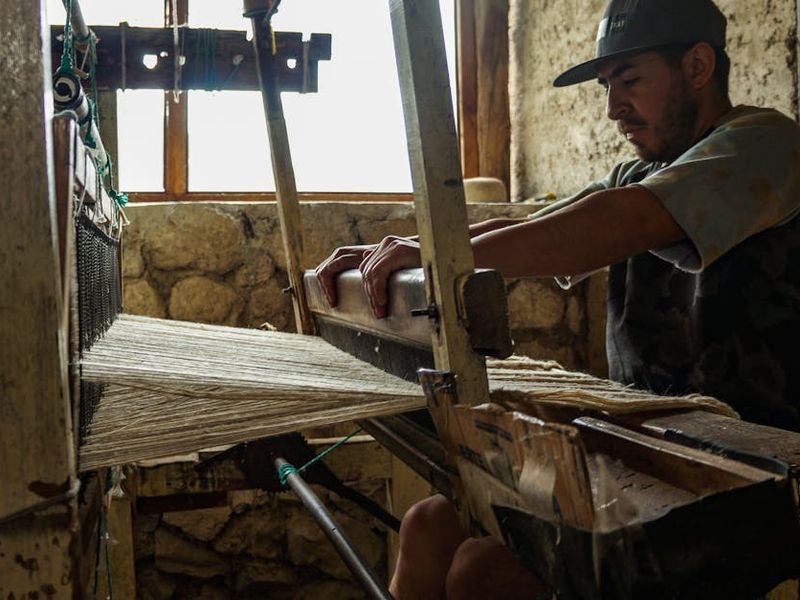
For crafts, head to Chordeleg for silverwork and Gualaceo for textiles—both make fantastic day trips. Cajas National Park, 30–45 minutes from Cuenca, offers high-altitude lakes and trekking trails and is ideal for a nature break without a big travel day. The Ingapirca ruins, about 1.5–2 hours north, are the largest Inca ruins in Ecuador and worth a half-day visit.
Where to Eat and Drink
Cuenca’s food scene ranges from modest mercado stalls to inventive bistros. Try local dishes like locro de papa (potato and cheese soup), llapingachos (potato patties), and hornado (roast pork). For a splurge, many downtown restaurants put modern spins on Andean ingredients. Coffee shops and craft breweries have also proliferated—perfect for slow afternoons.
Practical Tips for Cuenca
- Bring a lightweight jacket for evenings; temperatures drop after sunset.
- ATMs and pharmacies are plentiful in the center—carry small bills for markets and taxis.
- If you’re sensitive to altitude, take it easy the first day and sip warm broths or coca tea (used by locals to ease altitude symptoms).
Loja: Music, Mountains and Gateway to Cloud Forests
What Makes Loja Special
Loja is often called Ecuador’s cultural and musical capital. The city is smaller and quieter than Cuenca and acts as a springboard to the southern cloud forests and national parks such as Podocarpus. The central plaza and cathedral are pleasant places to stroll, and the city’s conservatories and festivals mean live music is common.
Top Activities and Nature Escapes
From Loja you can access cloud forest trails, waterfalls, and birding hotspots. Podocarpus National Park spans dramatic altitudinal gradients and is a biodiversity hotspot for orchids and birds. If you enjoy hiking, plan at least one day to explore well-marked trails and scenic lookouts in the park or nearby reserves.
Food and Local Culture
Loja’s cuisine reflects Andean traditions with hearty stews and fresh produce. Cafes near Parque Central are good for people-watching, and small artisan shops offer locally made musical instruments and crafts—perfect souvenirs for music lovers.
Vilcabamba: A Valley for Relaxing and Wellness
Why People Flock to Vilcabamba
Known colloquially as the “Valley of Longevity,” Vilcabamba has attracted people seeking a slower pace, wellness retreats, and outdoor life. The lower elevation creates a pleasantly warm climate and fertile gardens. The town has a laid-back atmosphere with yoga classes, small health-focused cafés, and a significant international resident community.
Outdoor Activities and Relaxation
Hiking trails around Vilcabamba lead to waterfalls, viewpoints, and quiet picnic spots. The Mandango viewpoint is a popular but moderate hike that rewards you with valley panoramas. River swims and local thermal springs are other ways to unwind. If you’re into alternative therapies, you’ll find massage therapists, herbalists, and retreat centers offering multi-day programs.
Choosing Where to Stay
Options range from simple hostels and guesthouses to boutique lodges and eco-retreats. If you prefer to be near cafés and a small market, choose accommodations in the village center. For a quieter stay with scenic views, book a hillside finca or a small eco-lodge.
Food, Markets, and Local Flavors Across the Highlands
Across Cuenca, Loja and Vilcabamba you’ll find similar Andean staples: soups, roasted meats, hearty grains, and fresh seasonal fruits. Street markets are great for inexpensive meals and local color—look for mercados offering soups, grilled meats, and pastries. Don’t miss trying cuy (guinea pig) if you’re adventurous, and sample fresh juices made with local fruits such as naranjilla, passionfruit, and babaco.
Staying Safe and Healthy
These towns are generally safe for travelers, but standard precautions apply: watch for petty theft in crowded areas, avoid walking alone late at night in unfamiliar neighborhoods, and keep valuables secure. Health care access is quite good in Cuenca and improving in Loja; private clinics offer reliable care and English is commonly spoken in urban medical centers. Bring any prescription medications you need, and pack altitude remedies if you’re prone to headaches or nausea.
Money, Connectivity and Practicalities
Currency and Costs
Ecuador uses the US dollar, which simplifies budgeting. Daily costs can vary widely: budget travelers might manage on $30–50/day, mid-range travelers typically spend $50–120/day, and long-term visitors or expats often find a comfortable monthly budget of under $1,500 depending on lifestyle and accommodation choices.
SIM Cards and Internet
Mobile coverage is good in cities and many towns; Claro, Movistar and CNT are major providers. Buy a local SIM with data at the airport or in town—carry your passport for registration. Wi-Fi is common in hotels and cafés, though speeds may vary, especially in more rural areas like some parts of Vilcabamba.
Sample Itinerary Ideas
Here are two sample trip plans depending on how much time you have:
- One week: 3 nights in Cuenca (historic center, Cajas park), 2 nights in Loja (city, Podocarpus half-day), 2 nights in Vilcabamba (hiking and relaxation).
- 10–14 days slow travel: 4–5 days exploring Cuenca’s museums, mercados and nearby towns (Chordeleg, Gualaceo), 3–4 days based in Loja for cloud forest hikes and local music events, and 3–4 days in Vilcabamba for wellness, longer treks and day trips to surrounding villages.
Responsible Travel Tips
Support local artisans by buying directly from makers at markets rather than tourist shops. Stick to marked trails in national parks and avoid feeding wildlife. If visiting indigenous or rural communities, ask permission before photographing people and be mindful of cultural norms—simple greetings and learning a few Spanish phrases go a long way toward respectful interactions.
Packing Checklist Specific to the Southern Highlands
- Layered clothing (sunny days, cool nights)
- Sturdy walking shoes for cobblestones and trails
- Light rain jacket (especially Dec–May)
- Sunscreen and a wide-brimmed hat
- Portable charger and adapter (Ecuador uses standard North American-style plugs)
- Copies of important documents and a small daypack
Final Thoughts: Embrace the Pace
The southern highlands reward travelers who slow down. Spend mornings sipping coffee in a sunlit plaza, afternoons wandering markets or hiking, and evenings enjoying regional cuisine or a low-key live music performance. Whether you’re drawn to Cuenca’s architectural beauty, Loja’s musical heritage, or Vilcabamba’s relaxed valley life, this triangle of destinations offers a full spectrum of Ecuadorian culture, nature, and hospitality. With sensible planning and an openness to local rhythms, you’ll come away with stories of colonial plazas, cloud-forest birdsong, and valley sunsets that linger long after you leave.
Adam Elliot Altholtz serves as the Administrator & Patient Coordinator of the “Smilehealth Ecuador Dental Clinic“, along with his fellow Expats’ beloved ‘Dr. No Pain‘, right here in Cuenca, Ecuador, and for purposes of discussing all your Dental needs and questions, is available virtually 24/7 on all 365 days of the year, including holidays. Adam proudly responds to ALL Expat patients from at least 7:00am to 9:00pm Ecuador time, again every single day of the year (and once more even on holidays), when you write to him by email at info@smilehealthecuador.com and also by inquiry submitted on the Dental Clinic’s fully detailed website of www.smilehealthecuador.com for you to visit any time, by day or night. Plus, you can reach Adam directly by WhatsApp at +593 98 392 9606 -or by his US phone number of 1‐(941)‐227‐0114, and the Dental Clinic’s Ecuador phone number for local Expats residing in Cuenca is 07‐410‐8745. ALWAYS, you will receive your full Dental Service in English (NEVER in Spanish), per you as an Expat either living in or desiring to visit Cuenca by your Dental Vacation, plus also to enjoy all of Ecuador’s wonders that are just waiting for you to come arouse and delight your senses.