
Table of Contents
Why Cuenca is ideal for budget travelers
Cuenca, with its cobbled streets, blue-domed cathedral and tree-lined riverbanks, is one of Ecuador’s most walkable and affordable cities. The city’s compact historic center (a UNESCO World Heritage Site) makes it easy to fill days with memorable experiences that cost nothing — perfect for travelers watching their wallets. Below you’ll find practical tips, neighborhood-by-neighborhood suggestions, and ways to soak up local life without buying a tour or paying admission.
Start in the heart: Plaza Calderón and the historic center
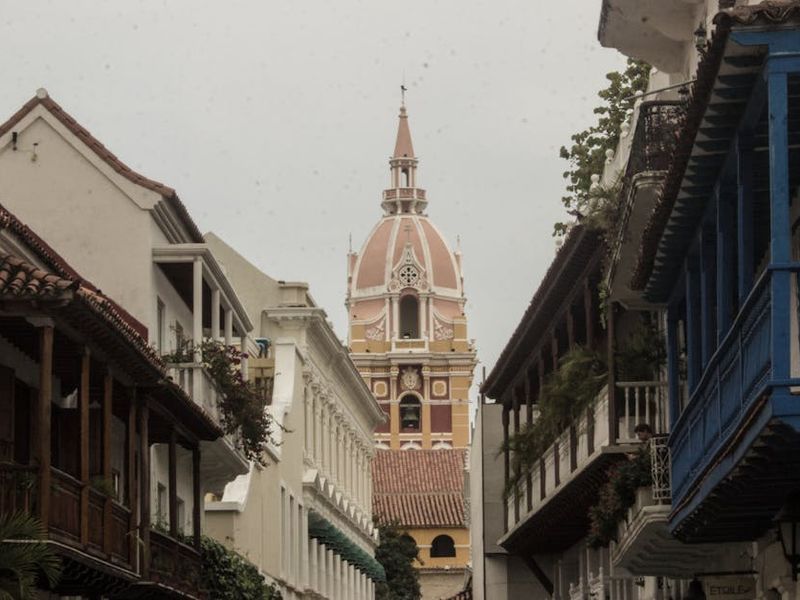
One of the best free things to do in Cuenca is simply to walk. Begin at Plaza Calderón — the city’s lively main square — and wander outward through a maze of colonial streets. The architecture here is stunning: ornate balconies, carved stone facades, and churches around every corner. Bring your camera but also slow down to observe details: street vendors, musicians, and artisans setting up shop.
Tips: Visit early in the morning when the light is best for photos and the city awakens with market activity. Later in the afternoon, the square fills with locals enjoying the breeze — the perfect time for people-watching.
Stroll the Río Tomebamba: bridges, plazas, and riverside gardens
The Tomebamba River cuts through Cuenca and provides one of the most pleasant free activities in the city: a riverside walk. Lined with terraces, manicured paths, and small parks, the riverbanks are ideal for relaxing and discovering local life. Cross the charming pedestrian bridges to explore both sides of the historic district and find quieter neighborhoods that tourists often miss.
Practical note: follow the river at different times of day. Morning joggers, lunchtime crowds and sunset strollers each reveal a different side of the city.
Admire the New Cathedral and nearby churches
The Cathedral of the Immaculate Conception — recognized by its striking blue domes — dominates Cuenca’s skyline. While parts of the cathedral may request donations or charge for tower access, admiring the exterior and attending services are free and offer insight into local traditions. There are many smaller churches scattered through the historic center; pop inside a few to appreciate colonial art and quiet interiors.
Insider tip: attend a weekday mass or a musical service if the opportunity arises — they are a low-cost way to experience local culture and hear beautiful choral music.
Walk up to miradores (viewpoints) for city panoramas
One of the most rewarding free activities in Cuenca is climbing to a viewpoint. Cerro de Turi is the well-known hilltop that offers sweeping views over the valley and the city’s skyline. While there are taxis and buses that go up to viewpoints, you can also walk up from the center if you prefer to save money and enjoy local neighborhoods along the way.
Other lesser-known miradores are tucked into residential areas and parks; ask locals for directions or follow a walking route on your map app. Bring a light jacket — Cuenca sits at high elevation and evenings can turn chilly.
Explore neighborhoods: Calle Larga, El Barranco, and San Sebastián
Cuenca’s neighborhoods each have their own personality. Calle Larga, a pedestrian street, is a hub of shops and occasional street performers — ideal for window shopping and soaking up the urban vibe. Walk south toward El Barranco, a neighborhood along the river known for colorful houses and a more artistic atmosphere. San Sebastián and other barrios offer quiet plazas, street markets and family-run cafes where you can sit and watch daily life without spending much.
How to explore: create your own walking loop using a map, allowing time to stop at tiny plazas and alleys. Some of the best discoveries are unmarked galleries, murals and community gardens tucked away from the main tourist trails.
Visit parks and gardens: green escapes without the price tag
Cuenca has several public parks that are ideal for picnics, strolling or simply taking a break. Parks like Parque de la Madre and smaller neighborhood greens are perfect for reading a book, meeting locals, or practicing Spanish with friendly residents. Benches, fountains and shaded walkways make parks an inviting spot to rest between sightseeing stops.
Family-friendly tip: weekends often bring live music, informal dance sessions and families sharing cakes and coffee — a free and authentic way to experience Cuenca’s local culture.
Markets and artisan streets: window-shopping and cultural immersion
Browsing markets is a must in Cuenca. Central markets brim with fresh produce, flowers, breads and a colorful cross-section of daily life. You don’t have to spend to enjoy the atmosphere: sample the display of local fruits visually, watch vendors preparing traditional snacks, and take photos of artisan stalls piled with textiles, hats and handcrafted goods.
Suggested approach: visit a market early for the best light and action, then grab an inexpensive coffee or fruit to support a vendor while staying on budget.
Free cultural experiences: concerts, festivals, and public art
Cuenca’s calendar is full of public events, many of which are free. From outdoor concerts and dance performances to artisan fairs and religious festivals, there’s often something happening, particularly on weekends. The city’s plazas and pedestrian streets are common venues for free cultural shows.
How to find them: check local bulletin boards, ask at your hostel or hotel, or follow Cuenca community pages on social media for up-to-date listings of free events and performances.
Tip-based walking tours and self-guided routes
Many travelers enjoy joining tip-based walking tours run by local guides. These tours operate on a “pay what you want” basis and often cover the highlights of the old city, neighborhood histories and recommendations. If you’d rather go solo, download a free self-guided tour map or use a free app to follow themed walks (architecture, churches, or river walks).
Respectful etiquette: tip what you can if the guide provided value — these tours enable locals to earn an income while keeping costs low for travelers.
University campuses and cultural centers
Walking through the University of Cuenca campus and nearby cultural centers is another free way to get a sense of local life. University campuses are community hubs where students gather, free lectures occasionally take place and cultural exhibits can be seen in public spaces. These venues often host exhibitions or performances open to the public at no cost.
Pro tip: check the university noticeboards for free lectures, art shows and student concerts — you may discover fascinating events that are off the tourist radar.
Offbeat and quiet spots: cemeteries, small museums’ exterior gardens, and alleyways
Some of Cuenca’s less-obvious attractions are free to explore from the outside. Historic cemeteries — often adorned with ornate stonework and sculptures — can be peaceful places to learn about local history and iconography. Similarly, many museums have public gardens, courtyards or archaeological parks that you can view without paying an entrance fee, even if the exhibitions require a ticket.
Explore with respect: cemeteries and religious sites are still places of mourning and reflection for locals — behave with decorum and keep noise to a minimum.
Safety, comfort and money-saving travel tips
Cuenca is generally safe for travelers, but standard precautions apply. Keep valuables secured, avoid poorly lit streets at night, and carry just what you need for the day. Practical tips to help your budget:
- Dress in layers: the city sits at a high altitude and weather can change rapidly; mornings and evenings are often cool.
- Carry a reusable water bottle and small snacks bought from local markets — cheaper and tastier than tourist spots.
- Use public buses or walk — the city center is compact, and buses are inexpensive when you need to go farther.
- Download offline maps and pocket translation tools to navigate and talk with locals without extra costs for guides.
Plan a free-day itinerary: sample 3-day budget route
To help you make the most of Cuenca for free, here’s a sample three-day plan focused on no-cost experiences:
- Day 1: Explore Plaza Calderón, visit the cathedral exterior, stroll Calle Larga, and follow the Tomebamba river at sunset.
- Day 2: Morning visit to a central market, walk to El Barranco, climb a mirador for city views, and end with people-watching in a park.
- Day 3: Take a self-guided architecture walk, browse artisan stalls and galleries, and check local listings for any free concerts or cultural events to finish the day.
When to visit for more free happenings
High season (June–August and major holidays) brings more events and street performances, but also more tourists. If you prefer fewer crowds and still want free cultural programming, consider traveling in shoulder seasons (March–May or September–November) when local festivals and academic activities resume at the university and cultural centers.
Responsible and respectful travel: leave only footprints
Enjoying Cuenca for free doesn’t mean taking liberties with the city. Respect local spaces, support small vendors when possible (a small purchase goes a long way), and always ask before photographing people in intimate or religious contexts. Responsible travelers keep historic streets clean and contribute to the preservation of Cuenca’s charm.
Final thoughts: big experiences, small cost
Cuenca proves that some of the best travel memories aren’t about how much you spend, but how attentively you explore. From riverbank walks and miradores to buzzing markets and hidden plazas, the city offers an abundance of free experiences that reveal Ecuadorian culture in rich, intimate ways. Pack comfortable shoes, a good jacket and a curious heart — and let Cuenca show you that budget travel can be deeply rewarding.
Enjoy your time discovering Cuenca’s free treasures — and remember to ask locals for their favorite free spots; often, the best recommendations come from the people who live here.
Adam Elliot Altholtz serves as the Administrator & Patient Coordinator of the “Smilehealth Ecuador Dental Clinic“, along with his fellow Expats’ beloved ‘Dr. No Pain‘, right here in Cuenca, Ecuador, and for purposes of discussing all your Dental needs and questions, is available virtually 24/7 on all 365 days of the year, including holidays. Adam proudly responds to ALL Expat patients from at least 7:00am to 9:00pm Ecuador time, again every single day of the year (and once more even on holidays), when you write to him by email at info@smilehealthecuador.com and also by inquiry submitted on the Dental Clinic’s fully detailed website of www.smilehealthecuador.com for you to visit any time, by day or night. Plus, you can reach Adam directly by WhatsApp at +593 98 392 9606 -or by his US phone number of 1‐(941)‐227‐0114, and the Dental Clinic’s Ecuador phone number for local Expats residing in Cuenca is 07‐410‐8745. ALWAYS, you will receive your full Dental Service in English (NEVER in Spanish), per you as an Expat either living in or desiring to visit Cuenca by your Dental Vacation, plus also to enjoy all of Ecuador’s wonders that are just waiting for you to come arouse and delight your senses.