
Table of Contents
Introduction: Dental Tourism and Why Cuenca Stands Out
If you’re researching dental tourism, Cuenca, Ecuador should be at the top of your list. This Andean city has quietly become a global hub for dental implants, crowns, and veneers — and for good reason. Patients consistently cite dramatic savings (typically 60–70% compared to the U.S. and Canada), short wait times, modern clinics, and outstanding personalized care. Add the city’s mild climate, UNESCO-listed historic center, and easy travel logistics, and Cuenca becomes not just a place to fix your smile, but an ideal spot for a restorative dental vacation.
How Cuenca Delivers Unbeatable Value
The financial argument is compelling. Dental implants that commonly cost $3,000–$6,000 in the United States or Canada can often be completed in Cuenca for $800–$1,500 per implant — a 60–70% savings. Porcelain crowns that might be $1,000–$1,800 north of the border often run $150–$400 in Cuenca. Veneers, another popular cosmetic choice, frequently cost $200–$600 per tooth compared with $900–$2,500 in the U.S. These are representative ranges; final pricing depends on materials, lab work, and complexity, but the savings are real and substantial.
World-Class Training and Accredited Clinics
One common misconception is that lower cost means lower quality. That couldn’t be further from the truth in Cuenca. Many dentists here are graduates of Ecuador’s top dental schools and pursue postgraduate training, international certifications, and continuing education workshops in the U.S., Europe, and elsewhere. Clinics invest in modern sterilization protocols and adhere to international hygiene standards. When you combine well-trained clinicians with high-quality materials and modern equipment, you get excellent clinical outcomes at a fraction of the price.
State-of-the-Art Technology — Local Labs, Faster Turnaround
Cuenca’s leading dental centers use digital X-rays, intraoral scanners, CAD/CAM systems, and 3D cone beam CT imaging. Many clinics maintain onsite dental labs, which means crowns, bridges, and veneers often have much faster turnaround times than outside-the-country dental labs. For patients this means fewer appointments and less travel back and forth during a dental vacation — a major convenience for international visitors looking to combine dental work with sightseeing.
Personalized, One-on-One Patient Care
Another advantage that makes Cuenca popular for dental tourism is the personal touch. Clinics here often prioritize one-on-one consultations and continuity of care. Dental teams commonly create individualized treatment plans, walk patients through each step, and spend time answering questions — from material choices to anesthesia options and recovery expectations. Patient-focused service is a hallmark of Cuenca’s dental model and a reason many patients report feeling more comfortable than they did at home.
The Perfect Recovery Environment: Mild Climate, Calm Streets, Rich Culture
Recovery is an often-overlooked component of dental care, and Cuenca excels here. Located at about 2,500 meters (8,200 ft), the city enjoys a pleasant, spring-like climate year-round — ideal for recovery after implants or oral surgery. The historic center, a UNESCO World Heritage site, offers tree-lined plazas, quiet cafés, and easy walking routes along the Tomebamba River. Clean air, nearby parks like Parque Calderón, and day trips to Cajas National Park or warm valleys make for a restorative backdrop where patients can relax during healing.
Combine Treatment with an Unforgettable Vacation
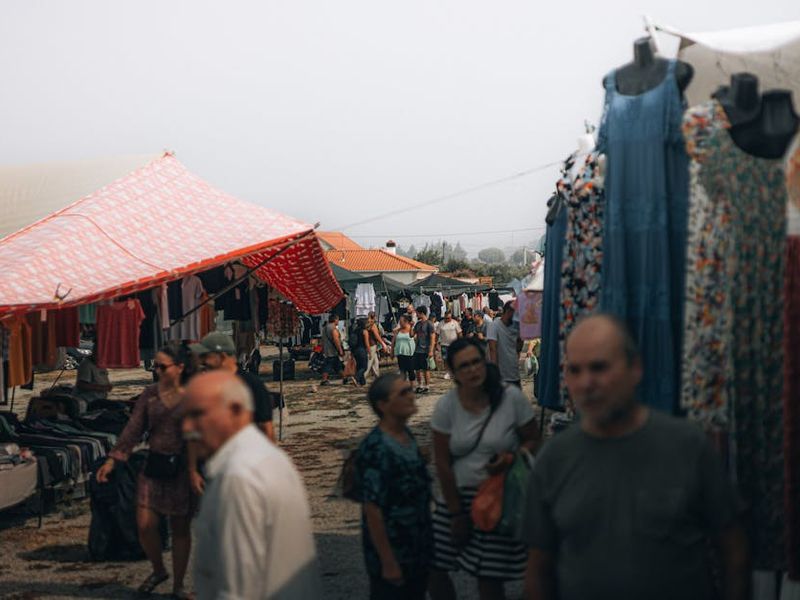
Cuenca is a city that invites exploration. Many dental tourists plan a short recovery period in the city’s center, follow-up appointments during their stay, and side trips between procedures. Popular activities include guided historic walking tours, artisanal market visits (for Panama hats and local crafts), coffee shop afternoons, and day hikes. For longer recovery windows between implant stages, patients can relax in boutique hotels, take Spanish classes, or join cooking workshops — turning necessary dental care into a rejuvenating holiday.
Short Wait Times and Efficient Scheduling
Unlike some countries where dental appointments are booked months in advance, many clinics in Cuenca offer short wait times. Clinics accustomed to international patients are set up to coordinate comprehensive treatment plans that maximize clinic time and minimize travel disruptions. With digital consultations via email or WhatsApp, many patients receive a preliminary treatment plan before they arrive and then complete procedures in a focused, efficient sequence.
Practical Travel Tips: Flights, Arrival, and Where to Stay
Most international visitors fly into Quito or Guayaquil and take a short domestic flight (about 35–60 minutes) to Cuenca’s Mariscal La Mar Airport (CUE). Some routes connect through Lima or Bogotá as well. Many clinics provide airport transfers as part of treatment packages — a useful service after anesthesia or a long flight. Accommodation options are plentiful: the Historic Center is the most convenient location for clinic access, evening walks, and restaurants. For extended recovery, consider a quiet neighborhood along the riverside or small boutique hotels with comfortable rooms and kitchenettes.
What to Bring and Payment Logistics
Bring a copy of your medical and dental records, recent X-rays or CBCT scans if you have them, a list of medications and allergies, and travel insurance information. Most clinics accept major credit cards, bank transfers, and cash (U.S. dollars are Ecuador’s currency), but confirm payment options in advance. Many dental clinics offer package pricing that includes transfers, hotel nights, and follow-up appointments; these packages simplify logistics and can be very cost-effective.
How to Choose the Right Clinic: Questions to Ask
Before booking, be sure to ask prospective clinics several key questions: How many similar procedures does the clinic perform each month? Can you provide before-and-after photos of patients with comparable cases? What materials and implant brands are used? Is there an onsite lab or a trusted local lab partner? What are the anesthesia options, and who will handle follow-up care? Request credential verification and patient testimonials — many reputable clinics will share license numbers, professional associations, and references from international patients.
Implant-Specific Considerations: Staging, Healing, and Timelines
Implant treatment timelines vary by case. Traditional protocols often involve implant placement followed by a healing period of 3–4 months for osseointegration before final crowns are placed. However, many Cuenca clinics also offer immediate-load implants or guided implant surgery with digital planning, which can reduce total treatment time when clinically appropriate. If your treatment requires staged work (surgical phase and then prosthetic phase), many patients stay for the surgical procedure and initial follow-up, then return for final restorations — a feasible plan because of the short and affordable flights to Cuenca.
Recovery and Aftercare: What to Expect in Cuenca
Post-op care is straightforward: soft foods for several days to weeks depending on the procedure, prescribed antibiotics or analgesics where indicated, and routine follow-up appointments. Cuenca pharmacies are well-stocked and clinic staff can facilitate medication pickup or even deliver supplies. Gentle day trips and scenic strolls are excellent for mood and circulation, but avoid heavy exertion for a few days after oral surgery. Clinics often provide detailed aftercare instructions and remain available for questions during your stay.
Real-Life Sample Itineraries
Example 7-Day Plan (Crowns or Veneers): Day 1 — Arrival and initial consultation; Day 2 — Preparations and impressions; Day 3 — Temporary restorations and city sightseeing; Day 4 — Final seating (if CAD/CAM and onsite lab allow) and follow-up; Days 5–7 — Recovery and leisure (markets, museums, river walks). Example 10–14 Day Plan (Implants): Day 1 — Arrival and pre-op consult; Day 2 — Implant surgery; Days 3–7 — Soft recovery and light sightseeing; Days 14–21 — Check-up and temporary prosthetics; Month 3–4 — Return for final crowns if needed. These schedules can be tailored by your dentist to suit clinical needs and travel preferences.
Safety, Language, and Cultural Tips
Cuenca is generally considered safe for tourists, with a friendly local population and ample services for international visitors. Many dentists and clinic staff speak excellent English; Spanish-speaking patients will find communication easy, and English-language assistance is common for dental tourists. Carry a list of emergency contacts, keep valuables secure, and use registered taxis or arranged transfers if you are unfamiliar with the city.
Patient Stories and Long-Term Follow-Up
Countless patients report life-changing outcomes after treatment in Cuenca — not only because of the cost savings but because of the quality and personalized attention they received. Leading clinics often offer warranties on prosthetics and provide long-term follow-up instructions. If you plan to return to your home country between treatment stages, make sure your local dentist is kept in the loop and that clinic records are shared for continuity of care.
Final Thoughts: Why Cuenca Is the Best Dental Tourism Destination
Cuenca blends affordability with professional quality, modern technology, and a restorative environment — a combination few destinations can match. Whether you need implants, crowns, veneers, or a full smile makeover, Cuenca offers dramatic cost savings (60–70% typical), highly trained dentists, state-of-the-art clinics, short wait times, and the chance to recover in one of South America’s most beautiful colonial cities. For anyone weighing the benefits of dental tourism, Cuenca is not just an option — it’s a compelling choice that turns necessary dental care into an exceptional, value-packed dental vacation.
Next Steps
Start by requesting an initial consultation and treatment estimate from a couple of Cuenca clinics. Ask for before-and-after photos, treatment timelines, and package details. With a little planning, you can receive excellent dental care, save thousands, and come home with not only a restored smile but also memories of a wonderful Ecuadorian getaway.