
Table of Contents
Why Cuenca Is Becoming the World’s Favorite Destination for Dental Tourism
For retirees seeking high-quality dental work without the astronomical price tags at home, Cuenca, Ecuador has emerged as a top choice. Imagine receiving implants, crowns, or veneers for a fraction of U.S. or Canadian costs while recovering in a UNESCO-listed colonial city with spring-like weather, friendly bilingual staff, and modern clinics. That combination—affordable, excellent dentistry plus an ideal recovery environment—is why dental tourism in Cuenca has taken off.
Massive Cost Savings Without Sacrificing Quality
One of the single most compelling reasons retirees choose Cuenca is the dramatic cost advantage. On average, many dental procedures in Cuenca run 60–70% less than equivalent treatment in the United States or Canada. That kind of saving turns a daunting dental bill into an attainable investment in your health and smile.
For example, the full cost of a dental implant plus crown in North America can range widely but often reaches several thousand dollars. In Cuenca, similarly high-quality implants and restorations typically cost a fraction of that price—allowing retirees on a fixed income to afford care without giving up quality materials or expertise.
World-Class Dentists Trained at Top Institutions
Cuenca’s dental community includes clinicians who trained at leading universities in Ecuador and abroad and who frequently pursue continuing education in implantology, prosthodontics, and cosmetic dentistry. Many dentists participate in international conferences and certifications, bringing modern techniques and global standards to their local clinics.
What retirees appreciate is the personalized attention from experienced practitioners who often speak English and who take the time to explain options, materials, and timelines in clear terms—something that’s key when planning significant restorative work like implants or full-mouth crowns.
Modern Clinics, Cutting-Edge Technology
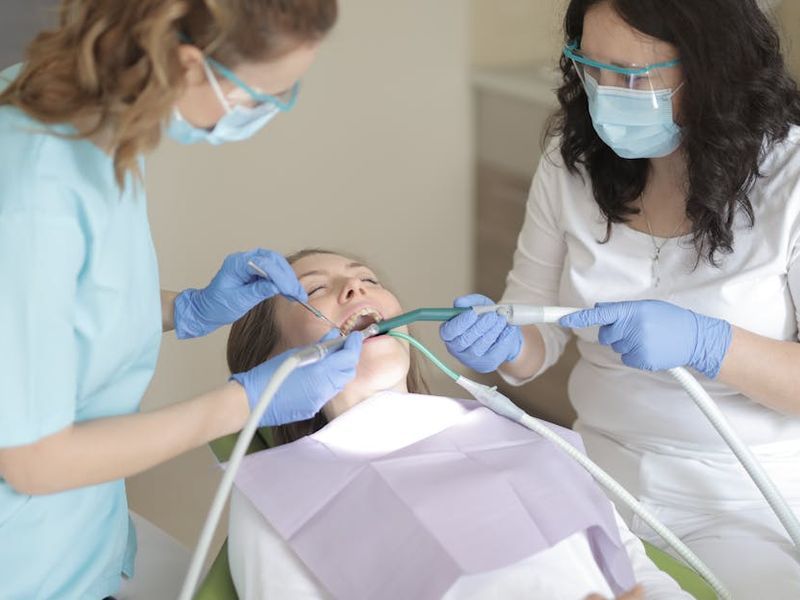
Far from being a makeshift operation, many dental clinics in Cuenca are equipped with digital panoramic X-rays, CBCT imaging, sterilization facilities that meet international protocols, and CAD/CAM systems for same-day crowns and precision-fitted restorations. Clinics often use internationally recognized implant systems and high-quality materials such as zirconia, ensuring longevity and aesthetics comparable to what you’d get in major U.S. cities.
For retirees, that means access to immediate-loading implant options, precise surgical planning with 3D imaging, and efficient workflows—translating to fewer visits and smoother recoveries.
The Ideal Recovery Environment: Cuenca’s Climate and Lifestyle
Recovery matters. Cuenca’s moderate, spring-like climate at roughly 2,560 meters (about 8,400 feet) makes it easier to rest and heal than extreme climates. The city’s compact historic center, riverwalks, lush parks, and calm neighborhoods provide a tranquil setting for post-procedure downtime. Retirees can enjoy leisurely walks along the Tomebamba River, relaxed meals in peaceful plazas, and the comfort of clean, comfortable accommodations minutes from many clinics.
Because Cuenca is known as a retiree-friendly city, the local services—from pharmacies to bilingual health professionals—are well attuned to older adults’ needs. Pharmacies are plentiful and medications are generally affordable, making aftercare simple and stress-free.
Combine Dental Care with a Mini-Vacation: The Dental Vacation Advantage
One of the most attractive aspects of Cuenca is that dental care doubles as a vacation. After a procedure, retirees can enjoy gentle cultural activities that support recovery: sipping coffee in Plaza Calderón, visiting the Museo Pumapungo, browsing artisanal markets, or relaxing in a small local café. For those with longer recoveries, day trips to nearby attractions—scenic drives into the Andes, birdwatching, or visiting indigenous markets—provide restorative experiences without strenuous exertion.
Clinics understand this travel-and-treatment dynamic and often help coordinate appointments with recommended nearby hotels and short-term rentals, making the whole trip smooth and enjoyable.
Short Wait Times and Flexible Scheduling
Unlike some countries where international dental clinics book months in advance, Cuenca clinics typically offer much shorter wait times. This is especially valuable for retirees who want to address urgent dental needs or who prefer not to wait for months for an appointment. Many clinics can arrange consultations within days and schedule major procedures within a few weeks—perfect for planning a dental vacation.
For retirees who require staged treatment (such as implant placement followed by a crown after healing), clinics provide clear timelines so you can plan your trip length or multiple short returns. In some cases, same-day crowns via CAD/CAM allow for same-week completion of a crown or veneer.
Personalized, One-on-One Care—A Big Plus for Retirees
Retirees value the individual attention they receive in Cuenca. Clinics often provide a more intimate patient experience: longer consultation times, detailed treatment plans, and follow-up calls after procedures. This personalized approach means questions are answered thoroughly and anxiety is minimized—important considerations for older adults undergoing implants or full-mouth restorations.
Additionally, many dental teams include English-speaking coordinators who assist with logistics—transportation, scheduling, and post-op care—so retirees don’t have to navigate these details alone.
Types of Procedures Retirees Choose in Cuenca
Cuenca is popular for a broad range of restorative and cosmetic procedures. Common choices among retirees include:
- Single dental implants to replace missing teeth
- Implant-supported bridges and dentures for greater stability
- All-ceramic crowns and zirconia restorations for durability and aesthetics
- Porcelain veneers and smile makeovers for cosmetic enhancement
- Full-mouth rehabilitations combining implants, crowns and prosthetics
Because the city’s dentists work with modern materials and labs, retirees often leave with long-lasting solutions that look natural and feel comfortable.
Planning Your Dental Vacation: Practical Tips for Retirees
To make your dental tourism trip to Cuenca successful, follow these practical steps:
- Request an initial consultation online. Many clinics offer virtual consults—send photos, recent dental records, and X-rays if you have them.
- Ask for an itemized treatment plan with costs, timelines, and warranty information. Compare multiple clinics if you like.
- Verify credentials and accreditations. Look for clinics that use modern sterilization practices and ask about dentist training and continuing education.
- Plan for recovery time. A single implant may require a few days of rest but full osseointegration can take months. Discuss whether immediate-load implants are an option to reduce trips.
- Book accommodations near the historic center or near your clinic to minimize travel after procedures.
- Check English-language support and whether the clinic provides post-op instructions in writing.
- Bring copies of your medical history and a list of medications—clinics may request this for safe treatment planning.
Sample Timelines: What to Expect
Understanding timelines can help retirees schedule their travel more confidently:
- Single implant and crown (traditional): Initial consult and implant placement visit (3–7 days), healing period (2–4 months), second visit for crown placement (3–7 days).
- Immediate-load implant with provisional crown: Implant and temporary crown placed in one visit; final crown after 2–4 months—may require two short trips.
- Crowns or veneers (CAD/CAM same-day option): Consult and preparation in the morning, milling and placement the same day or within a few days—ideal for a short dental vacation.
- Full-mouth rehabilitations: These are staged and may require multiple visits over several months; many retirees combine an initial intensive visit with extended stays or return trips.
Safety, Materials and Aftercare
Safety is non-negotiable. Many Cuenca clinics follow international infection-control standards, and dentists use globally recognized implant systems and prosthetic materials. Always ask about sterilization protocols, the origin of implants and crowns, and the clinic’s warranty or guarantee on work.
Aftercare is straightforward: antibiotics and pain relievers are affordable in Cuenca’s pharmacies, and clinics usually provide clear written instructions. For elderly patients, clinics can coordinate follow-up calls or home-care advice to assist with recovery.
Where to Stay and How to Get Around
Cuenca offers a wide spectrum of lodging options—from boutique hotels in the Historic Center to quiet apartments and long-term rentals in residential neighborhoods. Many clinics are within walking distance of central lodging, making short trips to appointments easy. Taxis and ride apps are inexpensive and reliable for slightly longer trips. If you need mobility assistance, tell your clinic ahead of time; many dental offices can arrange convenient pickup or recommendations for accessible lodging.
What Retirees Say: Real Value Beyond Price
Retirees frequently report relief at the combination of excellent clinical outcomes and an enjoyable, restorative travel experience. Many mention the peace of mind they get from follow-up care, the friendliness of clinic staff, and the joy of exploring Cuenca’s cultural life while healing. The financial flexibility gained by saving on dental costs often enables additional travel or further health investments—turning one trip into a broader lifestyle upgrade.
Final Considerations: Is Cuenca Right for Your Dental Needs?
Cuenca is an outstanding option for retirees who want top-tier dental work at significantly lower cost, combined with a beautiful and calm recovery environment. It’s especially appealing for implants, crowns, veneers and larger restorative treatments where savings are most dramatic. Key points to evaluate include clinic accreditation, dentist experience, communication and the logistics of travel and follow-up care.
If you’re weighing dental tourism, consider Cuenca not just as a place to get a procedure, but as a destination for recuperation, culture and quality of life. The mix of cost savings, skilled dentists, modern technology, short wait times and a retiree-friendly environment make Cuenca a uniquely compelling choice for dental implants, crowns and veneers.
Next Steps
Start by researching clinics with strong reviews and English-speaking coordinators, request a virtual consultation, and ask for a clear, itemized treatment plan. With thoughtful planning, your dental trip to Cuenca can deliver excellent results, substantial savings, and a restorative getaway that leaves you smiling—both clinically and personally.