
Table of Contents
Why Cuenca Is the Top Choice for Dental Tourism
For retirees weighing the cost and quality of dental care, Cuenca, Ecuador has become a magnet. The combination of dramatic savings (typically 60–70% compared to the U.S. and Canada), highly trained dentists, advanced clinics, and an exceptional recovery environment makes dental tourism in Cuenca not just practical but appealing. Whether you’re planning single implants, full-mouth crowns, or cosmetic veneers, Cuenca offers an unmatched value proposition: world-class results at a fraction of the price — plus the chance to enjoy a relaxing vacation in a UNESCO-listed colonial city.
Massive Cost Savings without Cutting Corners
One of the biggest draws for retirees is cost. Dental implants, crowns, and veneers in the U.S. or Canada can easily run tens of thousands of dollars depending on the extent of work. In Cuenca, many procedures cost roughly 60–70% less while using the same quality materials and implant systems. For example, a single implant with abutment and crown that might cost $3,000–$5,000 in North America can often be completed in Cuenca for a small fraction of that price. This gap lets retirees afford modern restorative dentistry — implants, fixed bridges, porcelain crowns, and esthetic veneers — without draining retirement savings.
World-Class Dentists Trained at Top Schools
Cuenca’s dentists are highly educated professionals, many trained at leading universities in Ecuador and abroad and often participating in continued education and international conferences. You’ll find specialists in implantology, prosthodontics, endodontics and aesthetic dentistry who routinely work with advanced techniques. Many clinics emphasize one-on-one care and long consultations, reflecting the personalized attention retirees appreciate. This professionalism is paired with experience treating international patients, so language and expectations are managed clearly.
Modern Clinics and Cutting-Edge Technology
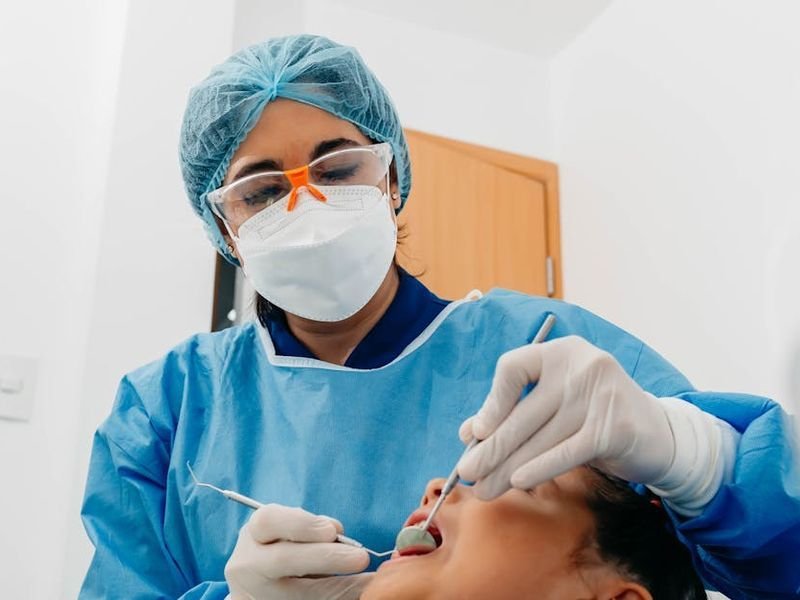
Far from the stereotype of outdated facilities, Cuenca’s dental clinics frequently feature up-to-date equipment: digital radiography, 3D cone-beam CT (CBCT) imaging, guided implant surgery, CAD/CAM systems, and in-house milling for same-day crowns. Clinics commonly use internationally recognized implant systems and high-quality ceramic materials for crowns and veneers. Sterilization and infection control standards are enforced, and many clinics offer international warranties and clear documentation. For retirees seeking advanced restorative work, these capabilities mean precision, predictability, and faster turnaround.
Short Wait Times and Streamlined Treatment Plans
Compared with long waits for specialist appointments in some countries, Cuenca offers fast access to treatment. Clinics often provide initial consultations and CBCT imaging within days, and surgical appointments can be scheduled quickly. For many implant protocols, patients can expect efficient planning and predictable timelines. Clinics that specialize in dental tourism are accustomed to coordinating staged visits — surgical placement, healing, and final prosthetics — to fit typical vacation schedules. If you prefer fewer visits, options like immediate-load implants and All-on-4 solutions are also available, reducing the number of trips required.
The Ideal Recovery Environment for Retirees
Recovery after major dental work is a key consideration. Cuenca’s mild “eternal spring” climate, clean mountain air (the city sits at about 2,560 meters / 8,400 feet), and abundant green spaces create a soothing setting for healing. After a procedure you can take gentle walks along the Tomebamba River, relax in Parque Calderón’s shaded plazas, or sit at a cafe on a cobblestone street — activities that support low-stress recovery. The city’s slower pace, good health services, and friendly expat community make it easy for retirees to rest and recuperate comfortably.
Combine Dental Care with a Memorable Vacation
Cuenca is a UNESCO World Heritage city with gorgeous colonial architecture, artisan markets, museums, and excellent dining. Many retirees plan dental trips as mini-vacations: schedule a surgical appointment, then spend the recovery days exploring the historic center, visiting the Museo Pumapungo, or taking day trips to Cajas National Park for gentle nature walks. The ability to pair dental care with cultural and outdoor activities turns a medical necessity into a rejuvenating experience — and the supportive environment helps patients heal both physically and emotionally.
Personalized, One-on-One Patient Care
One hallmark of Cuenca’s dental clinics is personalized attention. Dentists and staff often provide individualized consultations, thorough treatment planning, and direct surgeon follow-up, rather than passing patients between multiple departments. This continuity of care is especially valued by retirees: you’ll frequently meet the same dentist at consultation, surgery, and prosthetic stages, ensuring consistency and trust. Clinics catering to international patients often include English-speaking coordinators, teleconsultations before travel, and clear written treatment plans with timelines and guarantees.
Practical Itineraries: Planning Dental Implant Trips to Cuenca
Timing and logistics are simple to arrange, especially with clinics experienced in dental tourism. A common plan for implants might look like this:
- Pre-trip: Virtual consultation and CBCT review, treatment plan, and cost estimate.
- Visit 1 (7–10 days): Surgical implant placement, immediate post-op care, and initial comfort days in Cuenca.
- Healing (8–12 weeks typical; sometimes shorter for immediate-load protocols): Recuperate in Cuenca or return home with scheduled follow-up; many clinics arrange remote check-ins.
- Visit 2 (3–5 days): Final impressions, fitting of crowns or full prosthesis, and final adjustments.
Some clinics offer same-week solutions for select cases (e.g., single implants with CAD/CAM crowns or immediate-load systems), and retirees can often tailor the plan to their comfort and travel preferences.
Practical Tips for Retirees Considering Dental Work in Cuenca
Here are concrete, practical tips to make your dental vacation smooth and successful:
- Book an initial teleconsultation: Many clinics will review photos and CBCT scans before you travel and give a written estimate.
- Ask about implant brands and materials: Reputable clinics use internationally known implant systems and high-grade ceramics.
- Request a detailed treatment timeline and break down of costs, including lab fees, follow-ups, and potential additional visits.
- Plan realistic recovery time: Even with immediate-load options, minimize strenuous activity for at least 48–72 hours after surgery.
- Bring medical records and a list of medications: This streamlines assessment and improves safety.
- Confirm language support: Many practices have English-speaking coordinators or bilingual dentists to ease communication.
- Check travel and health insurance: Some international plans cover complications; otherwise, purchase short-term medical evacuation if you feel it’s necessary.
- Arrange comfortable accommodation near the clinic: Staying centrally reduces travel stress during follow-ups.
Safety, Standards and How to Choose the Right Clinic
Quality varies anywhere, so choose carefully. Look for reviews from other international patients, ask for before-and-after photos of similar cases, and verify the dentist’s training and certifications. Good clinics will be transparent about sterilization protocols, implant brands, and lab partners. Many also offer written warranties on prosthetics and will provide emergency contact numbers for after-hours issues. Visiting the clinic for an in-person tour during your initial consultation helps confirm cleanliness and professionalism.
How Retirees Stretch Retirement Dollars with Dental Tourism
The financial impact is profound. A retiree who replaces multiple failing teeth or invests in a full-mouth implant solution in Cuenca often finds the overall cost comparable to a small portion of what it would be at home. That affordability often unlocks dental options — fixed restorations rather than removable dentures — that dramatically improve quality of life, nutrition, and confidence. For many, the savings also free up funds to explore longer-term stays, language classes, or even consider the pensioner residency route in Ecuador.
Local Life, Comforts and Recovery Amenities
Cuenca is accustomed to international residents and visitors. English is commonly spoken in healthcare settings and in many restaurants, hotels, and expat services. Retirees will find a range of accommodation from boutique hotels and fully furnished apartments to long-term rental options. Pharmacies are well-stocked for common pain medications and antibiotics prescribed after dental surgery. If you need a follow-up or minor emergency care, private clinics and hospitals in the city provide accessible options without long waits.
Realistic Expectations and Long-Term Care
It’s important to set realistic expectations: complex dental rehabilitation can require multiple stages, and implants require good oral hygiene and periodic professional maintenance. Before committing, discuss long-term follow-up plans with your dentist — will you return for periodic check-ups, or can a local dental provider coordinate with your Cuenca clinic? Many retirees create a maintenance plan that combines care at home and scheduled returns to Cuenca for prosthetic maintenance or hygiene visits, maximizing both value and continuity.
Final Thoughts: Cuenca as a Dental Tourism Destination for Retirees
For retirees, Cuenca offers an extraordinary combination: dramatic cost savings (often 60–70%), skilled and experienced clinicians, modern dental technology, short wait times, and a beautiful, tranquil city perfect for recovery. The ability to pair necessary dental work with cultural exploration and gentle outdoor activities makes the experience more pleasant and less stressful. With the right planning—teleconsultations, clear treatment timelines, and a trusted clinic—many retirees find Cuenca to be the best place in the world for dental implants, crowns, and veneers: high-quality, affordable care in a recovery-friendly, culturally rich setting.
Next Steps
If you’re considering dental work in Cuenca, start with a virtual consultation and request case examples from clinics you’re interested in. Prepare questions about timelines, implant brands, warranties, and post-op care. With proper planning, your dental vacation to Cuenca can restore your smile, protect your retirement savings, and reward you with a memorable stay in one of South America’s most charming cities.