
Table of Contents
Why Cuenca Is the No.1 Destination for Dental Tourism
For retirees seeking excellent dental care without the financial stress of U.S. or Canadian prices, Cuenca, Ecuador is rapidly emerging as the top pick for dental implants, crowns and veneers. The city combines world-class dentistry with a beautiful, low-stress environment ideal for recovery — and it does all of this at costs that typically save patients 60–70% compared to the U.S. and Canada.
Huge Cost Savings — Real Numbers That Make a Difference
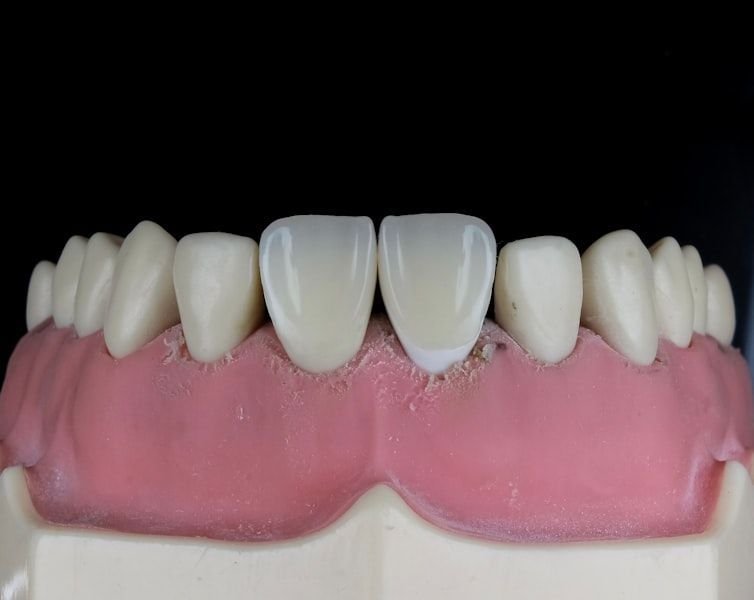
Cost is the most compelling reason many retirees choose dental tourism in Cuenca. To put it plainly: an implant that might cost $3,000–$6,000 in the U.S. frequently runs $900–$1,500 in Cuenca. Crowns that can be $900–$1,500 back home often cost $150–$350 here. Veneers, which may sell for $1,000–$2,500 per tooth in North America, are commonly priced at $250–$600 in Cuenca. Those savings add up quickly — enough to cover travel, a comfortable hotel, and still come out far ahead.
Top-Tier Dentists Trained Locally and Abroad
Cuenca’s dental professionals are highly trained, often graduating from Ecuador’s leading universities such as Universidad del Azuay and Universidad de Cuenca, or completing advanced training internationally in the U.S., Europe and other parts of Latin America. Many dentists maintain continuous education, participate in international conferences, and hold certifications in implantology, prosthodontics and cosmetic dentistry. You’re not trading quality for cost — you’re getting the best of both.
Specialization and Personalized Care
Smaller practices and boutique clinics in Cuenca often provide highly personalized, one-on-one care. Unlike impersonal chains or overbooked practices at home, many Cuenca dentists manage a smaller caseload, giving you more time and attention during consultations, procedures and follow-up. This personal touch is especially valuable for retirees who appreciate clear communication and attentive aftercare.
Modern Clinics and Cutting-Edge Technology
Dental clinics in Cuenca commonly use modern equipment: digital X-rays, 3D cone beam CT (CBCT) scans, CAD/CAM systems (for same-day crowns), surgical microscopes, and sterile, hospital-grade environments. Many clinics work with international implant systems like Straumann, Nobel Biocare and other reputable brands, and use zirconia and high-grade porcelain for crowns and veneers. The quality of materials and technology rivals major metropolitan centers.
Same-Day Solutions and Efficient Turnarounds
Thanks to in-house milling machines and local dental labs, clinics can offer same-day or expedited crowns and restorations in many cases. This shortens the number of visits and reduces overall travel days. For complex implant cases, many clinics coordinate local labs and schedules to minimize waiting time between surgical stages — a big advantage for travelers.
The Perfect Recovery Setting: Culture, Climate and Calm
Cuenca is UNESCO-listed for its preserved colonial center, tree-lined rivers, and accessible parks — an ideal place to recover. Located at about 2,560 meters (8,400 feet) in the southern Andes, Cuenca’s climate is famously mild year-round, averaging cool, spring-like temperatures. This gentle climate and slow pace of life support healing better than high-heat or noisy tourist hubs.
Activities That Aid Recovery
Recovery doesn’t mean boredom. Gentle walks along the Tomebamba River, restful afternoons in Parque Calderón, and easy day trips to Cajas National Park provide restorative activities without stressful exertion. Local cafes and markets make it easy to eat well while following any post-op dietary recommendations. For retirees who want a healthy, serene backdrop, Cuenca is hard to beat.
Combine Dental Work with a Vacation — The “Dental Vacation” Advantage
One of the most attractive aspects of dental tourism is the ability to combine medical care with travel. In Cuenca you can schedule a dental procedure in the morning and spend the afternoon exploring colonial streets, visiting craft markets, or enjoying a light cultural tour. Retirees can transform necessary dental work into a rejuvenating trip — less stress, new experiences, and far better value.
Sample Dental Vacation Itineraries
- Short trip (single implant or crown): 7–10 days — consultation, imaging and implant placement or crown prep, short recovery with follow-up.
- Two-stage implant (with graft): two trips — initial surgery and grafting, then a return trip 3–4 months later for implant placement or crown attachment. Many retirees use the interim months to enjoy extended stays or return home and come back for the final restoration.
- Full-arch or multiple implants: 10–21 days — depending on protocols and whether temporary immediate-load bridges are used, some clinics can provide a fixed temporary prosthesis while permanent work is fabricated.
Short Wait Times — Faster Access to Care
In contrast to long waitlists at many specialty practices in North America, Cuenca clinics typically offer short appointment windows. Many clinics can schedule initial consultations within days and coordinate surgical dates within a few weeks. For retirees on a flexible timeline, this speedy access is both convenient and reassuring.
Practical Tips for Planning Your Dental Trip to Cuenca
Planning a dental vacation takes a little homework. Here are practical tips that retirees will find useful when organizing dental work in Cuenca:
- Bring records: Bring recent dental X-rays, your dental history, and a list of medications to speed the diagnostic process.
- Ask about materials and brands: Confirm implant systems and crown materials; ask for brand names if you have preferences.
- Request a treatment plan and cost estimate: A detailed plan should include all fees (surgeon, prosthodontist, lab work, anesthesia, medications) and timelines for follow-ups.
- Verify credentials and reviews: Look for dentists with international training, before/after galleries, and patient testimonials. Many clinics share patient references and case studies.
- Plan lodging near the Historic Center: Staying near Parque Calderón or the Tomebamba River keeps you close to many clinics and makes post-procedure walks and errands easy.
- Consider travel insurance and dental warranties: Ask clinics about guarantees and whether they provide follow-up care or prosthetic warranties.
Communication and Language — English-Speaking Support
English is commonly spoken in Cuenca’s dental clinics, especially those that serve international patients. Many practices provide clinic coordinators or patient liaisons fluent in English to help coordinate appointments, travel logistics, and post-op instructions. This reduces anxiety for retirees who may not be fluent in Spanish.
Safety and Comfort for Retirees
Cuenca is one of Ecuador’s safest and most retiree-friendly cities. The healthcare infrastructure is strong, pharmacies are widely available, and clinics follow strict sterilization protocols. Many dentists offer sedation options for anxious patients and coordinate with local hospitals if specialized care is ever needed. For most retirees, the combination of safety, cleanliness, and attentive care makes Cuenca an ideal dental destination.
How to Maximize Value: Combining Local Care with Home Follow-up
One common strategy is to use Cuenca for major, cost-sensitive procedures (implants, full-mouth restorations) and follow up at home for routine maintenance. Many patients work with their home dentists to manage simpler checkups or minor adjustments after returning. Clinics in Cuenca often share detailed treatment records and digital files, making follow-up care seamless.
Real-World Examples of Savings and Satisfaction
Consider a retiree needing three implants and crowns. In the U.S., this could exceed $15,000–$20,000. In Cuenca, the same quality treatment — using reliable implant systems and high-quality crowns — often comes in under $6,000. That gap covers travel, hotel, guided local transport, and still leaves significant net savings. Beyond money, many patients report being thrilled with the attentive service, shorter treatment timelines, and the beauty of recovering in a colonial city.
Questions to Ask Before You Book
Before committing, make sure to ask potential clinics these essential questions:
- What specific implant brands do you use and why?
- Can you provide a complete written treatment plan and timeline?
- Do you have before-and-after photos of similar cases?
- What are the anesthesia and sedation options?
- How is follow-up care coordinated, and what warranties exist for work?
Final Thoughts — Why Cuenca Is a Retirement-Friendly Dental Destination
For retirees balancing budgets, health, and quality of life, Cuenca offers a rare trifecta: exceptional dental care, dramatic cost savings (commonly 60–70% or more), and a calm, restorative environment for recovery. Modern clinics staffed by highly trained dentists use advanced technology and international materials, while the city’s mild climate, walkable historic center, and excellent amenities make healing pleasant. Whether you need a single crown, several implants, or an entire smile makeover, Cuenca creates an unbeatable value proposition: world-class dentistry combined with the opportunity to turn necessary procedures into an enjoyable — even rejuvenating — travel experience.
Ready to Explore Your Options?
If you’re considering dental implants, crowns, or veneers, start by collecting your dental records and reaching out to a few clinics in Cuenca for consultations and quotes. Compare treatment plans, ask for timelines and warranties, and plan a comfortable stay near the historic center. With the right preparation, your dental vacation to Cuenca can deliver big savings, exceptional care, and a beautiful recovery backdrop — exactly why so many retirees are choosing Cuenca as their dental destination.